

Entrepreneur, Senior Leader & Ecosystem Builder with a degrees in Music, Psychology, Digital Mgmt & Transformation. Co-founder of the Music Factory and Earkick. Life-long learner with a deep passion for people, mental health and outdoor sports.

Sleep is often the most overlooked part of our wellness routine, but when it’s done right, it has a transformative effect on both our bodies and minds. Sleep and wellness are intricately connected, and by making small but significant changes to your habits, you can become a true sleep goddess — the best version of yourself.
Imagine feeling more energized, confident, and centered each day—yes, that’s possible with quality sleep! Here’s how to sleep like a goddess and wake up feeling ready to conquer the world.

What’s In It for You?
Before we dive into the tips, let’s talk about what better sleep can actually do for you. There are plenty of perks:
- Glowing Skin: Your skin repairs itself while you sleep, which is why a good night’s rest is often called “beauty sleep.” More collagen is produced during deep sleep, which helps your skin stay firm, elastic, and free from wrinkles. Sleep also reduces inflammation, which helps clear up acne and keeps your complexion glowing.
- Confidence and Assertiveness: Feeling groggy and exhausted makes it hard to be confident or assertive. On the flip side, a good night’s rest leaves you feeling sharp, capable, and ready to take on anything. Studies show that sleep-deprived individuals have a harder time making decisions and managing stress.
- Mental Clarity and Readiness: When you’re well-rested, your brain performs at its best. As a sleep goddess you’re more likely to focus, solve problems, and react calmly in stressful situations. Quality sleep primes your brain for clarity and mental readiness, which impacts everything from decision-making at work to being more present with your loved ones.
1. Own Your Sleep Goddess Status
Pressure to stay productive often leads us to sacrifice sleep. But when you shift your mindset and view sleep as something sacred, you unlock a new level of wellness. Owning your status as a sleep goddess means making sleep non-negotiable. It’s not just another task on your to-do list; it’s the foundation for your overall well-being.
Sleep affects everything from how you look to how you feel.
Prioritizing it is an act of self-love. When you embrace the idea that sleep is your superpower, it becomes easier to create a routine that works for you.
Why it matters: Science tells us that sleep is essential for physical recovery and cognitive function. During sleep, your brain consolidates memories, cleans out toxins, and balances hormones like cortisol, which is linked to stress. Prioritizing sleep means you’re giving your body and mind the chance to reset every night.
2. The Secret to Bedtime Bliss: Consistency is Key
Your body operates on a circadian rhythm, a 24-hour cycle that helps regulate when you feel awake and when you feel sleepy. One of the best ways to improve your sleep is by setting—and sticking to—a consistent bedtime. When you go to bed and wake up at the same time every day, your body knows exactly what to do. Over time, you’ll fall asleep faster and wake up feeling more refreshed.
Why it works: Your circadian rhythm is influenced by environmental cues like light, temperature, and, most importantly, routine. When your body gets used to a regular sleep schedule, it naturally produces melatonin—the sleep hormone—at the right time, helping you fall asleep easier. Inconsistent bedtimes can confuse your internal clock, making it harder to fall asleep and wake up on time.
Example: Think about how your body starts craving food at the same time each day if you eat meals consistently. Sleep works the same way. Set a consistent bedtime and watch how quickly your sleep goddess body adapts, making it easier to drift off into dreamland.
3. Prepare for Rest Like a Sleep Goddess
Having a wind-down ritual is crucial to transitioning from the hustle of the day to the calm of the night. Your body needs time to slow down, just like it revs up in the morning. A relaxing bedtime routine signals to your brain that it’s time to stop worrying, working, or stressing, and start resting.
This routine can be as simple or elaborate as you like. Light a candle, take a warm bath, do some gentle stretching, or listen to soothing music and relaxing soundscapes. The key is to avoid stimulating activities—especially anything involving screens. Studies have shown that the blue light emitted from phones and computers suppresses melatonin, making it harder for you to fall asleep.
Why it works: Cortisol, your body’s stress hormone, needs to decrease for melatonin to take over. When you engage in relaxing activities, your cortisol levels drop, helping you transition into sleep more easily. Deep breathing or mindfulness practices can also calm your nervous system, which is essential for quality sleep.
Example: Remember that time you spent an hour on your phone in bed, and then you couldn’t fall asleep for another two hours? Compare that to a night where you unwind with a hot cup of tea and a book. It’s clear which one leaves you feeling more at peace.
4. Early Dinner, Sweet Dreams: Timing Matters
What you eat, and when you eat it, has a direct impact on how well you sleep. Large, late meals can interfere with your sleep by making digestion harder while you’re lying down. When your body is busy processing food, it can’t fully relax into the deep sleep phases that are crucial for restoration. Eating earlier in the evening gives your body time to digest before you hit the pillow.
Why it works: Studies show that eating too close to bedtime can lead to disrupted sleep, often from acid reflux or indigestion. Additionally, late-night snacking, especially on foods high in sugar or fat, can spike blood sugar levels, causing restlessness during sleep. A balanced, earlier dinner helps your body stabilize its energy levels and promotes restful sleep.
Example: Think about the last time you had a heavy meal late at night. You probably woke up feeling bloated or sluggish – not like a sleep goddess. Now, imagine how much better you’ll sleep after an earlier, lighter meal that lets your body rest rather than work.
5. Caffeine and Alcohol Aren’t Your Friends After 3 PM
Both caffeine and alcohol have sneaky ways of sabotaging your sleep. While caffeine is an obvious stimulant that keeps your brain alert, alcohol might make you feel sleepy but actually disrupts your sleep cycles. Even if you don’t drink coffee after lunchtime, caffeine can stay in your system for up to eight hours, making it harder to fall into deep sleep later.
Why it works: Caffeine blocks adenosine, a chemical that builds up in your brain throughout the day and makes you feel sleepy. By preventing its effects, caffeine keeps you awake, even hours after your last sip. Alcohol, while initially sedating, prevents the deep REM sleep that restores your brain, leading to a night of lighter, more fragmented sleep.
Example: Remember that time you had a glass of wine to relax before bed, but ended up tossing and turning all night? Or when that 3 PM coffee kept you up way past your usual bedtime? These tempting stimulants may feel good in the moment, but they can seriously mess with your sleep quality.
6. Dim the Lights, Drift to Sleep: Control Your Sleep Goddess Environment
Our bodies are incredibly responsive to light, especially in the evenings. Light—particularly the blue light from screens—tricks your brain into thinking it’s still daytime, delaying the production of melatonin, which helps you fall asleep. That’s why creating a dim, relaxing environment before bed is so crucial for good sleep hygiene.
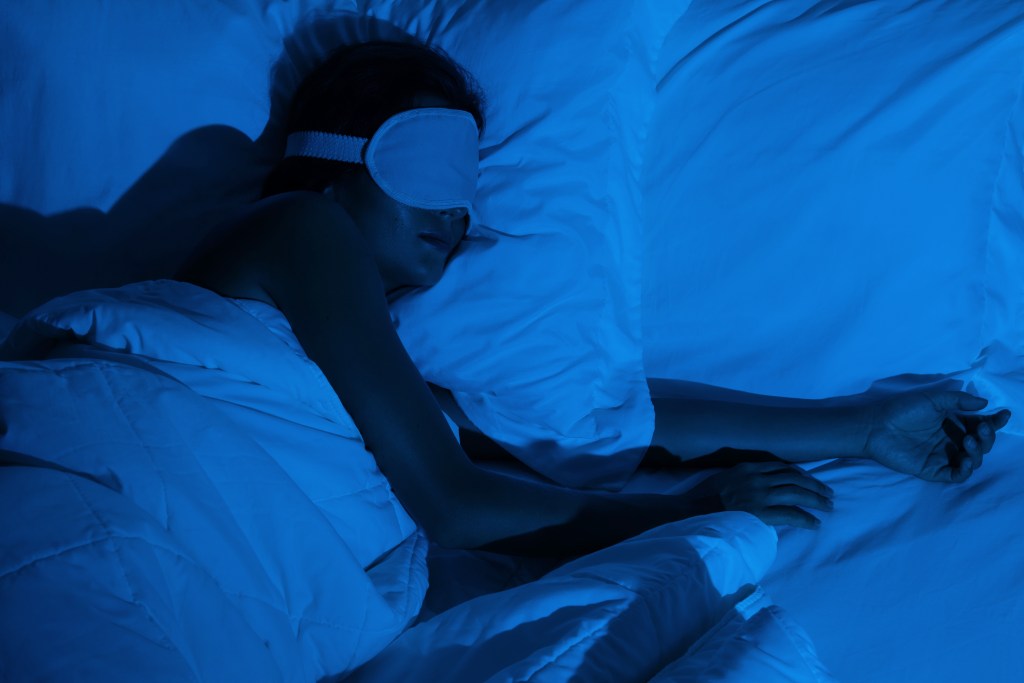
Why it works: Darkness prompts the pineal gland in your brain to produce melatonin, signaling that it’s time to wind down and go to sleep. Conversely, bright light inhibits melatonin production, making it harder to fall asleep. The key is to reduce your exposure to artificial light in the hour or so before bed. You can also use blackout curtains to ensure your room stays dark throughout the night.
Example: You’ve probably noticed how easy it is to fall asleep after a quiet evening in dim lighting, compared to the nights you stayed glued to your screens. Your brain reacts to light cues more than you think. Reducing exposure to bright light before bed can help you drift off faster and stay asleep longer.
7. Find Your Perfect Sleep Temperature: Cool, Calm, and Cozy
Your body temperature naturally drops as you get closer to bedtime, signaling to your brain that it’s time for sleep. Sleeping in a room that’s too hot or too cold can prevent you from entering deeper sleep stages, leading to restless nights. Experts recommend keeping your room cool, ideally between 60-67°F (15-19°C), to optimize sleep.
Why it works: The process of falling asleep and staying asleep is closely tied to thermoregulation—how your body controls its internal temperature. A cooler environment helps your body conserve energy and promotes deeper, more restful sleep. If your room is too warm, you might wake up sweaty and uncomfortable, which disrupts your sleep cycle.
Example: Think about that one night when the room was just the right temperature—cool enough for a cozy blanket but not freezing—and how deep and peaceful your sleep was. Setting the right temperature is one of the easiest ways to improve your sleep quality instantly.
8. Create a Sleep Sanctuary: Make Your Bedroom Your Oasis
Your bedroom should be a place of calm, relaxation, and peace—a true sleep sanctuary. When you start associating your bedroom with rest and relaxation only, your brain gets the message: when you’re in this space, it’s time to sleep. That means no work, no scrolling through social media, and no TV marathons in bed.
Creating an environment conducive to sleep involves a few key elements. First, invest in a comfortable mattress and high-quality bedding. Second, ensure your bedroom is quiet, cool, and dark. Blackout curtains, a white noise machine, or even earplugs can make a big difference. Decluttering your space also helps—keeping your bedroom clean and minimalist can lead to better rest, as your brain won’t associate the room with stress or chaos.
Why it works: The environment you sleep in affects the quality of your sleep. Research shows that a clean, serene environment helps you fall asleep faster and stay asleep longer. When your bedroom is reserved strictly for rest, your brain learns to associate it with sleep, making it easier to switch off when your head hits the pillow.
Example: Imagine stepping into a hotel room after a long day—clean sheets, calming lighting, and a sense of tranquility wash over you. Now, picture recreating that hotel feeling in your own bedroom. By eliminating distractions and focusing on comfort, your room becomes the ultimate haven for rest.
9. Morning Light: Your Natural Wake-Up Call
Just as dim lighting signals your body to wind down in the evening, morning light acts as a natural cue to wake up and start your day. Exposure to sunlight in the morning helps regulate your body’s internal clock, known as the circadian rhythm. This rhythm dictates when you feel sleepy and when you feel awake, and it’s heavily influenced by light.
Getting outside or near a window within an hour of waking up helps set your sleep-wake cycle. If natural light isn’t an option, consider investing in a light therapy lamp that mimics sunlight. Morning light exposure boosts serotonin levels, which not only improves mood but also helps convert to melatonin later in the evening, ensuring you’re ready for bed when night falls.
Combine it with any kind of exercise and you double your benefits!
Why it works: Light is one of the most powerful environmental factors in regulating sleep. Studies show that morning light exposure helps people fall asleep faster, sleep more deeply, and wake up more refreshed. Morning sunlight also helps align your body’s rhythms with the day, making it easier to be alert when you need to be and sleepy at the right time.
Example: Think about how refreshed and awake you feel after stepping outside on a sunny morning, compared to a sluggish day spent indoors. Simply letting the sun in through your windows while you enjoy breakfast can make all the difference for your energy levels and mood.
10. Keep Track of Your Progress: Knowledge is Power
Ever feel like you’re doing everything right but still struggling to get the quality sleep you need? Tracking both your sleep, mood and anxiety can help pinpoint what’s working and what’s not. By monitoring not just how long you sleep, but how much time you spend in different stages—like light, deep, and REM sleep—you can also get a clearer picture of how these patterns are connected to your mood and overall mental health.
Tracking your sleep and wellness doesn’t have to be complicated. You can easily use an app that syncs with your phone or fitness tracker, gathering data on your sleep habits, mood, and even stress levels. This comprehensive approach helps you see the connections between your daytime activities—like your caffeine intake, exercise, or stressors—and your sleep quality at night.
Why it works: When you have real-time data on both your sleep and mental health, it gives you a clear picture of what’s helping or hindering your rest. Armed with this insight, you can make targeted adjustments to your routine, leading to better sleep and improved mental clarity during the day.
Example: Imagine tracking your sleep for a week and discovering that your stress levels spike on days with heavy workloads, causing poor sleep. Or you notice that when you meditate before bed, your REM sleep increases. This information empowers you to make smarter, personalized choices for better rest and mental wellness.
11. The Power of Scents: Aromatherapy for Deep Sleep
Your sense of smell can play a surprisingly powerful role in your sleep routine. Certain scents, like lavender, chamomile, and sandalwood, are known to promote relaxation and help you drift off faster. Incorporating aromatherapy into your nighttime ritual is a simple yet effective way to signal to your brain that it’s time to relax. Whether it’s through essential oils, a soothing pillow spray, or a scented candle (blown out before bed, of course), creating a calming atmosphere with scent can enhance your overall sleep experience.
Why it works: Studies show that aromatherapy can reduce anxiety, lower heart rate, and improve sleep quality. Scents like lavender have been shown to increase the amount of time spent in deep sleep, the most restorative stage of the sleep cycle. This added sensory element helps your body associate certain smells with relaxation and sleep, creating a deeper connection between your environment and rest.
Example: Think about how a whiff of your favorite perfume instantly puts you in a good mood. Now, imagine creating that same mood shift in your bedroom with relaxing, sleep-inducing scents. It’s a gentle yet powerful way to bring even more calm to your sleep routine.
Weave these easy, impactful changes into your nightly routine, and you’ll start to prioritize sleep—and yourself—in ways that transform your entire life. Becoming a sleep goddess isn’t about striving for perfection; it’s about embracing small, intentional habits that make rest sacred and non-negotiable. Picture waking up with radiant skin, renewed energy, sharper focus, and a confidence that only comes from feeling truly rested. Trust the process of becoming a sleep goddess, and let sleep be your ultimate secret weapon for showing up as the healthiest version of yourself, every single day.
Now stop scrolling and start your journey of sleep goddess!
