
Digital Transformation: A Double-Edged Sword for Teens
The wave of digital transformation has undeniably changed lives for the better, making it easier to access information and connect with one another. However, the constant connectivity brought about by widespread internet use can also have negative repercussions, especially among young individuals in the crucial stage of growth and development.
Have a look at the 2025 screen time statistics for a deep dive.
The Anxiety Effect: Screen Time and Teen Well-being
Pew Research Center reports that increased screen time can create feelings of anxiety among teens, with 44% of the youth respondents sharing that they feel anxious without their phones. With 95% of teens having access to smartphones and social media, 38% say that they spend too much time on their phones, which is more than those who say that they don’t spend enough time with these technologies.
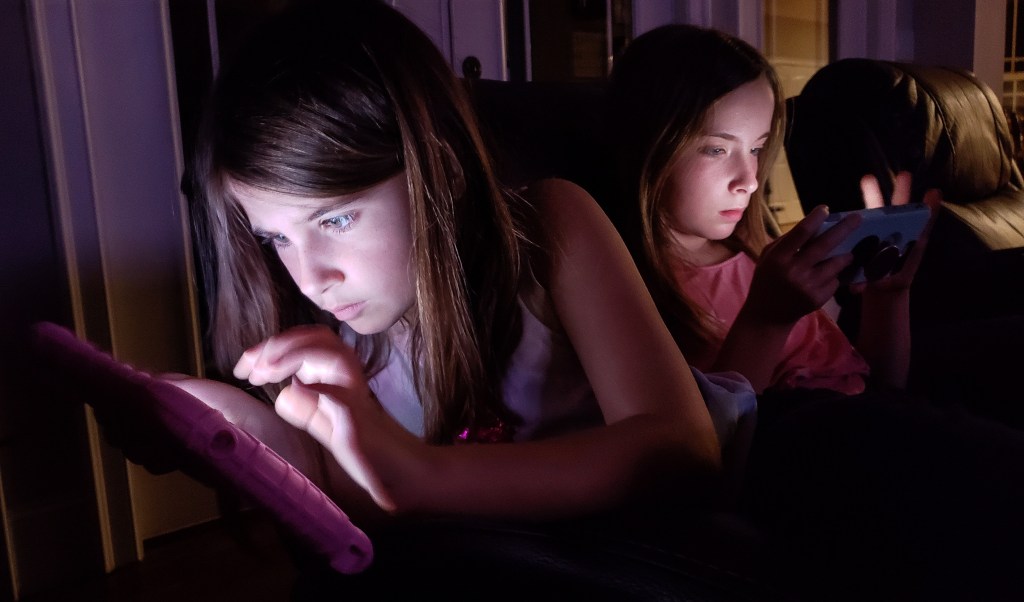
Since digitally-driven anxiety can have significant effects on your mental health and overall development, it’s worth looking at the social and psychological impact of increased screen time. Doing so can help you understand which strategies can help minimize this anxiety and create a healthier relationship with digital technologies.
The Bigger Picture: Long-Term Impacts of Digital Exposure
Parents have always been worried about the long-term ramifications of exposure to technology. A 2024 survey by Internet Matters found that up to 63% of parents worry that being online hurts their children’s health. Similarly, a study in 2020 shared on Big Think revealed that most parents think the way technology impacts children makes parenting harder.
Unfortunately, these concerns appear to be well-founded. In the same poll by the Pew Research Center, a large percentage (42%) of teens say smartphones can have a more negative than positive impact on their social skills. This is in spite of the fact that they think the benefits of smartphones outweigh the disadvantages for people their age in other aspects.
Challenges in Socialization: The Cost of Indirect Communication
The difficulty of learning social skills in this digital age can be attributed to the trend of indirect communication. When you only communicate with your peers online via text messaging and social media, you miss out on experimenting with critical social skills like body language, facial expressions, and vocal reactions. As such, it can create feelings of anxiety and helplessness during in-person interactions.
At the same time, indirect communication mediated by smartphones and social media can also negatively affect young people like you psychologically. Since interactions are far more removed, it has become easier to be exposed to hate-based content like cyberbullying. Research reveals that, in general, 1 in 4 middle and high school students will be exposed to some form of cyberbullying in a 30-day window.
If you or someone you know is affected by bullying, check out these strategies to protect your mental wellbeing and stand your ground.
Coping Mechanisms: Reducing Anxiety in the Digital Age
Higher levels of social media use can also make you prone to comparing yourself with your peers and developing sleep issues, depression and anxiety, low self-esteem, and poor body image. As noted in publications like The Guardian, health experts discovered that the more children are online, the more likely they are to experience issues like self-harm and body dysmorphia.
Having said all this, reducing screen time is the most popular intervention for these concerns. However, given how many of your activities (from education to socialization) are done online, it’s hard to really make drastic screen time reductions. As such, the following section outlines helpful ways to reduce anxiety associated with increased screen time and social media use, helping you foster more meaningful connections with yourself and others.
Strategies for reducing anxiety and overall screen time
#1 Minimize Blue Light Exposure
While the social and psychological effects of screen time have already been established, research also suggests that blue light exposure can also influence young individuals’ sleep, mood, and overall well-being. As digital screens emit blue light, this mental health study explains that this wavelength can impair the body’s ability to regulate sleep cycles. Not getting enough sleep can result in cognitive dysfunction that can heighten feelings of restlessness, anxiety, and an inability to solve problems.
#2 Practice Mindfulness and Meditation
Aside from the practical approach of anxiety reduction through protective eyewear, you can also relieve stress and anxiety through mindfulness and meditation. A notable example is yoga, where the combination of physical postures, controlled breathing, and meditative exercises can help you tap into the body-mind connection. Additionally, you can learn mindfulness through a mental health AI chatbot that offer breathing exercises, mindfulness sessions and soundscapes that help you meditate, sleep, and relax.
If you’d prefer something that you likely already have, YouTube also has several ASMR channels that offer their videos for free.
Instead of solely using your phone to mindlessly scroll through social media, you can instead devote a few minutes of your time to mindfulness sessions. Even a 1-minute breathing exercise can make all the difference when you feel stress or anxiety creeping up on you.
#3 Start an Anxiety Journal
Lastly, it helps to find an avenue to let out your fears and anxieties and provide clarity to your mind amid chaos. Start an anxiety journal, in which you can foster a personal space to reflect on your thoughts and feelings, create a personalized coping strategy, and cultivate mental health and self-compassion.
While some people may feel like a digital journal is more accessible, don’t be afraid to invest in a physical one. Putting your thoughts on paper can be cathartic and serve as a safe space away from the business of the Internet. Journaling really works and millions of people use it daily, including celebrities, artists and musicians. You don’t even need to just use words. If you feel like it, you can get creative with your journal and add in doodles, collages, and anything else that will express how your thoughts and emotions.
As you develop daily journaling habits, you can track your progress toward self-confidence and personal growth with the help of a personal AI companion for mental health. It not only tracks your mental wellbeing in real time but also interacts with you anytime you need support, motivation, kudos or a nudge to go offline.
Now stop scrolling and start cutting your screen time!
