

Entrepreneur, Senior Leader & Ecosystem Builder with a degrees in Music, Psychology, Digital Mgmt & Transformation. Co-founder of the Music Factory and Earkick. Life-long learner with a deep passion for people, mental health and outdoor sports.

Exercise is not just about physical health; it’s a powerful tool for boosting mood, enhancing memory, and improving focus. Here are ten surprising facts about how exercise benefits your brain and overall well-being.
#1 How Exercise Boosts Mood: More Than Just Endorphins
For years, the belief was that the euphoria felt after exercise came solely from endorphins. However, a more complex mix of “feel-good” chemicals is at play. This bubble bath of neurochemicals you plunge into when you engage in physical activity includes:
- Endocannabinoids: Give you a blissful, relaxed feeling.
- Dopamine: Creates a sense of reward and motivates you to keep exercising.
- Noradrenaline: Increases alertness and arousal, preparing your body for action.
- Serotonin: Helps you stay calm and focused.
- Oxytocin: Increases feelings of social connection.
Together, these chemicals make exercise a potent mood booster. Every time you move your body, this cascade of neurochemicals is released, promoting well-being and mental sharpness. These chemicals not only make you feel good, but they also reduce stress and elevate your mood, acting as natural mood enhancers to alleviate feelings of anxiety and depression.
#2 How Exercise Boosts Mood: Meet Your “Hope Molecules”
One of the most interesting discoveries in health research over the past decade is the role of “hope molecules.” When you exercise, your muscles contract and release chemicals into your bloodstream called myokines. These small proteins travel to your brain, cross the blood-brain barrier, and act as natural antidepressants. They help improve your mood, enhance your ability to learn, boost your movement capacity, and protect your brain from the negative effects of aging.
This process, known as “muscle-brain cross-talk,” shows how closely connected our physical activity is to our mental well-being. Besides making you feel happier, myokines also improve metabolism, reduce inflammation, and increase muscle strength. Combined with other mood-enhancing chemicals, myokines help explain how exercise boosts mood so effectively.
Watch more about this in this video:
#3 How Exercise Boosts Mood: Beyond A Momentary High
The immediate boost in mood can also lead to a more positive outlook on daily tasks and challenges, making you more resilient to stress. Even a simple walk can make you feel significantly better compared to sitting for long hours, as physical activity encourages mental readiness, clarity and a sense of accomplishment.
Imagine you’ve been sitting at your desk all day working on a project. You’re feeling tired and a bit overwhelmed. Taking a 10-minute walk around your neighborhood can make a big difference. The movement not only breaks up the monotony of sitting but also gives you a mental refresh.
You’ll come back feeling clearer, more focused, and ready to tackle your tasks with a better mindset. This simple activity can rejuvenate your body and mind, making you feel more accomplished and less stressed.
Maybe you find it difficult to remember taking that walk or you just can’t motivate yourself to do it, there are fantastic tools you can use to support you. Use a smart habit or mood tracker that sends you gentle nudges, check out personal AI chatbots that motivates you and keeps you engaged. The Earkick panda, for example, can be customized to the dot. It can be your running coach, your walking mentor, your mental health companion – just anything that helps you get going.

#4 How Exercise Boosts Mood: Walking Is Your Superpower
No, you don’t need to train for a marathon! Just incorporating more walking into your daily routine can make a significant difference. Moving around your house counts, too!
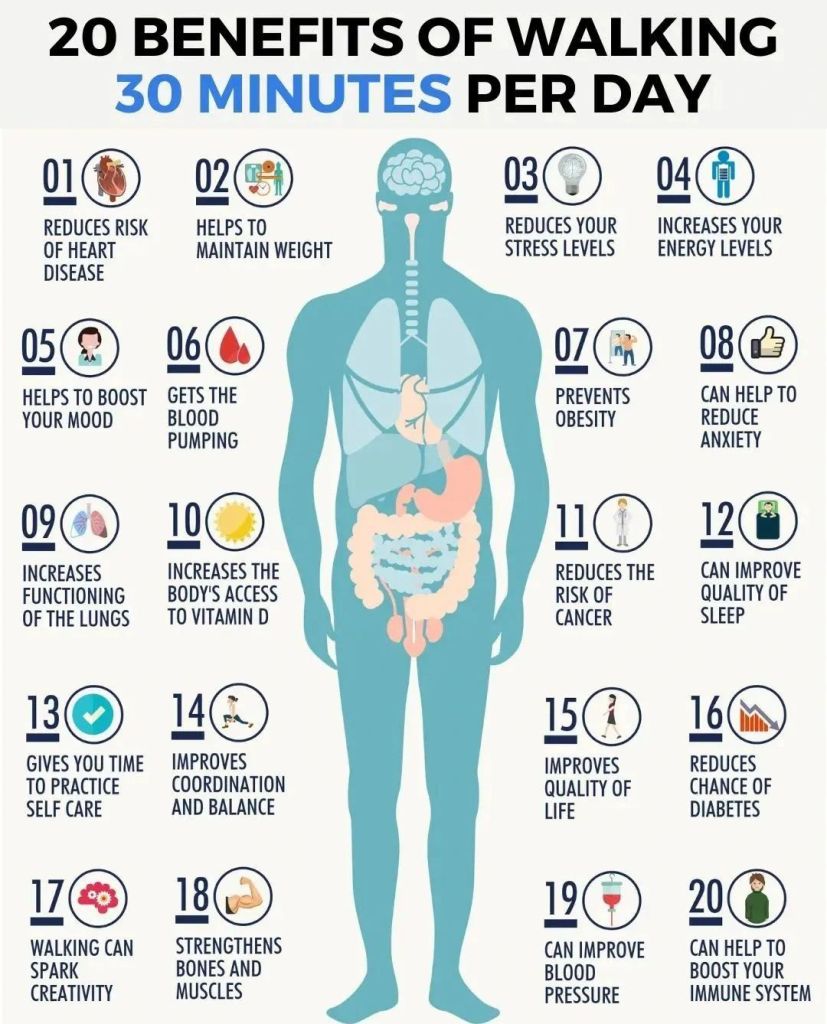
- Walking is accessible to everyone and doesn’t require special equipment or outfits. To walk is to be human!
- Regular walking improves your brain plasticity, especially in the prefrontal cortex, which is crucial for decision-making and attention shifting. The prefrontal cortex is responsible for executive functions such as planning, organizing, and multitasking, which are essential for productivity.
- Walking can serve as a form of active meditation, allowing your mind to wander and process thoughts more freely, leading to creative insights and solutions.
- Walking offers a convenient way to integrate physical activity into your daily life without the need for a gym membership or specialized training. It can be easily incorporated into routines, such as walking to work, taking the stairs, or having walking meetings.
- Walking outdoors has added benefits, as exposure to nature has been shown to reduce stress levels and improve overall well-being. The rhythmic nature of walking can also have a calming effect, helping to regulate breathing and reduce anxiety.
Try making walking a regular part of your routine, so you can reap both the immediate mood-boosting benefits and the long-term cognitive enhancements.
Watch more about the benefits of walking in this video:
#5 How Exercise Boosts Mood: Aerobic Activity
Research consistently shows that aerobic activity, which raises your heart rate, is the most beneficial for brain health. Activities like power walking, soccer, or any exercise that gets your heart pumping are effective. The key is getting your heart rate up, which maximizes the release of growth factors, leading to new brain cell growth in the hippocampus. These growth factors are essential for maintaining neural health and promoting neuroplasticity, the brain’s ability to adapt and reorganize itself.
Aerobic exercise also improves cardiovascular health, which is closely linked to brain health, as a strong heart ensures better blood flow and oxygen supply to the brain. This increased blood flow can enhance cognitive functions such as mental readiness, memory, attention, and processing speed.
In addition to cognitive benefits, aerobic activity has a profound impact on emotional well-being. Regular aerobic exercise has been shown to reduce symptoms of anxiety and depression by regulating the levels of stress hormones in the body. It also promotes better sleep, which is crucial for mental health and cognitive function. If you’re looking for ways to track your mood and progress while building healthy habits, our free AI chat bot can provide support, helping you stay motivated.
Engaging in aerobic activities can create a positive feedback loop, where improved mood and mental clarity make it easier to maintain a consistent exercise routine. This consistency further enhances the benefits, leading to a sustained improvement in overall well-being. By incorporating aerobic exercise into your routine, you not only boost your brain’s health but also create a foundation for long-term emotional resilience and productivity.
#6 How Exercise Boosts Mood: How Much is Enough?
Studies show that even moderate amounts of aerobic exercise can lead to significant improvements in mood, memory, and attention. For those who are not regularly active, starting with 45 minutes of aerobic activity two to three times a week can yield noticeable cognitive benefits. This frequency is sufficient to stimulate the release of neurochemicals and growth factors that enhance brain function.
As your fitness level improves, you can gradually increase the intensity and duration of your workouts to continue experiencing benefits. For those already active, increasing the frequency and intensity of exercise can lead to further brain enhancements. Research indicates that the brain continues to respond positively to increased levels of physical activity, showing improvements in areas such as hippocampal volume and prefrontal cortex function.
The key is to find an exercise routine that is enjoyable and sustainable, as consistency is crucial for long-term benefits. Experiment with different types of aerobic activities to discover what you enjoy most, whether it’s running, cycling, swimming, or group fitness classes.
The social aspect of group exercises can also provide additional motivation and support, making it easier to stick with your routine. It’s important to listen to your body and avoid overexertion, as rest and recovery are essential components of a balanced exercise regimen. Finding the right balance allows you to maximize the cognitive and emotional benefits of aerobic exercise, leading to a healthier, more productive life.
#7 How Exercise Boosts Mood: Practical Tips
Incorporate small changes like waking up 30 minutes earlier for a walk or joining a neighbor for a dog walk. These activities are not obligations but opportunities for self-care that directly benefit your brain. Making time for physical activity doesn’t have to be a daunting task; small, consistent changes can have a profound impact.
#8 How Exercise Boosts Mood: Feeling Worn Out Instead Of High?
If you’re tired of hearing about how exercise makes everyone else feel amazing while you’re left feeling worn out, you’re not alone. Exercise can feel like a chore, and watching others come back from the gym or a run radiating happiness can be frustrating when you don’t experience the same effects.
It can make you wonder if something is wrong with you, but rest assured, it’s completely normal.
Not everyone feels an immediate rush of euphoria after working out, and that’s okay.
There’s a lot more to exercise than just the instant mood boost, and understanding your body’s unique response can help you find a way to make it more enjoyable.
#9 How Exercise Boosts Mood: Mission Possible
Even if you find that exercise doesn’t always leave you feeling as euphoric as others seem to feel, you can still maximize the positive effects on your body and mind. Here are some tips to help you turbocharge your exercising efforts:
- Push Through the First 30 Minutes: The first 20 to 30 minutes of exercise can often feel challenging, regardless of your fitness level. This is because it takes a bit of time for the mood-enhancing chemicals to kick in. Stay with it, and soon enough, you’ll start feeling that “persistence high” as your brain gets flooded with endocannabinoids. Aim for at least 30 minutes of moderate exercise, where you can still carry on a conversation without getting out of breath.
- Commit for Three Weeks: Just as muscles need time to build, your brain needs time to develop a strong reward system from regular exercise. If you haven’t been active for a while, it can take about three weeks of consistent workouts to start feeling the benefits. Don’t get discouraged if it takes a bit longer; everyone’s body reacts differently. Keep at it, and soon you’ll find yourself looking forward to that feel-good rush.
- Exercise with Friends: Working out with others can double the mood-lifting effects. You benefit from the exercise itself and get an extra boost of oxytocin from the social interaction. Whether it’s joining a dance class, going for a group run, or having a workout buddy, being active with friends can make the experience more enjoyable and rewarding.
- Try Different Types of Exercise: Various forms of exercise release different combinations of mood-enhancing chemicals. While aerobic activities like running or cycling are great for that natural high, resistance training and mindfulness practices like yoga also offer unique benefits. Mixing up your routine keeps it interesting and helps you find what you enjoy most. Track how each type of exercise makes you feel, and switch things up to keep your routine fresh and fun.
For instance, if you’re juggling work and personal life, start your day with some body movement. This can be a morning jog, joining a dance class with friends on weekends, or relaxing with evening yoga. Trying different activities helps you discover what you love, providing varied benefits that enhance your mood and reduce stress.
#10 How Exercise Boosts Mood: Every Drop Of Sweat Counts!
If you’ve made it this far, you’re already on the right track. You know why and how exercise boosts mood, memory, and focus. Think of it like this:
Your brain is just waiting for you to get moving so it can shower you with all those feel-good chemicals.
Remember, it doesn’t have to be anything crazy. Start with a walk, try out a fun dance class, or grab a colleague for a workout session. The key is to find what makes you happy and stick with it.
It’s not about perfection; it’s about consistency and having fun along the way.
So, the next time you’re feeling stressed, overwhelmed, or just a little blah, get moving. Your future self will thank you. Here’s to a happier, healthier, and more focused you.
Now stop scrolling and go move your body!
