

Entrepreneur, Senior Leader & Ecosystem Builder with a degrees in Music, Psychology, Digital Mgmt & Transformation. Co-founder of the Music Factory and Earkick. Life-long learner with a deep passion for people, mental health and outdoor sports.

You wake up feeling the pressure before your feet even hit the floor. No, there’s no imminent crisis and nothing technically wrong. Yet your chest feels tight and your brain’s already overloaded. Ok, maybe it’s the unread messages or that one conversation you’re dreading. Or is it the noise of life that never seems to stop? Why does your AI companion Earkick mention dance? Why dance it out?
Why Try To Dance It Out?
Anxiety, fear, worry, stress, overwhelm; they’ve long become a global phenomenon quietly shaping millions of lives, including yours. And yet, the gap between who needs support and who actually gets it is still massive.
Maybe you’ve tried the usual options: therapy that felt clinical, or mindfulness apps that lasted five minutes before you deleted them. Or perhaps you haven’t tried anything at all because the idea of talking about your feelings out loud makes you want to disappear into your hoodie.
We’re all doing the best we can in a world that often asks for too much and offers too little. That’s exactly why we need support systems that are easy, fun, and don’t feel like treatment. Something that fits your life, not the other way around.
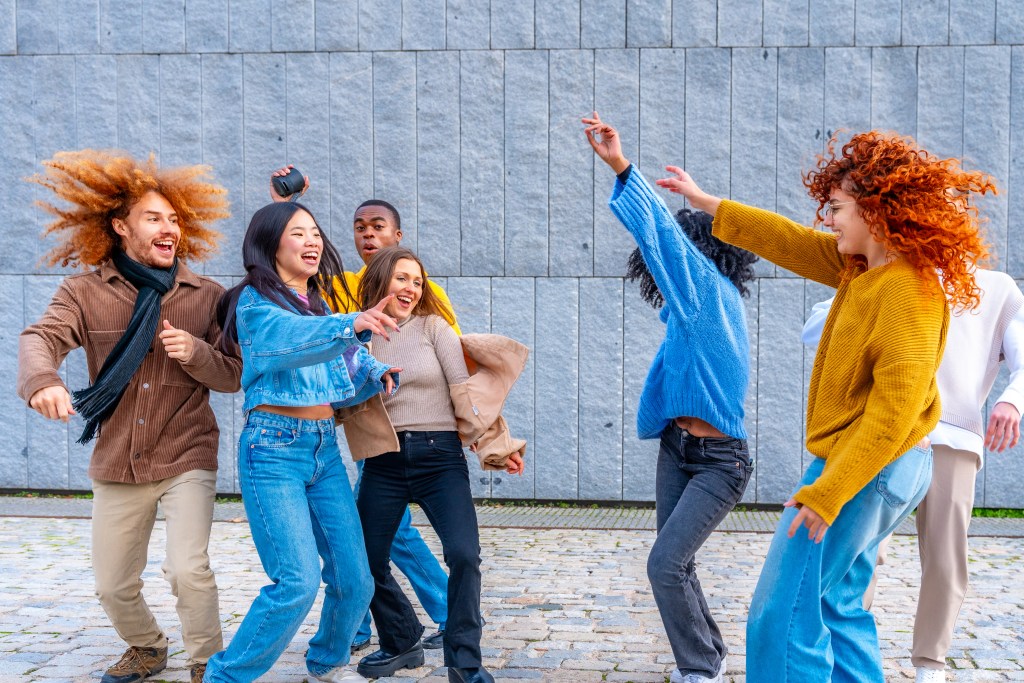
Now imagine this: you’re in a public park, music starts playing, and people begin dancing. Just moving, freely, sometimes hesitant or even a bit awkward. There’s no performance anxiety or pressure to impress.
That’s where dance comes in. Nothing like the ballet you dropped at age 9 or the TikTok trends you’re tired of. We mean movement that shakes off your stress, loosens your mental knots, and gives your nervous system a reset.
This is where the story gets good.
How Dance Hits Different Than a Treadmill
You’ve heard it a million times, and you know exercise helps. Moving boosts mood, reduces stress, and anxiety.
But some days, the gym feels like another task.
The weights look heavy, and your playlist isn’t quite powerful enough to drag you out of your own head. Not today.
Dance is movement, yes, but it’s also music. Rhythm, connection, letting go, bounce, and be a little crazy. It’s the only kind of workout where smiling is not just allowed, it happens without you noticing.
Instead of doing reps, you’re in a groove.
Dance sneaks into the emotional parts of you. It invites your inner six-year-old to come out and play. It lets you feel strong and silly at the same time. And if you’re dancing with others, even strangers, something shifts. You stop feeling like a separate human trying to survive the day and become part of something. Some scientists call it belonging.
That “something” is actually wired into you. Moving in sync with other people has been part of human culture for thousands of years. It regulates your breathing and softens your stress responses. But most importantly, it reminds your body that you’re safe.
The 26 Mental Health Superpowers of Dance
No, don’t try to memorize all these goodies. This list isn’t homework. Think of it as a buffet of brain-boosts. Grab what looks good, skip what doesn’t, and let your nervous system do the happy dance. It’s plenty if you walk away with three new ideas on how to integrate dancing into your life.
Your Brain On Dance
1. Your brain loves it when you boogie
Dancing lights up the same reward circuits that fire when you eat chocolate or fall in love. It’s the biological equivalent of high-fiving yourself from the inside.
2. Anxiety doesn’t like music with movement
Your body holds anxiety like static electricity. Dance? It’s the lightning rod. Especially when you do it regularly. Your nervous system starts to recognize, “oh, this is safety. This is joy.” This allows your system to rewire while anxiety quietly slips out the back door.
3. Instant chemistry change (yes, really)
Dancing in sync with others can actually raise your pain threshold. Translation: it’s more than a mood boost, it’s a mini endorphin party. And you don’t even need glowsticks.
4. The anxiety-dissolving magic of flow
If you ever lost track of time while dancing, you know flow. It’s where overthinking melts and presence kicks in. Your self-consciousness makes way for an unfiltered you.
Mental Push-Ups
5. Less scrolling brain, more focused brain
Dancing keeps your attention moving with your body. That doom-scrolling in your head gets a sudden break when you start syncing with sound, space, and sensation.
6. Memory gets a rhythm upgrade
Studies show dancers remember better. Ok, may not work for your keys, but definitely choreography, spatial cues, and timing. Great news if your brain’s been stuck in “fog mode.”
The (Actual) Science of Feeling Connected
7. Fastest way to make a friend? Dance next to them
If small talk isn’t yours, just move in rhythm. That’s enough to bond. Humans are wired to trust others more after moving together, even if it’s just awkward bopping.
8. Belonging in motion
When you join a dance group, you stop being just “someone with anxiety” or “someone who’s struggling.” You become part of us. And that alone can change your whole mental weather.
9. Community without the cringe
Unlike forced team-building games, dance doesn’t ask you to share your childhood trauma. It builds connection through vibe and movement.
Identity Work You Can’t Do in Therapy Alone
10. Finally like your body
Dancing in a safe space shifts the script from “How do I look?” to “What can I feel?” That can take years of shame off your shoulders.
11. Express stuff you don’t even have words for
You don’t need to “explain your feelings” when your body already knows how to move them out of you. Dance can be like therapy without the talking.
12. It secretly trains your social confidence
Showing up, moving in public, not dying of embarrassment? That can be low-key exposure therapy, even if you don’t identify as having social anxiety. Do it often enough, and parties, meetings, and dates suddenly become less terrifying.
Emotional Regulation, But With Fun
13. Movement teaches your body what calm feels like
Your stress response is in your breath, your jaw, your gut, not just in your head. Dance helps your body practice calm, rather than just talking about it.
14. Better than sitting still and “being mindful”
Mindfulness can be stillness, but doesn’t have to be. Dancing mindfully with awareness and curiosity is just as effective. For many people, it is way less boring.
Why You’ll Actually Stick With Dancing
15. Ease from should to want
Unlike workouts you may dread, dancing can become something you crave. Get it to feed your need for freedom, fun, a little friendly chaos, and you’re half-way there.
16. Music = instant motivation hack
Your brain associates music with reward. So dancing goes beyond movement: it’s pleasure, pattern, and dopamine all bundled into one. Identify with the songs and the songwriter, even better.
Not Just for Dance People
17. Think upgrade, not replacement
Dance won’t replace your therapist or your meds, but it will help make both work better. Like charging the battery that powers the rest of your healing.
18. Teens actually stick with it
Did you know that school-based dance programs (twice a week!) helped anxious teens lower stress and feel healthier? They did not have to work through therapy worksheets to get the effects.
19. Chronic illness? You’re not excluded
People with Parkinson’s, cancer, and long-term conditions have used dance to reconnect with joy, coordination, and quality of life. Dancing does not require a perfect body or health.
Come As You Are (Literally)
20. No need to be “good at dancing”
With your permission to not care how it looks, there’s no level to unlock here. Mirrors? No thanks. Whether by yourself or with others, if everyone focuses on simply moving, there’s no headspace for judgment.
21. Social without the shots
Who says dancing needs booze, a stage, and disco lights? Try sober, outdoor, daylight dancing and experience why it is one of the most underrated mood boosters on Earth. How about skipping expensive drinks, flirting pressure, and a headache the next day?
By now, you might be wondering:
Does this actually happen in real life? Do people really just show up, dance without rules, and walk away feeling better?
They do. And it’s a growing movement.
Dork Dancing For Mental Health: A Case Study
In 2020, on the streets of Da Nang, Vietnam, something beautiful began. It’s called Dork Dancing, and since then, over 1,000 events have taken place across parks, sidewalks, and digital screens around the world.
This goes way beyond dancing like nobody’s watching. Watch what happens when someone is watching, and you may stop caring about what others think.
Interviews with long-term Dork Dancing participants surfaced four clear transformations that kept showing up:
- They found belonging: As that “I don’t fit anywhere” feeling softened, the group became a safety net. Some even called it a “little family.”
- Stress management minus overthinking: Dancing became a weekly reset. A predictable way to shake off anxiety without talking about it.
- Confidence grew in everyday life: If you can dance in front of strangers without hiding, that confidence bleeds into meetings, conversations, and even dating.
- They began to like themselves more: By that we mean their real, sweaty, playful selves. The curated version took a back seat and grew silent.
Dork Dancing may not be the same as therapy. But it has the power to do something therapy often can’t. Dork dancing lets you practice emotional freedom on your feet, in the wild, and with changing scenery. Click below to see real people, real movement, and the kind of joy you can’t fake.
Try Your Personal Dance Prescription
To move in a way that feels right for you, you need a starting point. It’s not fancy shoes, swag, a mirror, or choreography. Let’s walk you through six steps that get you started on the right foot:
#1 Pick your format
→ Free-dance (like Dork Dancing)
Perfect if you:
- Prefer open space over structured steps
- Want a mood reset free of judgment
- Need social connection but at your own pace
- Feel ready to explore expression and let go a little
→ Instructor-led classes (Zumba, hip hop, folk, contemporary)
Ideal if you:
- Like a clear plan and rhythmic guidance
- Enjoy building skills in a supportive group
- Want movement that keeps you on track
- Thrive with strong music and steady pacing
#2 Set your rhythm
Think 45 to 90 minutes. Enough to break a sweat and shift your inner weather, but not so much it feels like a chore. Even 20 minutes can do wonders, especially when you’re consistent.
Start with one fixed day and allow room for one flexible session based on energy and mood.
#3 Keep it personal
- Create your own playlist. Call it something that makes you smile or feel brave (“Anxiety Who?”, “Crisis Cardio” or ““Dare2Dance”). Your music sets the tone.
- Check in after each session. Record it into your AI mental health app. Did you feel energized? Clear? Grounded? Vulnerable? Reflection can be more useful than counting steps.
- Bring someone into it. Share the music, the feeling, the experience or all of it. It builds connection and strengthens the habit. A challenge shared is a challenge halved.
How to Dance With Care
Movement is powerful and so is awareness. Protect your progress by respecting your limits and planning wisely.
#4 Scan your body
- Scan for injuries, chronic tension, or fatigue. Adjust movements as needed.
- Take breaks before you feel drained. Comfort isn’t the goal—safety is.
#5 Add support if needed
- If you’re managing panic, trauma, or eating-related challenges, speak with a mental health professional.
- You can still engage with dance, just consider partnering with a certified Dance Movement Therapist for guidance tailored to your needs.
#6 Watch for emotional signals
If movement brings up discomfort, shame, or emotional overwhelm, pause. Use that response as information. Sometimes a slower pace or more supportive setting makes all the difference.
Dance Is Joy In Motion
As one of the most powerful tools you have to shift your state and reclaim agency over your mental space, treat dance with curiosity. Stay connected to what feels good and give yourself credit every time you show up. Movement doesn’t have to be perfect, but it has to be yours.
Now stop scrolling and press play on your joy!
