

Entrepreneur, Senior Leader & Ecosystem Builder with a degrees in Music, Psychology, Digital Mgmt & Transformation. Co-founder of the Music Factory and Earkick. Life-long learner with a deep passion for people, mental health and outdoor sports.

Understanding suicide and suicidal thoughts is crucial to addressing this critical issue effectively. There are many misconceptions about why people develop suicidal thoughts and what leads them to attempt suicide.
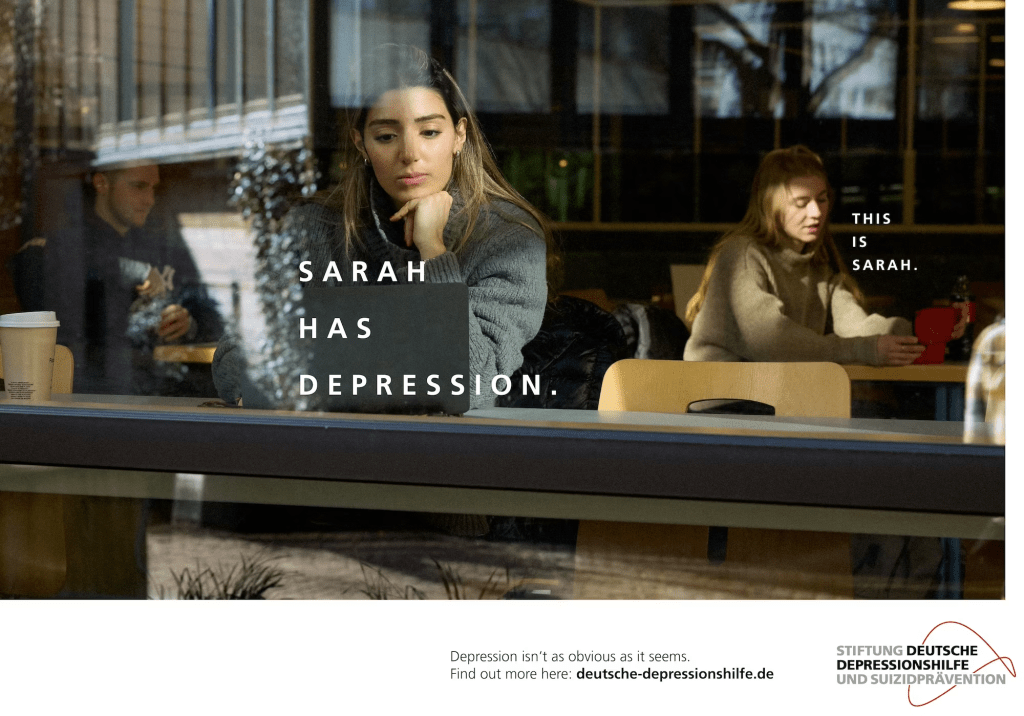
Source: Stiftung Deutsche Depressionshilfe und Suizidprävention
In this article, we’ll explore some of these misconceptions, helping you gain a clearer understanding and hopefully offering some solace if you or someone you know is struggling.
#1 Suicidal Thoughts and Suicide Attempts Are the Same
In difficult life situations, you might develop suicidal thoughts. These thoughts can be distressing and consuming, clouding your mind with a sense of hopelessness. However, having these thoughts doesn’t necessarily mean you will attempt suicide. An attempt is a different and more severe action, often driven by an acute crisis or overwhelming emotional pain.
For example, someone might struggle with chronic stress and feel empty or trapped in their circumstances. These thoughts can linger and cause immense distress, but they do not always lead to a suicide attempt. On the other hand, an attempt usually occurs when the person faces an immediate and intense crisis, such as the sudden loss of a loved one or a traumatic event that pushes their emotional state beyond its limits.
Understanding this difference can help you recognize that having suicidal thoughts doesn’t mean the situation is hopeless or that immediate drastic action is inevitable. It’s essential to differentiate between the thoughts and the actions, as this distinction can provide a sense of control and relief.
Thoughts are not actions. Acknowledge that and you can begin to explore ways to manage these distressing feelings without feeling compelled to act on them. This understanding allows for the possibility of seeking support and finding alternative solutions to cope with the underlying issues driving these thoughts.
#2 Passive Suicidal Ideation Is Not Serious
Passive suicidal ideation is often misunderstood and underestimated. When you experience passive suicidal thoughts, you might think about death or wish you were dead without actively planning or intending to end your life. These thoughts can be pervasive and distressing, often stemming from a desire to escape unbearable emotional pain or overwhelming life circumstances.
For example, you might find yourself thinking, “I wish I could just go to sleep and not wake up,” especially during moments of intense stress or hopelessness. It’s a common misconception that because these thoughts are not accompanied by active planning, they are not serious. However, they still indicate a significant level of distress and a need for support.
“I didn’t have a plan to end my life, but I often wished I could just disappear. It felt like a constant, heavy cloud over me that I couldn’t shake off.”
This is Damian (25), a student from San Mateo, California. Even without active intentions, the emotional pain and hopelessness he felt were real and debilitating. However, his passive suicidal ideation and intrusive thoughts about death in general are not the sam. While passive suicidal ideation involves a wish or desire for your own death, even without a clear plan, intrusive thoughts are sudden, disturbing ideas or images that make you feel anxious but don’t reflect a deeper wish for death.
Imagine a sudden, disturbing image of a car crash flashes through your mind at work, making you anxious but quickly passing. This is an intrusive thought about death.
In contrast, if you frequently daydream about how life would be easier if you weren’t around and feel a sense of relief at the thought, that’s passive suicidal ideation.
Passive suicidal ideation is a serious issue and recognizing it as such is crucial. Like with other thoughts and feelings that start sneaking into every corner of your daily life, the best way is to express and acknowledge them. Whether it’s a journal, a trusted person or a personal AI for mental health you feel most comfortable opening up with, do not wait until the pain becomes unbearable.
Always take any type of suicidal thinking seriously, whether it’s yours or someone else’s.
#3 Suicide Is Always a Result of Mental Illness
The common medical model often frames suicide or self-harm as a result of psychological disorders like depression. When you visit a professional with suicidal thoughts, they might focus primarily on diagnosing and treating a mental disorder rather than understanding your personal reasons for feeling unhappy. This approach can make you feel like they’re speaking a different language, disconnected from your unique experiences and struggles.
Imagine you’ve been overwhelmed by a series of life events such as losing your job, a painful breakup, or experiencing a personal loss. You decide to seek help, hoping to talk about how these specific events have impacted you. Instead, you might find that the professional quickly shifts the conversation to symptoms of depression or anxiety, prescribing medication without delving into the heart of your personal story.
This can leave you feeling misunderstood and even more isolated as Namira (32), a teacher from Canton, Ohio:
“When I reached out for help, I wanted to talk about how my divorce and the loss of dream job were affecting me. Instead, the doctor kept asking about my sleep patterns and energy levels. I felt like my pain was being ignored, and it made me hesitant to seek further help.”
This sentiment reflects a common experience where a clinical checklist overshadows the individual’s unique context and personal pain. You need to recognize that your feelings and experiences are valid, and that they deserve to be heard and understood. This is crucial in finding the right support and treatment.
#4 Suicidal People Always Seek Help
Many suicidal individuals do not seek help because they fear not being understood or worry about being admitted to a psychiatric hospital. You might feel isolated in your pain, thinking no one else can truly grasp what you’re going through. This fear can prevent you from reaching out, leaving you to battle these thoughts alone.
Imagine you are overwhelmed by feelings of hopelessness and despair, but the thought of telling someone seems terrifying. You might worry about being judged, misunderstood, or even hospitalized against your will. These fears can be paralyzing, making it seem safer to keep your thoughts to yourself rather than risk reaching out and facing potential consequences.
“I was terrified to tell anyone about my suicidal thoughts because I thought they’d think I was crazy and lock me up. It felt like my pain was a secret I had to carry alone.”
Like many people, Namira felt that her only option was to hide her true feelings, which only exacerbated her sense of loneliness and hopelessness.
These fears are common and valid, that’s why recognizing them is so important to start breaking the silence. There are compassionate professionals, supportive individuals and AI-powered mental health companions that can listen without judgment. While reaching out can be daunting, everyone deserves to find relief and support.
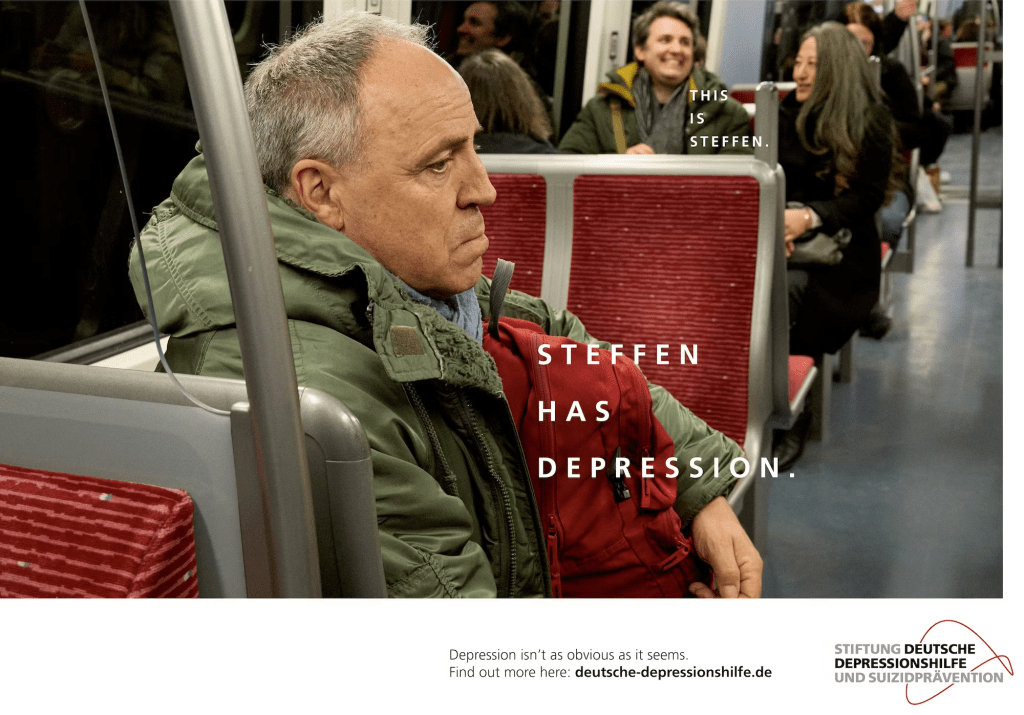
Source: Stiftung Deutsche Depressionshilfe und Suizidprävention
#5 Suicide Is a Rational Choice
When you’re in a suicidal crisis, the immediate goal is often to end unbearable inner pain. Your brain’s alarm system, the amygdala, reacts to this pain as if you were facing a life-threatening danger, like a lion. This triggers the stress system, which overrides your rational thinking, making it nearly impossible to act thoughtfully. Instead, you might feel like a robot controlled by the stress, with suicide seeming like the only way to stop the pain.
Consider a time when you felt immense emotional pain, perhaps after a significant loss or a personal failure. In those moments, your mind might be overwhelmed with negative thoughts, making it hard to see any other way out. Your logical, problem-solving abilities are overshadowed by the immediate need to escape the suffering. It’s like being trapped in a tunnel where the only visible exit is through ending the pain permanently.
“During my darkest moments, it felt like my brain was hijacked by the pain. I couldn’t think clearly or see any other solution. It wasn’t about rationality; it was about desperation.”
Once Namira realized that her suicidal thoughts and actions were driven by an overwhelming need to escape pain rather than a rational choice, she started digging deeper.
Recognizing the role of the brain’s stress response helped her pave the way for seeking help and finding alternative ways to manage the pain.
#6 Suicidal People Have Simple Reasons for Their Crisis
If someone asked you to explain your suicidal crisis, you might tell a complex and deeply personal story. Often, traumatic experiences such as separation, rejection, violence, and abuse are at the heart of these feelings. These events can leave lasting scars that trigger psychological pain and lead to suicidal crises, making the situation far more complicated than just a symptom of a mental disorder.
Imagine trying to convey your feelings to someone who assumes your crisis stems from a single cause, like depression. It can be frustrating and disheartening when they don’t grasp the multitude of factors contributing to your pain. Your experiences might include a painful breakup, ongoing bullying at work, or emotional unavailability that still haunts you. In Namira’s case, each layer added to the emotional burden, creating a tangled web of distress that prooved difficult to unravel.
“When I tried to explain why I felt suicidal, people didn’t understand. It wasn’t just one thing—it was the culmination of years of pain.”
From being bullied in school to losing her dream job and eventually getting a nasty divorce, each event chipped away at Namira’s sense of self until she felt completely broken.
Suididal thoughts and suicidality are not simple issues with a straightforward solution. It took the acknowledgement of this complexity to allow for more compassionate and comprehensive support. People in crisis need to truly feel seen and understood.

Source: Stiftung Deutsche Depressionshilfe und Suizidprävention
#7 Talking About Suicide Makes It Worse
There’s a common misconception that talking about suicidal thoughts and feelings will only make them worse or burden others.
“I was terrified to talk about my suicidal thoughts because I thought it would make things worse.”
However, as Damian came to realize, keeping these feelings to himself, hiding behind a mask, and pretending everything was okay only worsened the situation for him and his environment.
That’s why sharing your pain and shame with a trusted person or tool is a crucial first step toward understanding and managing your suicide risk. It can also help you learn how to handle episodes of feeling lost and future crises better.
Imagine you’re struggling with overwhelming thoughts of despair, but you’re afraid to share them. This fear can be paralyzing, keeping you trapped in a cycle of isolation and silent suffering. The weight of carrying these feelings alone can make the situation feel even more unbearable.
Talking about your feelings allows others to offer support and helps break the cycle of isolation. It opens the door to understanding and managing your intense emotions more effectively, enabling you to develop strategies to cope with future crises.
#8 Helping Suicidal People Is A Matter Of Luck
There’s a common misconception that helping suicidal people is a matter of luck, that only by chance can you recognize the situation, say the right thing or intervene at the right moment. In reality, effective help is not about luck but about understanding, empathy, and appropriate actions. When someone else is experiencing suicidal thoughts, they are often overwhelmed by intense emotions and unable to see a way out. Your support, compassion, and willingness to listen can make a significant difference.
Consider the story of Damian who was saved by a friend’s intervention:
“I was in a very dark place and thought nobody would understand.”
Damian’s friends noticed he wasn’t himself and simply asked how he was doing. They listened without judgment, and that conversation was the turning point for Damian. It wasn’t luck; it was their genuine concern and unwavering support that made the difference.
Taking the time to show you care, listening without judgment, and encouraging people to seek professional help are powerful ways to support someone in crisis. It’s also important to educate yourself about the warning signs of suicide and learn how to approach the topic sensitively.
Being informed, listening actively and reaching out can provide meaningful help and potentially save a life. Effective intervention is about being present, understanding the signs, and knowing how to respond, not about luck.
Now stop scrolling and go ask a friend how they are really doing!
