

Entrepreneur, Senior Leader & Ecosystem Builder with a degrees in Music, Psychology, Digital Mgmt & Transformation. Co-founder of the Music Factory and Earkick. Life-long learner with a deep passion for people, mental health and outdoor sports.

Have you found yourself doom-scrolling through election news at 2 AM, heart racing with anxiety? Or maybe you’ve caught yourself refreshing your news feed constantly, hoping for a glimmer of good news amidst the chaos?
With the presidential election just around the corner, it’s no wonder. 2024 isn’t just any election year—it’s a super election year. Across South America, Europe, and other parts of the world, political shifts and fears about outcomes are making headlines.
Here in the U.S., the political divide feels deeper than ever, and global conflicts only add to the uncertainty. It’s no surprise that recent surveys reveal a significant portion of Americans are grappling with election anxiety, political stress, financial fears, and a deep feeling of frustration. The constant stream of news and social media updates can make it feel like the world is spinning out of control, and it’s taking a toll on our mental health. Let’s dive into what election anxiety is effectively.
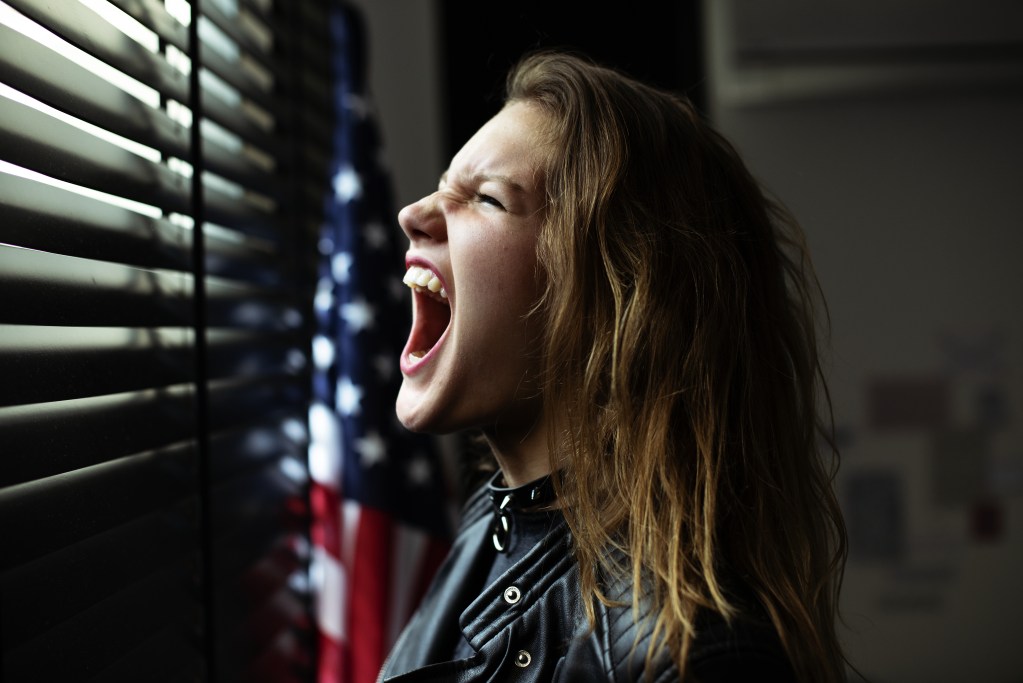
What is Election Anxiety?
Election anxiety refers to the heightened levels of stress and worry that people experience in the lead-up to an election. According to a poll by the American Psychiatric Association, nearly 73% of respondents reported feeling anxious about the election. Similarly, a survey by Myriad Genetics found that almost 40% of people are feeling anxious or depressed about the election season. This anxiety can stem from the uncertainty of election outcomes, the constant barrage of news and social media updates, and the polarized political climate.
Election Anxiety Vs Political Anxiety
However, election anxiety is just one aspect of a broader phenomenon known as political anxiety. While election anxiety is specific to the period surrounding an election, political anxiety encompasses a wider range of stressors related to the political landscape. This includes ongoing legislative changes, international relations, partisan conflicts, and general political unrest. For example, ongoing debates about healthcare reform, immigration policies, and international trade can contribute to a persistent sense of political anxiety.
Both types of anxiety are interconnected. The lead-up to an election often amplifies underlying political anxieties as people worry about how the results might affect ongoing political issues. The 24/7 news cycle and social media can intensify these feelings by continuously highlighting the stakes and potential consequences of the election. The heightened emotional climate during this period can exacerbate fears and uncertainties about the future, making it crucial to recognize and address both election-specific and broader political anxieties.
Why It’s Normal to Feel This Way
Whether it’s the immediate pressure of an upcoming election or the ongoing strain of political developments, it’s completely normal to experience a wide range of emotions during election season. From fear and anger to sadness and stress, these feelings are valid and common.
Psychologists emphasize that these emotions signal our need to pay attention to what’s happening in the world so we can act in ways that align with our values and beliefs. The current political landscape can feel particularly overwhelming, especially when there are significant events like attempts on candidates’ lives or widespread calls for another to drop out of the race. These intense situations only heighten the emotional climate, making it even more critical to understand and manage our feelings.
Channeling Your Election Anxiety into Action
Feeling anxious about the election can be overwhelming, but there are constructive ways to channel that energy into action:
- Get Informed: Dive into researching the candidates and their policies from reliable news sources. This can help you feel more in control and make informed decisions. Avoid relying solely on social media or hearsay from others; instead, seek out factual, validated information. Websites like Ballotpedia and FactCheck.org can be great resources for unbiased information.
- Use Your Voice: Volunteer with organizations that align with your values, share factual information with friends and family, and, most importantly, exercise your right to vote. Volunteering can take many forms, from phone banking to helping out at polling stations. These activities not only help you feel more involved but also contribute to the democratic process.
- Join a group that teaches you how to talk it out in a moderated and supportive environment. Conversations about politics and learning to have a meaningful exchange is a powerful way to take action.
Recognizing When to Seek Help
While it’s normal to feel stressed during this time, it’s crucial to recognize when these feelings become overwhelming. If you’re experiencing prolonged sadness, worry, hopelessness, or physical symptoms of stress, do take it seriously and start paying close attention.
It might be time to seek mental health care. People with preexisting anxiety and depression are particularly susceptible to heightened symptoms during periods of societal uncertainty.
Start tracking your mood and anxiety using a journal or mental health app. If you find your mental health deteriorating, don’t hesitate to reach out to a professional.
Online therapy platforms or AI mental health companions offer accessible mental health care, making it easier to get support when you need it.
Strategies to Manage Election Anxiety
Here are some practical strategies to help you manage election anxiety:
#1 Observe And Acknowledge Election Anxiety
The first step in managing election anxiety is to observe and acknowledge your feelings. Pay attention to how often you think about the election and notice any physical or emotional responses you have. Are you feeling more irritable, restless, or having trouble sleeping? Recognizing these symptoms is crucial because it allows you to understand that what you’re experiencing is a common reaction to a high-stress situation.
Take a moment to sit quietly and name your feelings. You might say to yourself, to a friend, or to a trusted mental health companion, “I feel anxious about the upcoming election,” or “I’m worried about the political climate.” Acknowledging your anxiety can help you feel more in control and less overwhelmed. It’s essential to validate your emotions rather than dismissing or bottling them up.
Getting it all out increases the likelihood of getting a meaningful response!
#2 Understand What’s Fueling Your Election Anxiety
Uncertainty often breeds anxiety. We crave predictability and control, and the unknown elements of an election can make us imagine worst-case scenarios. Instead of spiraling into “what-if” thoughts, ask yourself:
- How likely is that worst-case scenario?
- Can I cope with it?
- What can I control in this situation?
These questions can help you regain a sense of control and reduce anxiety. It’s about shifting your focus from what you can’t control to what you can.
#3 Look For Meaningful Activities
Find activities that bring you joy and purpose. Whether it’s volunteering for a cause you care about, engaging yourself for the planet, helping out family members, or making your community a better place, meaningful activities can significantly boost your well-being. For example, joining local community projects or starting a neighborhood initiative can provide a sense of accomplishment and community engagement.
#4 Find Your Own Healthy Coping Mechanisms
Engage in activities that keep you in the present moment and bring you joy. Spend time in nature, enjoy fun activities with family and friends, take care of your furry friend, and make sure to move your body. Physical activity helps release stress and keeps you grounded. Activities like yoga, meditation, or even gardening can be particularly soothing and help you stay focused on the present moment.
#5 Make Social Connections Your Superpower
Social connections are vital for your mental health and their absence is a risk for your mental and physical health. Reach out to friends, family, and peers who support you. Joining groups or clubs that focus on non-political interests can also provide a much-needed break from election-related stress.
A word of caution: Be mindful not to engage in stress-inducing conversations that send you and other down rabbit holes. Rather try to connect with people who have different viewpoints and truly listen to them as open-minded as possible. This will help you deal with potential conflict in a constructive and effective way that fosters understanding and reduces any underlying anxiety. The better you understand yourself, the more you can manage not only election anxiety but also your emotional response to potentially triggering conversations.
Practical Examples for Everyday Life
Here are some everyday examples of how you can apply these strategies to manage election anxiety:
- Morning Routine: Start your day with a calming activity like a breathing exercise or a short walk instead of immediately checking your phone for news updates.
- Work Breaks: During your lunch break, call a friend, hit the gym or listen to your favorite music instead of browsing through social media.
- Evening Wind-Down: Dedicate the last hour of your day to a relaxing activity, such as reading a book, audio-journaling your thoughts, or taking a bath, to help your mind unwind before bed.
Build a Support System
Building a support system is crucial during times of heightened anxiety. Here are some ways to strengthen your social connections:
- Virtual Meetups: Organize virtual hangouts with friends and family to stay connected without the stress of political discussions.
- Support Groups: Join support groups where you can share your feelings with others who understand what you’re going through. Websites like Meetup offer a variety of groups, including those focused on mental health and wellness.
- Community Engagement: Participate in local events or volunteer opportunities that focus on community building rather than politics. This can help you feel more connected and supported.
Election Anxiety is Real, But You’re Not Alone
Election anxiety is real, but you can manage it by staying informed, engaging in meaningful activities, and maintaining healthy social connections. Yes, it’s okay to feel stressed, but if it becomes overwhelming, don’t walk that path alone. Do whatever helps you stay grounded, stay connected, and use your unique voice to make a difference.
Now stop scrolling and go turn election anxiety into action!
