

Entrepreneur, Senior Leader & Ecosystem Builder with a degrees in Music, Psychology, Digital Mgmt & Transformation. Co-founder of the Music Factory and Earkick. Life-long learner with a deep passion for people, mental health and outdoor sports.

Drink Order Or IQ Test?
You step out into the cold, fingers stiff, brain fried from the day. On the commute home, every ad screen screams about functional beverages. A girl in perfect athleisure sips a neon green something “for gut health.” A guy in a hoodie cracks open a can “for focus and flow.”
Another bottle promises “immunity + glow,” like it is a skincare routine in liquid form. You walk past the café, and the menu looks like a chemistry set:
Mood latte, adaptogen cacao, collagen matcha, brain-boost brew.
Each one costs more than lunch. You hesitate at the counter, caught between “I will just get a normal coffee” and “What if I am missing out on the one drink that could fix my foggy brain and tired body?”

At home, your feed does the same thing, only louder. One expert swears by mushrooms, another praises electrolytes, someone else says caffeine is the enemy, and a fourth slips a sponsored can into a “morning routine” video. You cannot taste-test your way through all of them, and reading labels somehow makes everything more confusing.
This Earkick article walks straight into that foggy storm with you. First, it pulls apart the hype around functional beverages, ingredient by ingredient. Then it builds you a small, realistic menu of hot drinks that actually earn their place in your day. And finally, you’ll get actionable suggestions on how to decide without turning every sip into a luxury purchase or a science exam.
What Are Functional Beverages?
Functional beverages are drinks designed to do more than hydrate you. They may contain added ingredients like caffeine, vitamins, minerals, probiotics or plant extracts. The goal is to support specific functions such as energy, focus, digestion, immunity, or mood. Classic examples range from coffee, cacao (with and without ceremony), tea, and sports drinks to kombucha, “vitamin waters,” prebiotic sodas, and wellness lattes.
Functional Drinks vs Functional Beverages
Even very similar terms that get thrown around add to the confusion. Both are the same liquid, but in a different costume. Functional beverages sound like something discussed in a board meeting with slides. Functional drinks are what you ask for when you are cold, tired, and hovering in front of a café menu that reads like a lab protocol.
Fancy Labels And Hefty Prices
The problem starts when those two fancy labels make it feel like there are endless new categories to understand, when in reality, you are still choosing between caffeine, plants, probiotics, sugar, and price. The real distinction that matters lives in the ingredients, the dose, and what you want your body to do next. So, ignore which trendy term made it onto the can, because:
Chances are you already drink “functional beverages.”
If you have ever downed a coffee to wake up, a sports drink after a workout, a calming herbal tea before bed, or a kombucha because your gut “needed support,” you are in the club.
Brands know exactly what you are searching for. Recent market reports show that new drinks cluster around a few magic words:
- Energy and focus for work and study
- Gut health and “bloat freedom”
- Immunity and cold-season support
- Stress relief and “mood”
- Beauty from within for skin, hair, and “glow up” effects
Retail data backs this up. Functional drinks now land in the basket several times a month for a big chunk of shoppers. Gen Z in particular drives this wave. They swap some alcohol and classic sodas for mushroom shots, kombucha, matcha, prebiotic sodas, and electrolyte blends that promise wellness in a cup. That explains why your feed looks like a liquid pharmacy.
Every bottle says “trust me, I help.”
The rest of this article helps you tell who really does.
To dive deeper into the discussion around cold functional drinks like energy drinks, etc., check the video below. For hot functional drinks, read on.
What Functional Beverages Can Actually Do
Before diving into your warm top 7, it helps to know which ingredients carry decent science and which ones just have good branding.
A few real workhorses show up again and again in research:
Caffeine: The Classic Brain Wake-Up
Caffeine is the reason coffee and many teas feel like a “power on” button. It blocks sleepy signals in your brain for a while, so you feel more alert, react faster and think more clearly in the short term. Most people do well somewhere between roughly 40 and 200 mg at a time, depending on body size and timing. Above that, the upgrade turns into jitters and wrecked sleep very quickly.
Caffeine + L-Theanine: Focus With Fewer Jitters
L-theanine is an amino acid that naturally shows up in tea leaves. When you combine it with caffeine, as in matcha or strong green tea, you still get mental sharpness, only with a calmer edge. Several studies find that this combo supports attention and mood under pressure and feels smoother than caffeine on its own. Less “wired,” more “locked in and steady.”

Tea & Matcha Polyphenols: Antioxidants in a Mug
Tea and matcha come with a group of plant compounds called polyphenols. A star player here is EGCG, a very active antioxidant. Research links these molecules to better blood vessel function, healthier cholesterol patterns and potential protection for the aging brain. Some trials with matcha also point to better thinking skills and sleep quality in older adults who drink it regularly.
Cocoa Flavanols: Chocolate With Circulation Benefits
Cocoa beans carry their own special family of polyphenols called flavanols. When you drink high-cocoa hot chocolate on a regular basis (with reasonable sugar), expect improvements in blood flow and some measures of cognitive performance. This is true especially in older adults, but less so for younger people. Think of it as “gentle support” rather than a genius potion.
Probiotics & Prebiotics: Gut-First Functional Beverages
Drinks like kefir, some kombuchas, and “prebiotic sodas” focus on your gut. Probiotics are live friendly bacteria, while prebiotics are the fibres they like to eat. Together, they can support digestion and a healthier gut ecosystem, with early links to better immune function and mood. They work best as part of an overall fibre-rich eating pattern, rather than as a one-bottle fix.
Electrolytes & Carbs: When Your Drink Becomes Fuel
Sports drinks and electrolyte mixes are built for effort far beyond your office chair. They combine minerals like sodium and potassium with carbs so your body can hold on to fluid and keep muscles firing during long or intense exercise. They really earn their place in long runs, heavy training sessions, and hot conditions. For a short walk to the printer, water still wins.
The Role of Temperature in Functional Beverages
Randomised trials on hot drinks for colds show something your grandmother already suspected: a hot, tasty drink can bring meaningful relief. Think relief from runny nose, sore throat, chilliness, and tiredness, even when the same drink at room temperature fails to do so. It does not magically cure the virus, but it clearly improves how you feel.
So before you meet a single mushroom or adaptogen, a simple hot mug already works for you. It can warm your airway, calm your body, and provide you with a small hit of comfort. Ingredients then add more targeted effects on top.
To learn more about the forgotten hot drinks, history’s functional beverages, watch the video below.
Functional Beverage Myths That Drain Your Wallet
Once you know what exactly helps in functional beverages, it gets a lot easier to spot the stuff that mostly pays for the branding agency.
The Detox Drink Fantasy
“Detox” teas and shots promise to flush mystery “toxins” out of your body. Your liver, kidneys, gut, and skin already run a 24/7 detox team. A drink can give them water and nutrients. It does not act like a chemical washing machine.
Fat-Burn Miracles In A Mug
Caffeine gives your metabolism a tiny nudge and can boost workouts. “Fat-melting coffee” or slimming lattes inflate small lab effects into big lifestyle promises. Long-term weight change still comes from habits, not from one extra scoop in your cup.
Instant Genius In A Can
Nootropic drinks sprinkle in L-theanine, ginseng and brainy buzzwords, then promise superhero focus. Some combos look interesting in studies, yet the effects stay small and very individual. If the can is loaded with caffeine and sugar, the main experience is still rush, then crash.
Gut Health In One Bottle
Kombucha, fibre-plus sodas, and probiotic shots can support your gut, especially when they bring real live cultures and prebiotic fibres. The real heavyweight, though, is a week full of varied plant foods and fibre. Less limited-edition, far more impact.
Vitamin Waterfalls
Vitamin waters and “immunity boosters” often deliver huge doses of vitamins you already cover with food, plus sugar or sweeteners. Extra water-soluble vitamins mostly head out again via your urine once your needs are met. At that point, you mainly buy flavour, not magic.
Now for the fun part: warm drinks that actually pull their weight.
7 Functional Beverages That Are Actually “Hot”
No need to hunt for rare ingredients. Your kettle plus a few staples already cover most of your daily needs.
1. Matcha: Calm Focus in a Cup
Matcha combines caffeine with L-theanine and a dense package of tea catechins. This combo is linked to sharper attention and steadier performance under stress. Additional trials suggest benefits for emotional processing and sleep quality in older adults.
In real life, that means less “wired and shaky,” more “awake and steady.” If you keep your portion sensible and skip late-evening matcha that barges into your sleep, you’re good to go.
Perfect moment: morning deep-work block or that 10 a.m. window when your brain wants a clean, focused start.
2. Golden Milk: Anti-Inflammatory Evening Hug
Golden milk blends turmeric with a warm base (usually milk or plant milk) plus a little fat and black pepper to help your gut absorb curcumin. Curcumin is linked to reduced inflammatory markers and more comfortable joints in some people.
Think of it as a cosy ally for chilly nights, achy days, and screen-tired eyes, with a gentle anti-inflammatory nudge.
Perfect moment: post-dinner wind-down when you want comfort without caffeine.
3. Bone Broth: Liquid “Soft Food” for Recovery
Bone broth brings salt, fluid, some protein, and minerals in one warm sip. Levels of collagen and specific amino acids vary a lot from batch to batch, so it works best as gentle nourishment rather than a magical joint fix.
When you feel run-down, struggle with appetite, or recover from illness, a mug of broth can be easier to handle than a full meal. Your body still gets relevant building blocks to work with.
Perfect moment: sick days, travel recovery days, post-workout on cold evenings.
4. Mushroom Cacao: Stress Support in Pyjamas
Mushroom cacao mixes often combine reishi, lion’s mane, or other fungi with cocoa powder. Early human studies and a lot of animal work explore their role in stress response, immunity, and cognition. Treat mushroom cacao as a tasty ritual rather than a prescription. The real win is a consistent evening pause where you close the laptop, stir your mug, and tell your body, “We are landing now.”
Perfect moment: pre-sleep ritual when you want something chocolatey that does not drag caffeine into bed with you.
5. Ginger-Mint Tea: Fresh Air for Your Gut and Airways
Ginger has a long track record for easing nausea, helping digestion, and alleviating mild pain. Mint relaxes smooth muscle in the gut and brings that cool, open feeling in your nose and throat.
Together in a hot drink, you get warmth for your airways plus ingredients that nudge digestion along. Remember that hot-drink cold study? This is your personalised, steam-powered version.
Perfect moment: after heavy meals, during colds, or as an afternoon reset when coffee would push you over the edge.
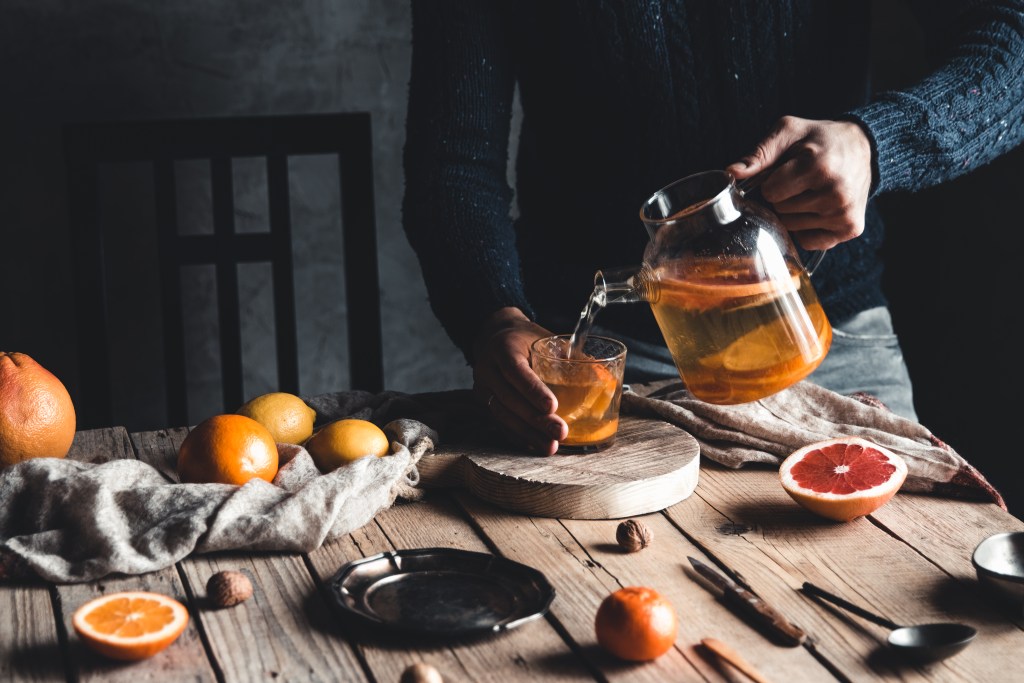
6. Coffee: The Original Functional Beverage
Although coffee rarely markets itself as “functional,” regular intake is tied to sharper performance in the short term. Over the long term, and when you stay in moderate ranges, it can lower the risk of several chronic diseases.
Caffeine hooks into your adenosine system, lifting fatigue and sharpening reaction times. Coffee’s polyphenols add antioxidant effects and may support vascular and metabolic health.
You still want to respect your own tolerance, anxiety levels and sleep.
Perfect moment: early work block, pre-exercise, or that one strategic social coffee, not an 8 p.m. panic espresso.
7. Mushroom Coffee: Caffeine With a Side of Mushroom Hype
Mushroom coffee mixes regular coffee with powdered extracts from fungi like lion’s mane, reishi, or chaga. You still get caffeine for alertness, plus beta-glucans and other compounds that research links to stress support, immune balanc,e and possibly sharper thinking. Most of the science so far comes from small human trials and animal work with concentrated extracts, so think “interesting bonus” rather than “guaranteed brain upgrade in a mug.”
The real win is a slightly softer caffeine curve and a built-in reminder to treat your coffee as a ritual. Try brewing, sipping, breathing, and then let the day come to you rather than sprinting into it.
Perfect moment: late-morning deep-work sessions when regular coffee feels too harsh but you still want a clear, focused brain.

Stop Collecting Drinks, Start Collecting Outcomes
Instead of chasing every new can on your feed, treat each functional beverage like a tiny experiment. Before you pour, ask:
“What do I want my body or brain to do in the next two hours?”
Then record what actually happened. Use pen and paper, a journaling app, or your favorite AI mental health companion. What was the trigger? Was it focus for a deadline? How did you feel? Energy crash or smooth ride? What did you notice? Less coughing or still miserable? After a week, your data tells you more than any shiny label.
The drink stops being a lucky charm burning holes in your wallet.
Most of all, it stops being a 7-dollar promise that does not come true. Make your version of functional beverages part of a low-cost strategy that actually fits your situation.
Turn Your Mug Into A Mini Ritual
Functional beverages work best when they hook into simple moments you already have. One intentional morning drink that points your brain toward the first task. Add one afternoon mug that replaces ten minutes of doomscrolling with steam and breath. Then wrap up with one warm evening drink that says “landing gear out” to your whole system.
Each time, record two or three words about mood, focus, or sleep later that night. Over time, you build your own “menu of what works” and realise you need far fewer products than FOMO and Instagram suggest.
Now stop scrolling and put that kettle on!
