

Entrepreneur, Senior Leader & Ecosystem Builder with a degrees in Music, Psychology, Digital Mgmt & Transformation. Co-founder of the Music Factory and Earkick. Life-long learner with a deep passion for people, mental health and outdoor sports.

You keep seeing it. A group of people sitting in a circle with handmade mugs. Maybe someone’s got a drum and someone’s crying. You catch a photo of someone else writing in a notebook like it’s the meaning of life. The caption reads “Cacao ceremony changed everything.” Or “Heart cracked wide open.” From your AI self-care coach, Earkick, you already learned that such claims need to be backed by facts and explored through a scientific lens. You’re just trying to figure out what’s in the cup. Is this a cult? Or is it hot chocolate with PR?
Is everyone microdosing without telling you?
Cacao ceremonies are all over social media and starting to show up in real life too. Your friend did one and now talks about “intentional sipping” like it’s a personality trait.

Is it group therapy with cocoa or something more? Well, if you’ve been stressed, stuck, overwhelmed, numb, or just plain curious… it might be worth figuring out what’s actually in that cup. This article is a no-BS guide to what a cacao ceremony actually is, what the science says, who should skip it, and how to try it respectfully in your mental health journey.
Cacao Ceremony for Mental Health: Quick Facts
- What cacao ceremony means: A guided ritual using ceremonial-grade cacao to promote emotional connection, mindfulness, and heart coherence
- Why people do it: To boost mood, reduce anxiety, process emotions, or reset after burnout
- The science: Cacao contains mood-enhancing compounds. Yet, rituals, intention, and social safety may be the bigger players
- Should you try it? It’s not a cure, but it can be part of the solution. Worth sipping if you’re seeking a mindful, non-pharma tool that combines somatic calm with emotional openness
1. What is a Cacao Ceremony?
A cacao ceremony is a guided group experience where people come together to drink specially prepared cacao in a held or sacred space. It’s a ritual that blends community, intention, and a powerful ancient plant. At the center of it all is a cup of ceremonial-grade cacao. Pure, earthy, and packed with compounds that nudge your heart open and your nervous system into a softer state.
You sit in a circle, sip the warm cacao slowly, and follow a guided experience. That might include breathwork, journaling, meditation, sound healing, or sharing thoughts with others. There may be music, stillness or even a moment when time feels like it stretches.
Every cacao ceremony is slightly different. Some people feel intimate and reflective, others experience it as raw and emotional. All the while, the main ingredients stay the same: presence, community, and cacao that hasn’t been messed with by sugar or industrial processing.
The purpose isn’t to perform. It’s to feel. To shift gears. To create a pocket of space where your thoughts slow down and your body feels safe enough to let something out—or let something in.
You won’t need to prepare a speech or solve your life. Just show up with an open mind and a cup in your hands.
It’s worth asking where all of this actually comes from as we dig deeper into cacao ceremonies. Way beyond a modern self-care trend, they’re rooted in a long, sacred cacao ceremony tradition that stretches back thousands of years.
2. A Pinch of Cacao Ceremony History
Cacao has been used in rituals for thousands of years. The Maya and Aztecs drank it during sacred gatherings, ceremonies, and royal events. Archaeologists have found traces of cacao in ancient pottery, and old glyphs even spell out the word kakaw.
The Sacred Cacao Ceremony
In Aztec culture, cacao was so valuable that it was used as currency. It was primarily consumed by elites, warriors, and during sacred or ceremonial events. Commoners could sometimes partake during rituals or festivals. The 16th-century Florentine Codex, a detailed account from the time of Spanish colonization, describes how cacao was prepared with spices and shared in important rituals. These early traditions laid the foundation for what’s now called the sacred cacao ceremony.
However, when the Spanish brought cacao to Europe, they added sugar and milk. Over time, the bitter ceremonial drink became the sweet hot chocolate we know today. In 2025, cacao ceremonies still carry the same core idea:
Using cacao to connect with yourself, others, and the moment.
3. What a Cacao Ceremony is NOT
Let’s clear up a few things. A cacao ceremony is not:
- A chocolate tasting with mood lighting
- Group therapy where you spill your trauma to strangers
- A religious service
- A trip-inducing plant medicine journey
- A cult where everyone wears white and chants for hours
You can keep your shoes on and your camera off. It’s ok to keep your doubts or conflicting emotions. The ceremony still works. Most people leave feeling more connected to themselves, to others, or to something they can’t quite name.
4. What Happens in Your Brain During a Cacao Ceremony
Think of a cacao ceremony as a multi-sensory nudge to your nervous system. You’re drinking something warm. And you’re entering a specific environment with cues that tell your brain: now is a good time to relax, reflect, and feel.
As the cacao enters your system, the brain starts responding to its active ingredients. Blood flow increases. The prefrontal cortex, the part involved in reflection and meaning-making, lights up more gently than it would with caffeine or psychedelics, but enough to shift gears. Instead of feeling wired, you feel present.
Other Cacao Ceremony Effects
The group environment adds another layer. When you’re surrounded by people in a calm, safe space, your brain picks up on that through mirror neurons and starts syncing. It’s a built-in social regulation system. You might feel more open, more willing to listen, or more able to speak without needing to explain everything.
Ceremony also creates predictability. Your brain thrives on that. It lowers threat response and makes space for reflection. Paired with warmth, stillness, and intention, this allows the vagus nerve to engage. That’s when digestion improves, muscles release, and emotions move through more easily.
So while cacao is part of the story, your brain is responding to the whole scene. Let’s take a closer look at the cacao ceremony benefits from an active compounds perspective.
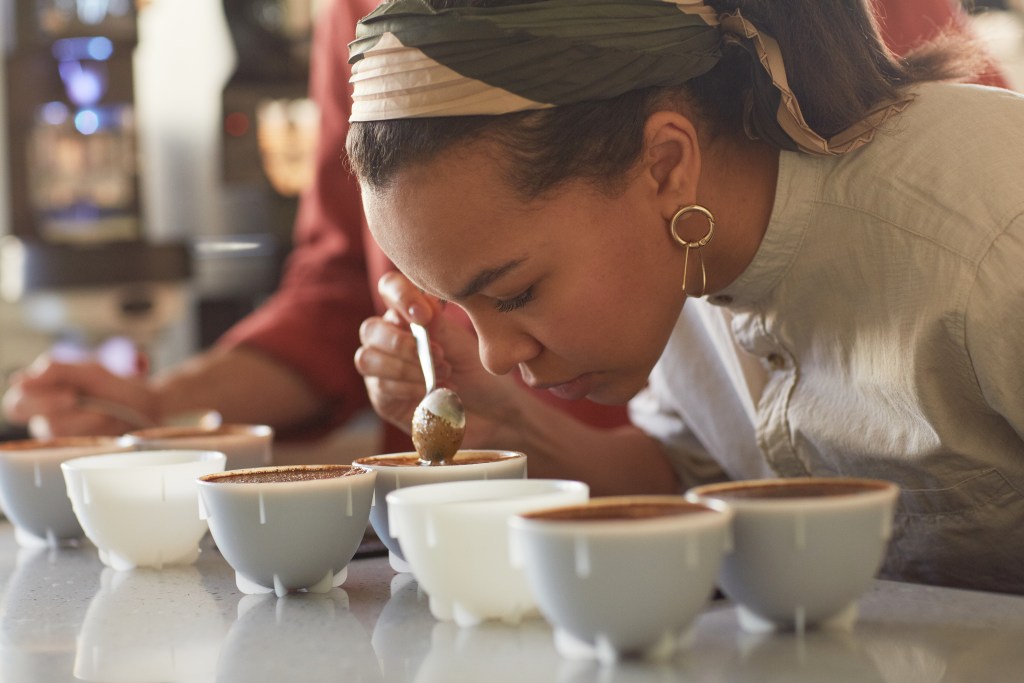
5. Active Compounds in Cacao: Mood or Myth
Ceremonial cacao is not your average chocolate bar. It contains a dense concentration of bioactive compounds that can influence mood, focus, and even motivation.
Let’s walk through the ones that matter:
Theobromine, The Gentle Stimulant
Theobromine is a natural stimulant that increases energy and alertness without spiking adrenaline the way caffeine does. It widens blood vessels, improving circulation and oxygen flow to the brain.
Magnesium, The Calm Creator
Magnesium is known as the relaxation mineral. It helps regulate the nervous system, reduce muscle tension, and improve sleep quality. Many people are low in it, especially during periods of stress.
Phenylethylamine, The Love Molecule
Sometimes nicknamed the ‘love molecule,’ Phenylethylamine (PEA) is linked with motivation and pleasure, though its effects in food may be fleeting. It’s that gentle high you sometimes feel when you’re falling for someone, or watching a magnificent sunset.
Tryptophan, The Mood Foundation
A precursor to serotonin, Tryptophan is the feel-good neurotransmitter that supports emotional regulation and overall mood stability.
Cacao also contains flavonoids that support cardiovascular health and increase cerebral blood flow. As a result, you feel more alive, more in tune, and often more capable of emotional processing.
Together, these compounds can shift your baseline. You get a gentle lift in energy, a softening of emotional tension, and a clearer internal signal. Add ritual, music, and a safe space to the mix, and your brain starts to process things it usually ignores. The science is still emerging, but that’s why people walk away feeling lighter, clearer, or cracked open in a way they didn’t expect.
6. Cacao vs Coffee: Energy Without the Crash
You drink coffee for the jolt, and you drink cacao for the lift. The difference lies in how they enter your system and what they ask from your body.
Coffee floods your bloodstream with caffeine and pushes your adrenal system into action. You feel focused, fast, and ready, but the peak doesn’t last. When it drops, so does your energy, mood, and sometimes your patience.
Cacao works slower. The theobromine it contains doesn’t spike your cortisol or create a jittery edge. Instead, it expands blood vessels, increases heart rate gently, and supports mental clarity over time. Instead of feeling hyper, you feel awake.
Caffeine also tends to pull you out of your body, while cacao invites you back in. That’s why so many people use it for meditation, breathwork, or journaling. It supports awareness without distraction.
For people managing anxiety, burnout, or post-stress fatigue, this difference can be a game-changer. Give it a try if you like steadier energy, a more balanced emotional state, and the crash to be milder or nonexistent.
7. Who Should Avoid A Cacao Ceremony
Cacao ceremonies might sound harmless, but like with singing bowls, there are cases where that warm cup can do more harm than good.
If you:
- Take SSRIs or MAOIs: high doses of cacao may interact with your medication. The theobromine and PEA in cacao can overstimulate your system and may cause heart palpitations, spikes in blood pressure, or anxious overstimulation. Always check with a healthcare provider before attending if you’re on any psychiatric meds.
- Are sensitive to stimulants: Even though cacao doesn’t contain caffeine in large amounts, theobromine still acts on your cardiovascular and nervous system. If you react badly to coffee, energy drinks, or even green tea, tread lightly.
- Are pregnant or breastfeeding: Ceremonial cacao in larger amounts isn’t recommended. There’s not enough research on high-theobromine intake during pregnancy, and your baby’s system is more sensitive than yours.
- Have a heart condition or high blood pressure: Cacao’s vasodilating effects can make things worse. That gentle heart-opening may become an unwanted cardio workout.
- Feel unsafe right now with group spaces, spiritual language, or emotional vulnerability, take note. You don’t have to force anything. Cacao may open things you’re not ready to process. Being mindful about mental health also means you respect where you’re at.
8. What Do You Need for a Cacao Ceremony?
Forget flowing robes, a guru playlist, or an altar made of crystals. But you do need a few things to make it work, mentally and physically. Here are the answers to the most common questions around cacao ceremonies:
What Kind of Cacao Should I Use for a Cacao Ceremony?
Ceremonial cacao is pure, rich, and minimally processed. Skip the baking aisle and put some time into finding the right quality and taste. Until you find the perfect blend, you may have to experiment with the ingredients.

Simple Cacao Ceremony Recipe
- 100% cacao paste, not powder
- Non-alkalized and single-origin, if possible
- No added sugar, milk, or emulsifiers
You can melt it with hot water or plant milk, such as oat or almond. Flavor it gently if you want. Depending on your preferences, you can add a pinch of cinnamon, cayenne, vanilla, or a drop of honey or maple syrup.
The taste should stay earthy, deep, and grounding.
Cacao vs Cocoa: Why It Matters
Cacao and cocoa might sound like twins, but they’re not raised the same. Cacao is the raw, minimally processed version. It is rich, bitter, and full of active compounds as described above.
Cocoa is what happens after more heat and processing. It’s smoother, sweeter, and often stripped of the very elements that make ceremonial cacao so potent.
One lifts your mood. The other sweetens your cookies.
How Should You Set the Space for a Cacao Ceremony?
Remember that you are making space for your nervous system to exhale. You’re not decorating for looks or what people may think of you.
- Pick a quiet corner with soft light
- Find a seat that feels good for at least 30 minutes
- Put your phone on airplane mode, stay away from screens
- Bring a journal if you want to reflect or write
Music can help, but silence is just as powerful.
What Intention Should You Set for a Cacao Ceremony?
The simpler and more authentic your intention is, the better. A sentence like this will do:
- “I want to feel something.”
- “I’m ready to release old stress.”
- “I just want to slow down.”
You can whisper it, write it, or hold it in your chest. Think of it as your anchor rather than your outcome.
9. What Happens During a Cacao Ceremony?

Whether you’re solo or in a group, most cacao ceremonies follow the same core flow.
At the Start
You begin by making the cacao with attention. That might mean grating or whisking it slowly, lighting a candle, or simply taking a few deep breaths while it melts, taking in the scents. Some people say a few words over the pot. It’s more about rhythm and intentionality.
What Happens Once You Sit Down?
- In a group: a facilitator welcomes you, grounds the space, and introduces the flow.
- Alone: you settle in, maybe write your intention, and sip slowly.
Drink in small sips and notice your breath, your senses. You permit yourself to be present.
During the Cacao Ceremony
This part varies. But it usually includes:
- Breathwork or meditation
- Gentle movement or stillness
- Journaling
- Listening to music or sound healing
- Sharing or silence (if you’re in a group)
How Do You Close A Cacao Ceremony?
Most people record one thing that came up. Others sit in silence for a few minutes or sip water. If you’re in a group, there may be time to share or simply listen. You don’t have to say anything wise or deep. Showing up already says enough.
Cacao ceremonies usually last 60–90 minutes, but yours can be shorter. Even 20 intentional minutes can offer something you didn’t know you needed.
First-Timer Tips You’ll Be Glad You Knew
Yes, you can start by googling “cacao ceremony near me”, or
- Dose: Start with 20–25 g cacao paste. You can explore more once you know your sensitivity.
- Food: Eat lightly an hour beforehand so you’re grounded but not snoozy.
- Hydration: Sip water before and after; cacao is dense.
- Timing: Evening ceremonies can feel stimulating for some. If you’re sensitive, try daytime.
- Pets: Keep cacao far from dogs and cats; theobromine is toxic to them.
- Aftercare: Give yourself at least 15 minutes post-ceremony to write, walk, or be still. Don’t sprint to email.
Is it Hype, Science, or Both?
Not everything that feels good is therapy. But not everything that’s therapeutic has to come with a diagnosis, either.
Cacao ceremonies land somewhere in the middle. They are far away from replacing psychiatric care or solving trauma in a cup. Yet, they do offer something a lot of people are missing: a structured pause, a safe container, a moment to feel deeply without needing to explain it all.
At a time when burnout is common and nervous systems are on edge, these rituals can act as tiny interventions. Cacao may or may not have superpowers. But science can explain why cacao feels the way it does in your body.
So, if it makes you show up differently when there’s a rhythm, a reason, and a circle holding you, try it! The medicine is in what happens when you slow down enough to hear yourself again.
And that’s why, for many, the experience stays with them long after the last sip.
Now stop scrolling and consider what kind of cup you need today!
