

Entrepreneur, Senior Leader & Ecosystem Builder with a degrees in Music, Psychology, Digital Mgmt & Transformation. Co-founder of the Music Factory and Earkick. Life-long learner with a deep passion for people, mental health and outdoor sports.


The Buzz Around Caffeine and Anxiety Confuses
You ask one friend, and they say quit coffee, it saved their nervous system. Another swears matcha makes them feel worse. Every week, a new caffeinated drink launches, and you can’t even keep up with the claims. Then your doctor tells you to cut back, because caffeine and anxiety don’t go well together.
Yet TikTok says coffee is anti-aging and good for athletic performance. As you scroll on, Instagram convinces you it’s wrecking your cortisol.
Now, you’re left clutching your mug, wondering if it’s a miracle, a toxin, or just a scapegoat for everything else that’s off. In your Earkick app, you’ve created routines ranging from “quit caffeine” and “only one coffee” to “matcha for sustained focus” and “cacao ceremony for reflection”.
And the worst part is:
You can’t tell if your heart’s racing from stress… or from your third espresso.
This article is for that moment. When the chatter about caffeine and anxiety in your brain is louder than your morning brew.
You don’t want one more extreme opinion or fancy trend, but clarity. A simple way to figure out what actually works for you and your specific situation.
So let’s cut through the noise, decode the science, and build your own calm-energy game plan.
9 Reasons Advice On Caffeine and Anxiety Conflicts
How is it possible that one person drinks a triple espresso at 10 p.m. and sleeps like a rock? Another gets anxious from half a green tea. How?
It turns out, caffeine isn’t one-size-fits-all. Your reaction depends on at least nine hidden levers that pull in different directions. Get to know them, and suddenly all the conflicting advice makes sense.
1. Dose: How Much You Drink
The more caffeine you consume, the stronger the effects. But beyond the total milligrams, it’s also how your body handles them.
Your friend who thrives on four cups might be sipping around 400 mg. That might send you into a tailspin, especially if your usual sweet spot is under 150 mg.
Try this: Most people feel the edge above 200–300 mg a day. If you’re anxiety-prone, your caffeine and anxiety threshold might be much lower. Track what dose triggers restlessness, racing thoughts, or jaw tension.
2. Speed of Intake
A large cold brew gulped on an empty stomach? Hello, heart palpitations. Even if the total dose is reasonable, dumping it into your system all at once can hit you like a freight train. Slow sipping spreads the load, while chugging concentrates it. And your nervous system notices.
Try this: Take twenty minutes to sip your drink. Pair it with breakfast or at least a banana. You’ll feel the difference and learn the nuances within the caffeine and anxiety discussion.
3. Source: Not All Caffeine Is Created Equal
Coffee, black tea, green tea, energy drinks, matcha, yerba mate – same molecule, very different experiences. Not everyone is “caffeine and anxiety” per default. Here’s why:
- Matcha gives you a calmer, longer burn thanks to L‑theanine.
- Energy drinks often sneak in double or triple doses plus sweeteners and extra stimulants.
- Cold brew might feel smoother but it can contain more caffeine than espresso.
Try this: If coffee makes you edgy, switch to matcha or black tea for a week. See if you still get the focus without the freakout.
4. Timing vs Sleep Debt: Your Body Keeps Score
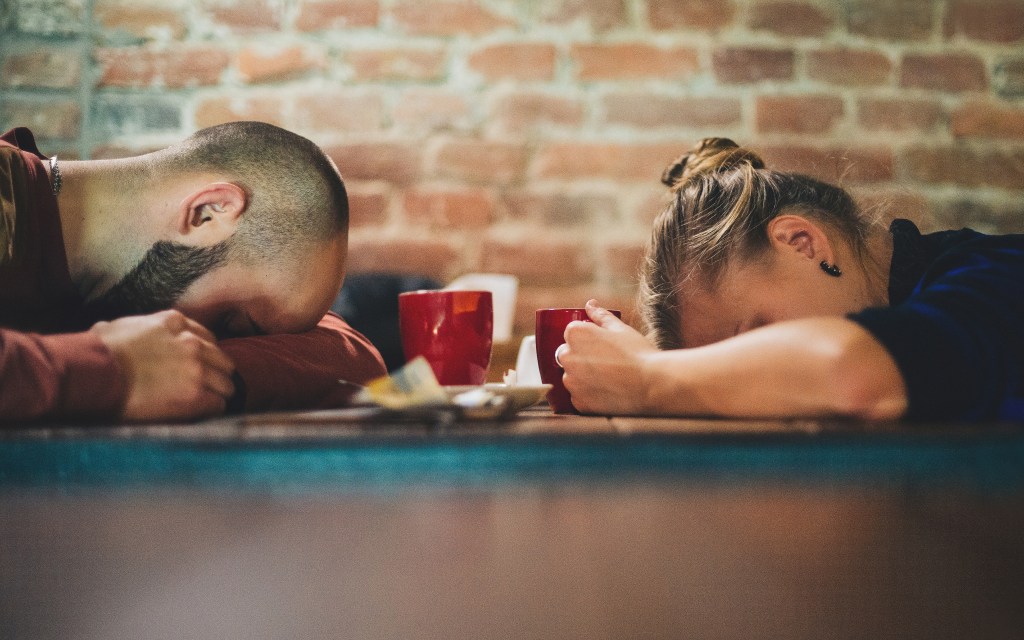
Caffeine hits differently when you’re already tired. Sleep‑deprived brains are more sensitive to stimulants. Your adenosine system is backed up, and caffeine jams the brakes even harder. That can feel like anxiety, even if it’s just your biology begging for rest.
Caffeine’s half‑life is roughly five hours, but that can stretch to nine depending on your metabolism. That innocent 2 p.m. espresso can still be in play at midnight and may fuel your caffeine and anxiety suspicions…
Try this: Stop caffeine eight hours before bedtime. If you’re underslept, lower your intake instead of increasing it. It feels backwards, but it works.
5. Your Genes: The Hidden Caffeine Filter
Some people metabolize caffeine fast (CYP1A2 gene). Others, not so much. If you’re a slow metabolizer, caffeine hangs around your system longer and can amplify anxiety, disrupt sleep, and raise blood pressure.
Another gene, ADORA2A, influences how sensitive you are to caffeine’s anxiety effects. If you carry a certain variant, caffeine can light up your brain’s panic circuits faster than it boosts your focus.
Try this: You don’t need a DNA test to notice your patterns. If small amounts of caffeine spike your stress, your genes are probably nudging you to dial it down.
6. Hormones & Life Stage: It’s Not Just in Your Head
Your hormonal profile changes how you react to caffeine.
- During pregnancy, caffeine is cleared more slowly and builds up.
- Oral contraceptives also slow metabolism.
- Perimenopause or menopause can magnify caffeine’s effects on sleep, mood, and palpitations.
- Teen brains are still developing, meaning they feel caffeine highs and lows more dramatically. Caffeine and anxiety can definitely go hand in hand here.
Try this: If your life stage has shifted (new cycle, new pill, new decade), reassess. You might need less than you did last year.
7. Caffeine and Anxiety vs Meds and Conditions
If you live with panic disorder, caffeine can trigger or worsen attacks. Clinical studies even use caffeine “challenges” to provoke panic for research purposes.
And if you’re on medications like fluvoxamine, propranolol, or benzodiazepines, caffeine can either get amplified or interfere with how your meds work. That means more side effects, not more energy.
Try this: If your anxiety or meds shifted recently, be extra cautious. Log your reactions after caffeine and keep tracking anxiety, mood, and sleep. Adjust slowly and learn from your stats.
8. Food Status: Don’t Drink It Fasted
Downing caffeine on an empty stomach is like lighting a match in dry grass. It’s absorbed faster, spikes harder, and can cause nausea or adrenaline surges.
Try this: Pair your caffeine with protein or healthy fats. Think eggs, Greek yogurt, or nut butter toast. Alternatively, you can delay your drink until you’ve eaten something. This can change the way you experience caffeine, anxiety, or physical reactions.
9. Stress Load: Caffeine Stacks on Top
If you’re already under pressure due to tight deadlines, emotional overwhelm, and life chaos, caffeine can push your system from stressed to flooded.

Remember a tight chest or a restless scrolling spiral? That’s your body telling you it’s overloaded. Not necessarily weak or tired, but overstimulated for sure.
Try this: On high‑stress days, lower the dose or skip it altogether. Go for a walk, try a brief breathwork session, call a friend, or prepare a healthy snack.
And caffeine rarely shows up alone anymore. Some drinks mix in extra stimulants or “calming” compounds. There are even niche options people search for, which can change the way your body reads “energy.” (i.e., Mitragynine beverage wholesalers near me)
Pick Your Vehicle: The Calm-to-Spicy Ladder
The role caffeine and anxiety play in your body and brain depends on more than just how much you drink. What you drink and the specific source make a huge difference in how you react.
Here’s your calm-to-chaos spectrum, from soft landings to full-throttle spirals:
- Green tea or matcha: Lower caffeine, high L-theanine. Smooth focus, no crash and a great entry point if you’re sensitive.
- Paper-filtered Arabica: Classic pour-over or drip. Balanced and antioxidant-rich, with fewer jittery side effects than espresso or cold brew.
- Espresso: Small but mighty and fast-acting. Great for performance, not so great if you’re already wired.
- Cold brew: Looks mellow, but isn’t. Often packs more caffeine than a double shot, especially in large servings. Add sugar, cream, and other extras, and you will not even suspect it.
- Energy drinks: Unpredictable doses, artificial sweeteners, and many hidden extras make it a caffeine and anxiety bomb in a can.
Instant Coffee: Convenient, But Watch the Scoop
Instant usually has less caffeine than brewed coffee, but only if you use a level teaspoon. Most people heap it, which makes your dose jumpy. Plus, many instant blends lean toward Robusta.
Robusta beans have almost double the caffeine of Arabica. That’s great for a wake-up slap, not so great for anxious minds. If you want focus without the firehose, go Arabica.
Try this: Stick to measured servings, skip the sugary sachets, and try adding L-theanine if your nervous system feels twitchy. Track, notice, and then act on your insights.
And if you want to keep your brain calm and alert? The next section shows you how timing can make all the difference.
Timing That Protects Mood and Sleep
You don’t necessarily need to quit caffeine to lower your anxiety, but you do need to time it right.
Most people think anxiety comes from the coffee itself. But often, it’s when you drink it that pushes you over the edge. That third espresso at 3 p.m.? It does more than mess with your sleep. Long after your last sip, it keeps your nervous system on high alert, even if you don’t really feel it.
Here’s what to know:
#1 Delay Your First Cup
Your cortisol naturally spikes 30–45 minutes after waking. Layering caffeine on top can make you feel more wired than awake. Try waiting 60–90 minutes before your first hit. It feels weird at first, but it keeps your stress hormones from doubling down.
#2 Set a Personal Caffeine Curfew
Caffeine’s half-life is about 5–6 hours, but a quarter of it can still be active after 12. That’s why anxiety creeps in at bedtime, even if you “fall asleep fine.” Cut off caffeine at least 8 hours before bed, 10 if you’re sensitive or running on poor sleep.
#3 Respect Your Recovery Days
If you’re already anxious, underslept, or in recovery mode, your tolerance is lower. What felt fine last week might hit too hard today. Caffeine and anxiety don’t always go hand in hand. But when your timing is off, even a small dose can tip the balance.
Map Your Caffeine and Anxiety Profile
Caffeine and anxiety feel unpredictable until you zoom in on a few key signals. This mini-check only takes a few minutes. It helps you spot what’s working, what’s not, and what to adjust before your next cup.
Here are five quick checkpoints to build your own profile:
#1 Notice How Sensitive You Are
Think about the last few times you felt on edge. Was caffeine involved? Did a single cup make you jittery, or did it take a double shot to even register? Did you mix caffeine from different sources, such as energy drinks, iced tea, coffee, and other beverages? Observe how quickly you react to what and how much.
#2 Track Your Current Sleep Load
If you’re running low on rest or waking up multiple times a night, your nervous system may already be in defense mode. Add caffeine on top, and you might feel more agitated than alert.
#3 Calculate the Actual Dose
Pull up yesterday in your mind. One coffee in the morning, another mid-morning, maybe green tea in the afternoon, or a square of dark chocolate? It adds up fast. Once you pass around 300 mg, anxiety can climb without warning.
#4 Scan The Timing Pattern
When do you usually drink caffeine? Right after waking, during a dip in energy, or late in the day to push through? Drinking during your natural cortisol peak or too close to bedtime changes the effect on mood, focus, and sleep.
#5 Check the current stress backdrop
Some days start in fight-or-flight. If you’re already tense, behind schedule, or emotionally charged, caffeine might tip you into overload. The same dose feels different on calm vs chaotic days. Check your anxiety journal, your AI companion app, or your voice notes for objective data.

When Is It Time to Quit or Call In Backup?
Most people can tweak their dose, shift the timing, or switch from cold brew to matcha and feel better. But sometimes, caffeine and anxiety are more than an annoying combo; they’re a red flag.
If even tiny amounts make your heart race, your chest tighten, or send you into full panic mode, that’s not something to push through. Studies show caffeine can trigger even silent panic attacks in people with the disorder, starting from one regular cup.
If you’re pregnant or trying, your body breaks down caffeine more slowly. That can turn your usual dose into a multi-hour stressor. Same goes if you’re on fluvoxamine or certain meds; they make caffeine hang around way longer.
And if you’ve tried to cut back but it’s messing with your mood, sleep, or work, and you feel anxious most days, it might be more than a habit. Caffeine-related anxiety is real, clinically recognized, and treatable.
FAQ: Mental Health, Caffeine and Anxiety
Can caffeine actually cause anxiety, even if I don’t have a disorder?
Yes. You don’t need to have an anxiety condition to feel anxious from caffeine. High doses—especially over 400 mg per day—can raise anxiety levels in healthy people, according to recent research.
If I feel anxious, should I quit caffeine completely?
Not always. Quitting too fast can cause withdrawal symptoms that feel just as bad—like headaches, restlessness, and mood swings. Most people do better by cutting back slowly or switching to lower-caffeine drinks.
Is there a “safe” amount of caffeine for mental health?
There’s no one-size-fits-all rule. Many people stay under 400 mg per day without issues. But if you’re sensitive, even one coffee can be too much. What’s safe for your mental health depends on your stress, sleep, genes, and baseline anxiety.
Does caffeine hit harder if I already have anxiety or panic disorder?
Yes. People with anxiety disorders are more likely to react strongly, even at lower doses. In some cases, caffeine can trigger full-blown panic attacks.
Can caffeine affect mood or depression too?
It can. Some studies show that moderate coffee intake is linked with lower depression risk. But the results aren’t consistent, especially in younger or more vulnerable groups. Caffeine may help or hurt, depending on the person.
Can caffeine actually cause a mental health disorder?
Yes, in rare cases. The DSM-5 lists caffeine-induced anxiety disorder as a real condition. It happens when caffeine directly triggers anxiety symptoms or panic that wouldn’t otherwise occur.
Does caffeine interact with psychiatric meds?
It can. Some meds, slow down how your body clears caffeine, which makes the effects stronger and longer-lasting. That can lead to side effects like insomnia, irritability, or jitteriness.
Can caffeine cause serious mental health symptoms, like hallucinations?
In very high doses or very sensitive individuals, yes. Rarely, caffeine can cause symptoms that look like psychosis, such as confusion, paranoia, or even hallucinations. These are extreme cases, but they’ve been documented.
Is caffeine riskier for teens or students under pressure?
Yes. Young people process caffeine differently, and their brains are still developing. Studies show that high caffeine intake in teens is linked with more anxiety, trouble concentrating, and even behavior problems at school.
Caffeine and Anxiety: The Real Buzz
As it turns out, caffeine is neither the villain nor the hero in your mental health. It’s the amplifier. Whatever’s already happening inside you, such as stress, excitement, or exhaustion, just turns the volume up. Once you know your pattern, the power’s back in your hands. You choose whether that next beverage sharpens your focus or shakes your peace.
Now stop scrolling and listen to your heartbeat before your next sip!
