


Entrepreneur, Senior Leader & Ecosystem Builder with a degrees in Music, Psychology, Digital Mgmt & Transformation. Co-founder of the Music Factory and Earkick. Life-long learner with a deep passion for people, mental health and outdoor sports.

What You May Secretly Ask Yourself
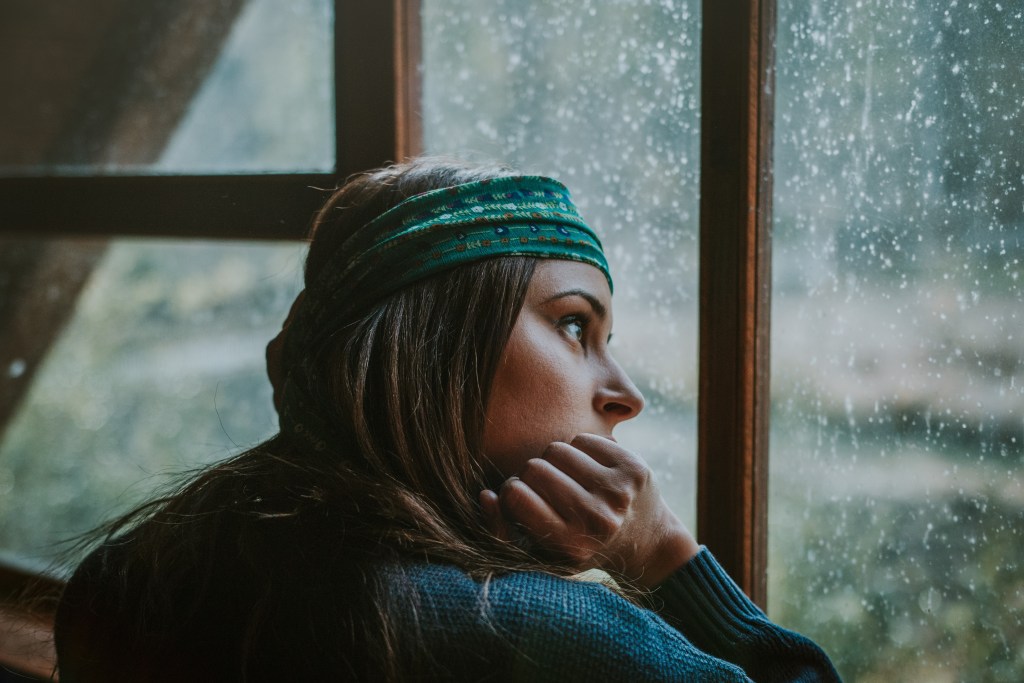
“Why do I find comfort in sadness?” might be something you confess to your AI therapy chatbot, not say out loud to others. But it lingers, especially in quiet moments. You’re functioning, maybe even succeeding, but there’s a part of you that keeps circling back to a familiar heaviness. A sad song. A melancholic memory. A mood that, oddly enough, feels safe.
If you’ve ever caught yourself wondering why it sometimes feels good to be sad, or why happiness can feel suspicious, you’re not making it up.
This article is here to give those questions real space. Not to fix you, label you, or pull you toward toxic positivity. Instead, we’ll explore why sadness can feel like home and why some people miss depression once it lifts. Let’s dig deeper into how these emotional patterns form and how they can shift.
The real breakthrough may not mean you have to change how you feel or accept a sad life. But you may progress by understanding why you feel what you feel.
1. Why do I want to be miserable?
When it comes to mental health, no one really talks about the part where misery starts to feel weirdly comfortable. You don’t wake up wanting to be miserable, but there’s a pull. You replay old mistakes. You expect things to fall apart. You self-sabotage or diffuse the good before it even has a chance.
At some point, misery stopped being just a feeling and started acting like protection. Maybe you learned early on that joy didn’t last, or that letting your guard down meant getting hurt. So now, staying low feels like staying safe.
It’s not that you want to suffer. You don’t crave pain. You crave control. And misery gives you a strange kind of control—over your expectations, over how much hope you’ll allow, over the story you tell yourself.
But even control has a cost.
And if you’re reading this, there’s likely a part of you that’s tired of paying it. Or you realized it while typing back and forth with your free AI chatbot.
2. Why do I miss being depressed? – Missing the numbness, not the pain
This question can feel alarming yet it has a logical root. Depression often flattens emotional extremes. There’s no pressure to perform, no surprises, no heartbreak. When you start to feel better, the reintroduction of uncertainty, risk, and even joy can feel destabilizing.
You don’t miss the tears. You miss the relief of lowered expectations.
You miss the stillness because it was familiar. And familiarity, even when painful, often feels safer than hope.
3. Am I addicted to sadness?
If you feel “addicted to sadness” it doesn’t mean you are asking for suffering, let alone you enjoy it. It usually means sadness plays a role in your emotional system as beautifully shown in Inside Out 2.
Maybe sadness slows the world down. Maybe it draws people in. Maybe it gives you permission to rest or reflect or simply feel something real. If you’ve spent years managing pressure, people-pleasing, or suppressing anger, sadness can be the one emotion that’s allowed to exist without shame.
That means sadness has functioned as a coping mechanism. But if it’s the only emotion that feels safe to reach for, it may be time to explore what other feelings got buried along the way.
4. Can you be addicted to depression?
No. Not in the clinical sense of “addicted”. Depression doesn’t light up the brain’s reward system the way substances or gambling do. But that doesn’t mean it can’t become something you hold onto—even when it’s quietly ruining you.
For some, depression settles in like background noise: persistent, dull, oddly reliable. The routines it creates—isolating, numbing, withdrawing—may not feel good, but they feel known. And known is easier to manage than hope, which can disappoint.
You’re not chasing pleasure. You’re choosing predictability over chaos because your brain learned to favor the emotion it could prepare for.
5. Why does depression feel comfortable?
Psychologist Peter Lewinsohn, who developed one of the most influential behavioral models of depression, suggested that when life offers fewer and fewer sources of meaningful reinforcement—connection, pleasure, a sense of purpose—you start to disengage.
That disengagement brings temporary relief. Less effort, less risk. But it also feeds the very cycle that deepens the depression. The result? A loop that feels safer to stay in than to break.
In this way, depression offers predictability rather than real comfort or a high.
It stops being a storm and becomes the weather forecast.
And when that happens, even a sunny day can feel threatening.
So, why do we find comfort in depression? These are some of the most common reasons it becomes a place you stay:
- It becomes part of your narrative: “This is just who I am.”
- It creates emotional consistency: no spikes to manage, no crashing highs.
- It softens expectations from others, and from yourself.
The more you orbit around these beliefs, the harder it becomes to imagine a life outside them. But comfort may not bring peace. It may just be what you’ve survived long enough to call normal.
6. Why do I enjoy feeling sad?
It sounds counterintuitive at first, like something must be wrong with you if you enjoy a heavy feeling. But there’s more to the notion that you enjoy feeling sad.
Sadness, in certain moments, can actually bring relief. It slows everything down. It invites reflection. It gives you permission to stop pretending everything’s fine. And sometimes, that pause—however melancholic—feels more real than anything else.
7. Why does it feel good to be sad?
There’s real science behind sadness feeling good.
Sad music, for example, activates parts of the brain tied to memory, empathy, and imagination. That’s why a heartbreaking melody can make you feel deeply connected—to yourself, to others, or to a version of you that once existed.
Researchers have even identified a sensation called aesthetic chills—that shiver or goosebumps you get from emotionally charged poems, songs or movies. It’s the body’s way of reacting to beauty, vulnerability, or truth. That emotional resonance feels good, even when it carries sorrow.
And then there’s crying.
8. Can you be addicted to crying?
Crying doesn’t just express emotion, it also regulates it. Tears can release oxytocin and endorphins, calming your nervous system and producing that subtle “after the storm” feeling of release. It’s not just cathartic. It’s chemical.
So if you’ve ever asked, “Why do I like depressing things?” or “Why do I enjoy being sad?” while the tears are still drying, the answer might be:
because those things feel true.
They hold space for emotions the world often rushes past. They give shape to what’s inside you, even when words fall short.
Enjoying sadness, crying, or even fleeting moments of unhappiness doesn’t mean you’re wrong or weak. It means you’re wired for depth. You seek resonance in a world that rarely makes room for it.
9. Why do I want to be sad when I’m happy?
It’s unsettling. Things are going well. You’re laughing, relaxed, maybe even proud of yourself. And then out of nowhere, there’s this tug. A familiar weight. Almost like your brain wants to dial the mood down, pull you back to something quieter, heavier.
Craving sadness in moments of happiness is about regulation. Maybe joy feels unstable or undeserved. Especially if happiness hasn’t been the norm, your nervous system might interpret it as too fast. So it reaches for a feeling that feels more manageable. Sadness becomes a way to self-correct, to ground yourself.
Here’s a simple example:
You’re out at a birthday dinner with friends, genuinely having a good time. Then the thought creeps in: “This won’t last.” Or “Remember when things weren’t like this?” Suddenly, you’re replaying old heartbreaks or losses in your head.
You’re not trying to ruin the moment—but your brain is trying to lower the stakes before something else does. It’s a quiet kind of emotional preemptiveness:
“If I bring myself down first, I won’t be caught off guard.”

No, this doesn’t mean you’re broken. It means your system learned that joy comes with risk. And it’s trying, clumsily, to keep you safe. The key is noticing it, naming it, and gently reminding yourself: not every good moment needs a warning label.
10. What is it called when you like being sad?
Even though the experience is real, there’s no official diagnosis for it. If you often find yourself looping sad songs, lingering on past hurts, or replaying the worst-case scenario even when things are okay, it might feel like you like being sad. Maybe it even looks like being addicted to unhappiness.
Psychologists sometimes refer to this pattern in terms like dysthymia—a persistent low mood—or self-defeating behaviors, where emotional pain becomes the default setting.
Unfortunately people even get blamed for allegedly being obsessed with sadness because they’re seen searching sadness out in music, books, or online spaces that seem to validate your heaviness.
In pop culture, this shows up as “sad girl” aesthetics, doom scrolling, or romanticizing emotional pain.
But sadness itself isn’t the problem. It’s when you build your identity around it, when it becomes the only emotional language you speak, that it starts to hold you back.
You don’t have to stop feeling sad. But it’s worth asking:
What makes me sad?
Is this sadness helping me understand myself—or just keeping me stuck in place?
11. Why is it easier to be sad than happy?
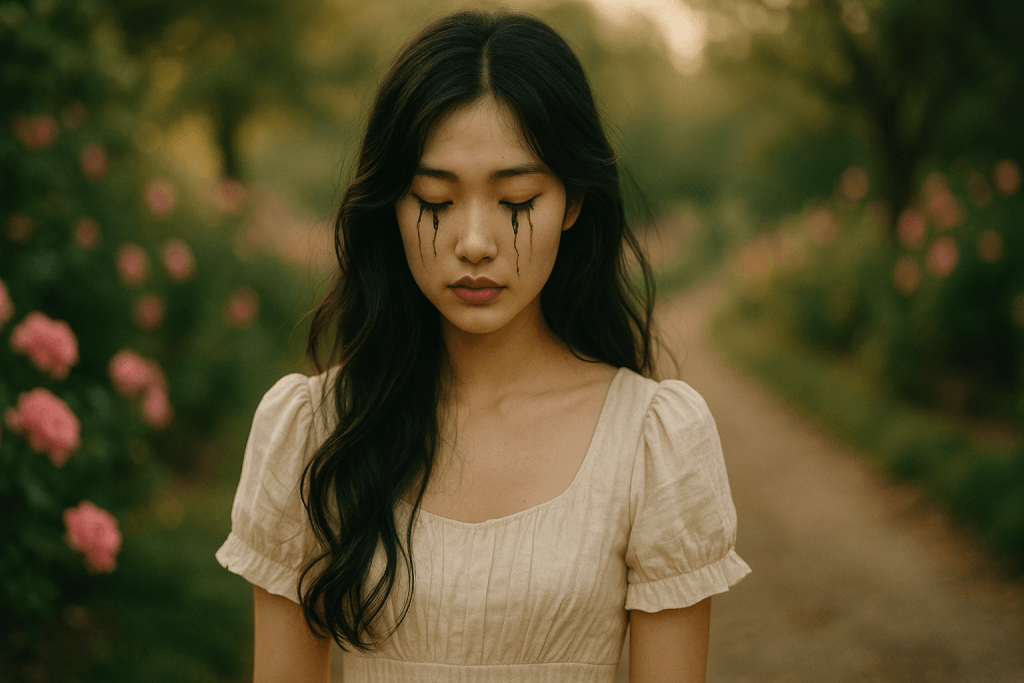
Sadness often feels easier because it asks less of you. It’s quiet, familiar, and internal. Happiness, on the other hand, requires more—it asks you to show up, take emotional risks, stay open to connection and disappointment. After enough sad moments in life, it’s natural to retreat into the feeling that feels safest. And no, being sad is not always a choice. But staying there—especially when small, manageable shifts are within reach—can quietly turn into a habit.
12. Why it’s okay to be sad after making the right decision
You can make the healthiest, bravest, most necessary choice—and still feel heartbroken. Ending a relationship, quitting a draining job, or moving on from something that no longer fits, can be be followed by sadness. Yes, even when it’s the right, the best step forward.
Does it mean you chose wrong? Not at all. It means you’re grieving the version of you that stayed. Letting go of something—even something harmful—still creates space where something once lived. And sadness simply marks that space.
So, What Now?
If sadness has become your emotional default and you want to shift it: Start by giving other feelings a seat at the table, too. Here’s how:
#1 Track it With Intention
Log when you’re sad and note what triggered it. A conversation? A song? A memory? Patterns reveal openings. What other emotions and thoughts are you experiencing? Speak, write or video it to collect data as it happens. Vent or talk it out with an AI therapist tool.
#2 Inject Micro-Joy
No need to fake a smile or force gratitude. Just start small: five minutes of sunlight, a funny video, or texting someone you trust. Tiny doses of joy remind your brain that more is possible. Double down on the micro-joys that work best for you. Then find new ones until you have a beautiful collection for every occasion.
#3 Choose Your Response
Sadness may arrive uninvited, but how you relate to it is still your choice. Pause, breathe, or say,
“I see you, but I’m still going to get up and move.”
Use it as an act of quiet power.
#4 Talk It Out. Without Pressure
Get a conversation going. With a therapist, an interactive journal, or your favorite AI companion for mental health. Expressing your sadness is healthier than trying to suppress or outthink it. Rather than trying to fix it, try unfolding it.
Make Sadness a Guest, Not a Landlord
Yes, you’re allowed to find comfort, truth, or even beauty in sadness. Just don’t let it become the only place you live. As part of the emotional palette, sadness can be rich, instructive, sometimes beautiful. The problem is when it monopolizes the canvas.
Once you understand why it shows up you have the freedom to walk with it, rather than live under it. And that’s how you begin to make space for brightness, for softness, for joy. Even the quiet kind.
Now stop scrolling and give yourself a big hug!
