

Entrepreneur, Senior Leader & Ecosystem Builder with a degrees in Music, Psychology, Digital Mgmt & Transformation. Co-founder of the Music Factory and Earkick. Life-long learner with a deep passion for people, mental health and outdoor sports.

You’ve tried it all. Chamomile tea. Blackout curtains. Melatonin gummies. Even the trick where you hide your phone in another room (which, let’s be honest, lasted about three nights). And still, you’re staring at the ceiling at 2 a.m., brain buzzing like a group chat you never asked to join. You’ve even vented to your AI therapist app about it as it encouraged you to take sleep fitness serious.
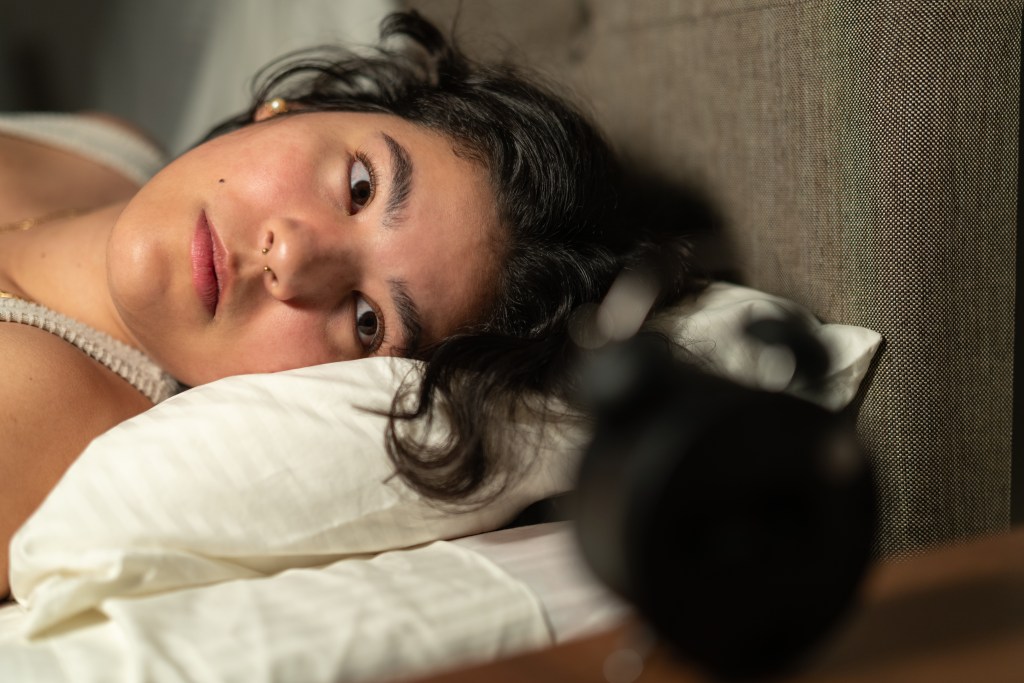
One in three American adults struggles with sleep, and that number hasn’t changed in over a decade. Which is strange. We know more than ever about sleep. We have smart alarms, white noise playlists, and a whole section of TikTok devoted to sleep hacks. So why are so many of us still tired?
What if the problem isn’t just you but everything around you?
This guide is here to walk beside you. It’s not intended to add more rules or make you feel like a failure. But to help you understand what sleep fitness really means, what science says about the patterns behind your fatigue, and which small steps can actually move the needle.
What is Sleep Fitness and Why Does It Matter?
Sleep fitness means having healthy sleep habits across several key areas. That’s not just how long you sleep, but also when you sleep, how deeply you rest, how alert you feel during the day, and how consistent your routine is. Researchers now use this “whole-picture” approach to measure what makes sleep truly restorative.
Just like physical fitness, sleep fitness is something you can build over time. And it matters: studies show that people with higher sleep fitness scores have better focus, stronger immunity, fewer mood swings, and even lower risk of long-term health problems like heart disease or depression. In short, sleep fitness is the foundation for how well you think, feel, and function—every single day.
So why are we still stuck on outdated ideas like needing exactly eight hours?
Let’s take a closer look at some of the most common sleep myths that could be holding you back.
Sleep Fitness Myth: “You just need 8 hours”
We’ve all heard it. Get your eight hours. It’s in every wellness blog and baked into every productivity routine. It’s easy to forget that this number isn’t magic.
What the Science Says About Sleep Fitness
- Large-scale studies show that the lowest risk of death and chronic illness is around seven hours, not eight.
- Some people function best with 6.5 hours. Others need nine.
- Your sleep needs are shaped by age, genetics, hormone cycles, and stress, not just mere willpower.
If you wake up naturally after 6.5 hours and feel fine, that’s not a failure. If eight hours still leaves you groggy, the issue may be sleep quality or a mismatch between your routine and your biological clock. Or you may be experiencing the onset of an infection.
Why this Sleep Duration Myth Backfires
Forcing yourself to hit eight hours can make things worse. People lie in bed longer, track every movement, and start obsessing over sleep. That kind of pressure creates what experts now call orthosomnia, a form of sleep anxiety fueled by the need to “get it right.”
#1 What You Can Try Today
Think of sleep like fitness in the best way possible. There’s no perfect score, just what works for your body. You’re excited to explore what works for you at your own pace.
Use your journal or tracker app to experiment with your ideal rhythm. Try this:
- Sleep around 6.5 hours for three nights
- Then try seven hours for three nights
- Then try 7.5
Each morning, rate your mood, focus, and energy. Not just the number of hours. This is how you begin building real sleep fitness. You notice what helps you recover, rather than what looks good on a tracker.
Sleep Debt Is Real But Fixable
If you’ve ever felt like one bad night of sleep ruins your whole week, there’s a reason: it’s called sleep debt.
What is sleep debt?
Sleep debt is the result of consistently getting less rest than your body needs. Rather than about that one bad night it is about repeated shortfalls that add up. Think of it like this: if your body needs seven hours and you sleep only five, you’ve “borrowed” two hours from your system.
Do that for three nights and you’re carrying six hours of sleep debt by the weekend. The more debt you accumulate and the longer you wait to get back in the green, the harder it gets to restore a healthy balance.
If you’ve ever felt wired but slow, emotional for no reason, or like you’re reaching for caffeine just to feel normal, you know what’s cooking. That’s your brain running on fumes.
Why it Matters for Sleep Fitness
Sleep debt messes with mood, focus, immunity, appetite, and even blood sugar. It makes small problems feel bigger and big problems harder to handle. And no, you can’t fully erase sleep debt with one long weekend sleep-in. The body doesn’t “store” sleep like a battery. What helps is consistency going forward.
#2 What You Can Try Instead
Use a sleep debt calculator or track your sleep over a week using an AI for mental health. If you’re constantly falling short of your ideal hours, try adding back just 30 minutes a night for a few days in a row. Small steps matter and the tool can keep you motivated.
And if you’re wondering where to even begin, start with the next section. Forget about the fancy supplements or the perfect pillow. It’s about the four biggest forces stealing your sleep and how to take some control back.
Four Forces That Steal Sleep (and Aren’t Your Fault)
Most sleep advice focuses on what you should do differently. But here’s what rarely gets said: many people literally can’t get better sleep because life won’t let them.
Let’s name the real culprits.
Rigid Schedules
You’re up at 5 a.m. to beat traffic, punch in early, or juggle childcare. Your body may not even be ready to fall asleep when you need it to.
#3 What You Can Try Instead
Create a short wind-down routine that starts 20 minutes before bed, even if your schedule is tight. This tells your body “we’re switching gears now,” which helps shorten the time it takes to fall asleep.
Money Stress
Working multiple jobs, worrying about bills, or taking on freelance work late into the night keeps your brain in alert mode. Even when you’re in bed, your nervous system is still in work mode, tied up in financial anxiety.
#4 What You Can Try Instead
Try a 2-minute “worry dump” in a notebook. Write down everything that’s on your mind—without solving it. Externalizing stress helps the brain downshift into rest mode. That’s where you get a change to recharge and get new ideas so you can tackle the problems at hand with more creativity.
Cultural Pressure
Messages like “sleep is for the weak” or “I’ll rest when I’m dead” are still floating around. And if you’re ambitious or in a high-performance role, it can feel like sleeping is a waste of time.
#5 What You Can Try Instead
Flip the script. Sleep is performance fuel. It boosts decision-making, memory, and creativity. Even elite athletes treat sleep like training. You can too. Turn it into your competitive advantage.
Digital Overload
The average person checks their phone 144 times a day. The endless scroll keeps your brain in input mode, and that blue light delays your natural melatonin release.
#6 What You Can Try Instead
Leave your phone in another room. Set an app-based wind-down reminder. Go for a nighttime self-check-in instead and remind yourself that you deserve rest. And if you really can’t fall asleep, listen to a calming podcast or soothing soundscapes. Your phone can still stay out of the room and your eyes get a rest.
When Tracking Starts Making Sleep Fitness Worse
Sleep data can be helpful—until it isn’t.
If you’ve ever woken up feeling fine but then checked your tracker and suddenly felt tired because the score was low, you’ve gotten a taste of it. That’s the trap of orthosomnia or sleep anxiety driven by trying too hard to get perfect sleep data.
Solutions like Eight Sleep, trackers or wearables can offer useful insights, but they’re not medical tools. Even sleep researchers don’t diagnose based on nightly fluctuations.
#7 What You Can Try Instead
Stop checking sleep scores first thing in the morning. Instead, check in with your body. How do you feel? Let your energy be the guide and get a sense of yourself before consulting the stats.
When Poor Sleep Tanks Your Mood
If you’ve ever felt low, irritable, or emotionally fragile after a bad night’s sleep, that’s not a coincidence. It’s brain chemistry.
Sleep and mood are deeply connected—and it’s not just that anxiety or depression causes sleep issues. It often works the other way around.
What the Science Shows
Long-term studies reveal that insomnia can double your risk of developing depression. In fact, sleep problems often come first—sometimes months or years before a mood disorder is diagnosed. Lack of sleep also affects how you process emotions, making small stressors feel much bigger.
That means fixing your sleep isn’t just about feeling more rested. It’s a real, evidence-based way to protect your mental health.
#8 What You Can Try Instead
- Keep a quick emotion log after nights of poor sleep. Track whether you feel more reactive, sad, or foggy. Noticing patterns helps you respond rather than spiral. Discuss your learnings with someone you trust, share your insights and start helping others.
- Don’t wait until things feel “bad enough” to address sleep. Working on it early is a form of prevention, not a luxury. Once you get the hang of it, you’ll enjoy building up sleep fitness.
Sleep Fitness Signals: When Your Body Sends a Wake-Up Call
Your mood, your circumstances, your body, how you think and feel—it all keeps interacting with each other and sending cues. That’s useful intel. Seeing which aches or off feelings crop up after short, irregular, or restless nights helps you spot patterns and fine-tune your own “sleep-fitness dashboard.”
Think of these symptoms as data points: the more you connect them to how you slept, the faster you can adjust your routine instead of guessing what went wrong. Here are three of the most common body cues to watch:
Can Lack of Sleep Cause Headaches?
Yes and it’s more common than you think. When you don’t get enough sleep, the brain’s pain regulation system gets thrown off. That can lead to tension headaches, migraines, or that heavy, foggy feeling behind the eyes.
People who already get migraines are especially sensitive to even small disruptions in sleep patterns.
For example, skipping just one hour of rest can be enough to trigger an episode the next day. If you’ve ever woken up with a headache after a rough night, that’s not random but biological.

Can Lack of Sleep Cause Nausea?
It can. Poor sleep affects your autonomic nervous system, the part that keeps your digestion, heartbeat, and breathing in balance. When sleep is cut short, that system gets dysregulated, which can lead to nausea, stomach cramps, or appetite changes. You might notice you wake up feeling queasy or that your stomach feels “off” all day. It’s the body’s way of saying, “I’m not fully recharged yet.”
Can Lack of Sleep Cause Dizziness?
Definitely. Sleep deprivation messes with the brain’s ability to manage balance, focus, and coordination. That’s why you might feel lightheaded, unsteady, or even like the room is spinning slightly after a string of bad nights. Your brain is literally struggling to process sensory information and stay upright. So, it’s not “just in your head”!
Bridge
Why Tools That Help Are Hard to Stick With
Not all sleep tools are created equal. Some are backed by years of research. Some are quick fixes. Most sound easier than they are, especially when you’re exhausted and running on fumes.
Here’s a breakdown of what works, what tends to go wrong, and how to make each option more doable in real life.
Sleep Fitness Tier 1: CBT-I
CBT-I or Cognitive Behavioral Therapy for Insomnia) is the gold standard. It’s a structured 5- to 6-week program that helps you rewire unhelpful thoughts and habits around sleep. Studies show it can be more effective long-term than medication and without the side effects.
The catch: One of the first steps is called “sleep restriction,” where you limit your time in bed to boost sleep pressure. It often works but it feels brutal in the beginning. That’s why many people drop out before they see results.
Sleep Fitness Tier 2: Mindfulness and ACT
If CBT-I feels too intense, mindfulness or ACT (Acceptance and Commitment Therapy)
might be a better fit. Both teach you to stop fighting sleeplessness and instead refocus on the present moment through body scans, breathwork, or guided acceptance practices.
The challenge: These tools are simple in theory but hard to do when you’re lying awake at 2 a.m. with racing thoughts. Without structure or support, most people give up.
How to make it stick:
Use audio guidance and sessions can walk you through short practices designed for middle-of-the-night moments. No scrolling or second-guessing. Pick a familiar voice that helps you stay grounded and calm.

Sleep Fitness Tier 3: Medication
For some people, sleep meds are a helpful bridge. They can offer relief during a tough stretch, or give your brain the pause it needs when nothing else is working.
The hesitation: Many worry about becoming dependent and that’s a valid concern. Research shows that long-term use of some sleep medications, especially older ones like benzodiazepines and Z-drugs, can lead to tolerance and withdrawal symptoms. That’s why experts recommend using them only short-term, ideally for a few weeks, and always under medical supervision.
How to make it stick (safely):
Think of meds like a cast on a broken arm. It’s not a cure, but a stabilizer while you build longer-term skills. Before starting, talk to your doctor about how long you’ll take them and what the off-ramp looks like. If possible, begin CBT-I or mindfulness work in parallel, and track how your sleep changes with and without the medication.
One Last Thought On Sleep Fitness
If you’ve made it this far, sleep probably isn’t just a side note in your life. Maybe it’s the thing that keeps slipping just out of reach. Maybe you’ve already tried tracking, journaling, venting to apps, or pretending it’s fine. But the fact that you’re still looking means something. It means you’re ready to move from chasing perfect sleep to building real sleep fitness.
Not the kind that gets scored or judged, but the kind that gives you space to think clearly, feel steady, and handle what matters. Start with what’s in reach tonight.
And let that be enough.
Now stop scrolling and try one thing tonight—just one!
