

Entrepreneur, Senior Leader & Ecosystem Builder with a degrees in Music, Psychology, Digital Mgmt & Transformation. Co-founder of the Music Factory and Earkick. Life-long learner with a deep passion for people, mental health and outdoor sports.

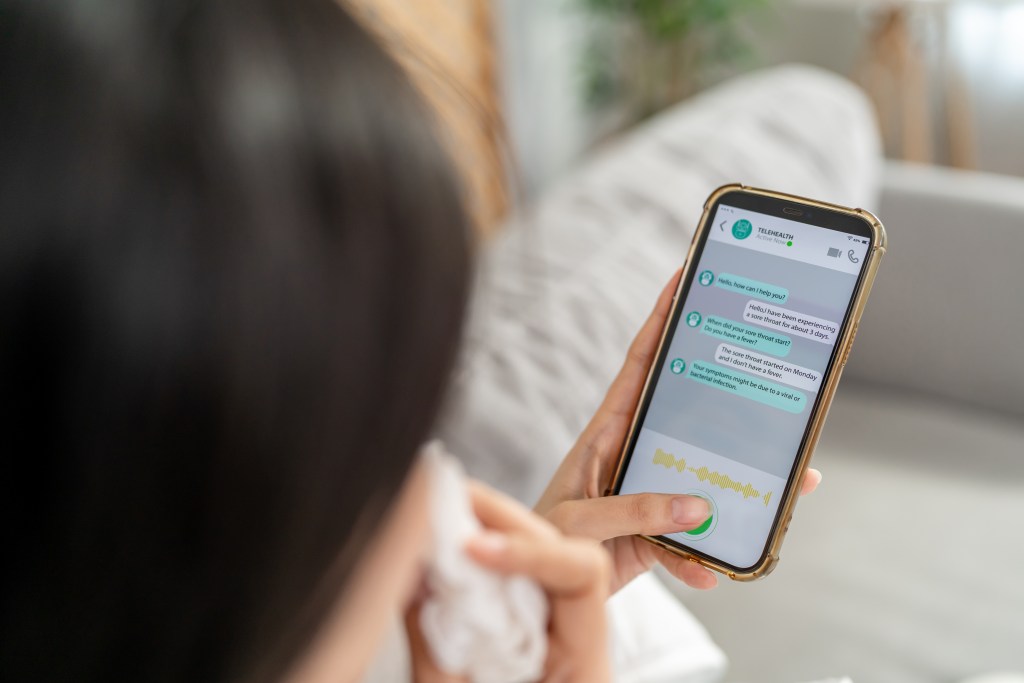
It is late, you feel something’s wrong, and the only thing awake with you is your phone. You open a mental health app, record how you feel, follow a breathing exercise, and notice the panic begin to loosen.
That experience is timely, and it matters. A digital tool does not need to cure an illness to be useful. Its value often lies in helping you get through the next ten minutes, recognise a pattern or decide that it is time to seek professional support.
Research broadly supports that role. Systematic reviews of randomised trials have found that well-designed digital mental health interventions can reduce symptoms of depression and anxiety, with benefits that are generally greatest when digital tools complement, rather than replace, clinical care. The benefits are not uniform, however. They vary by condition, intervention and level of human support, while the quality of evidence remains mixed across products.
Mental health apps can help. At the same time, their limits become most visible at the point where a person needs care from another person.
Mental Health Apps Have Opened an Important Door
For decades, mental health systems struggled with a familiar problem: many people did not seek help until their symptoms had become severe. Shame, cost, distance, uncertainty and long waiting lists all kept people away.
Digital mental health has lowered some of those barriers. A phone can offer a private first step to someone who is not ready to call a clinic. It can provide structured exercises outside office hours and reinforce skills between appointments. Digital mental health tools can also help people put words and numbers around experiences that otherwise feel vague.
Repeated mood, sleep and symptom check-ins may reveal patterns that are difficult to notice in the moment. You might see that anxiety rises after several nights of poor sleep, that certain situations reliably precede a low period or that symptoms have been worsening for longer than they realised. Self-tracking and self-monitoring can support awareness and give you and clinicians more concrete information to discuss.
That is valid clinical value, even when the app itself is not delivering clinical care.
Where Digital Mental Health Adds the Most Value
The strongest case for mental health apps is that they extend support into the large spaces where treatment is absent.
Support in the moment
Distress does not follow clinic hours. Grounding exercises, guided breathing, journaling prompts and evidence-informed coping techniques can help a person respond to difficult emotions when no appointment is available.
These interventions are particularly useful when they are presented as tools rather than promises. A breathing exercise can reduce immediate arousal. Yet it does not resolve the trauma, financial pressure, relationship conflict or psychiatric condition contributing to that distress.
Earlier recognition
Apps can make changes more visible. A gradual decline in sleep, energy or motivation is easy to dismiss day by day. Displayed across several weeks, the same change may be harder to ignore.
This can encourage earlier conversations with a person you trust. Opening up can happen with a friend or relative. It can become a bridge to finally talking to your general practitioner, therapist, psychologist, psychiatrist or mental health nurse. Your data can also help clinicians understand what happens between appointments rather than relying entirely on your memory of the previous month.
Support between appointments
Mental healthcare rarely succeeds through appointments alone. Much of the work happens in ordinary life: when you practise a coping skill, follow a sleep routine, notice triggers or record how a treatment change affects your symptoms.
Digital tools can support that work without requiring a clinician to be present at every step. Used well, they make limited professional time more productive.
A lower-pressure entry point
Some people are more comfortable beginning with a screen than a conversation. An app may help you learn basic mental health language, reflect privately and prepare to describe what you are experiencing.
The important word is beginning. A digital entry point is useful only if there is somewhere safe for you to go next. And when that next step is more likely to happen.
The Line Software Cannot Safely Cross
A mental health app can detect that you have entered alarming information. It may recommend contacting a crisis service, a trusted person or a healthcare professional. What it cannot reliably do is conduct a complete clinical assessment or assume responsibility for what happens next.
Risk is difficult to capture correctly by one answer on a questionnaire. Clinicians consider the wider picture: what you say, how your behaviour has changed, and whether you have a plan or access to means. They want to understand what support is available, whether substances or physical illness are involved and whether your situation is changing rapidly.
The same need for judgement applies outside emergencies. Symptoms that resemble anxiety may be connected to medication effects, a physical condition, trauma, substance use or another psychiatric disorder. Treatment decisions typically require context, follow-up and accountability.
Apps also differ widely in quality and safety. Research has found inconsistent crisis information among consumer mental health apps, reinforcing why users should not assume that every product is equipped to manage an emergency.
When you are in immediate danger, an app should not be treated as an emergency service. That situation requires urgent human help through local emergency services, a crisis service or an appropriate healthcare professional.
The Bigger Constraint Is the Mental Health Workforce

Digital products can be distributed quickly. Skilled clinicians cannot.
The World Health Organization’s Mental Health Atlas 2024, which collected data from 144 countries, reported a global median of only 13 specialized mental health workers per 100,000 people. The figure varies dramatically by income level and does not show how unevenly professionals may be distributed within a country, but it captures the scale of the shortage.
This is the bottleneck that software eventually reaches.
An app may help thousands of people identify that they need support. It cannot create thousands of appointments, supervise treatment or coordinate care across hospitals, primary care, housing services and community organisations. If there is no qualified professional available for the handover, better detection can simply reveal unmet need more clearly.
The shortage also affects the clinicians already working in the system. Vacancies increase caseloads, reduce the time available for each patient and make continuity harder. Digital tools may relieve some administrative or monitoring work, but they cannot compensate indefinitely for understaffed services.
Growing Capacity Requires More Than One Profession
There is no single workforce solution. Countries need to expand specialist training while making better use of the professionals and community resources they already have.
That includes training more psychiatrists, psychologists and other specialists. It also means integrating mental healthcare into primary care, improving referral links, supporting peer-led services and using task-sharing responsibly.
WHO guidance highlights that effective mental health systems rely on a broader workforce, including trained general health workers, nurses, community health workers, and peer supporters working alongside specialist clinicians.
Mental Health Nurses
Specialist education for nurses is another part of that mix. Mental health nurses often provide assessment, therapeutic support, medication monitoring, advocacy and care coordination, particularly for people whose mental and physical health needs overlap.
Flexible postgraduate routes can help nurses develop those skills without leaving the workforce entirely. For registered nurses already working in mental health settings, Victoria University offers a mental health nursing degree online structured around one seven-week unit at a time. Its curriculum includes trauma-informed care, mental health assessment, pharmacology and care coordination.
Specialisation does not automatically give every mental health nurse the authority to prescribe medication. Prescribing rights depend on the country, professional designation, additional qualifications, clinical governance arrangements and local law. In Australia, for example, nurse practitioners have a distinct, advanced scope of practice, while other registered nurses work within different regulatory boundaries.
The distinction of what different professions can and can not do in mental health is important to understand. Expanding the workforce should never mean blurring competence or accountability. It means training more people for clearly defined roles and allowing each profession to contribute at the level for which it is qualified.
Mental Health Nurses Hold the Whole Picture Together
Mental health difficulties rarely arrive alone. On top of your current challenge, you may also be living with chronic pain. Other factors include unstable housing, medication side effects, family strain or financial insecurity. Each problem can worsen the others.
In these situations, care is not simply a matter of selecting an intervention. Someone must maintain continuity across services, notice when physical and mental health needs collide and help the patient navigate a system that may be difficult to manage even when they are well.
Mental health nurses frequently perform this coordinating role within multidisciplinary teams. They build ongoing therapeutic relationships, observe changes over time and connect information that might otherwise remain scattered across appointments and organisations.

An app can contribute useful data to that process. It cannot own the process.
This is why the future of digital mental health is collaborative rather than fully automated. Technology can handle repetition, reminders, structured exercises and data collection. Clinicians can focus on interpretation, relationships, complex decisions and responsibility.
The two are most useful when each is asked to do the work it can do safely.
Practical Takeaways for People Using Mental Health Apps
Use an app for what it does well: checking in with yourself, practising coping skills, noticing trends and preparing for conversations with a professional.
Look for a clear privacy policy, transparent information about who developed the intervention and realistic explanations of what the product can and cannot provide. Evidence behind one mental health app does not automatically apply to every other app using similar language.
Bring useful records to appointments, but do not feel obliged to produce perfect data. A few observations about sleep, mood, medication, stressors or daily functioning may be more valuable than months of unfiltered numbers.
Most importantly, do not wait for an app to confirm that you are “unwell enough” to seek help. If symptoms are persistent, worsening, disrupting daily life or raising concerns about safety, contact a qualified professional.
Practical Takeaways for Clinicians
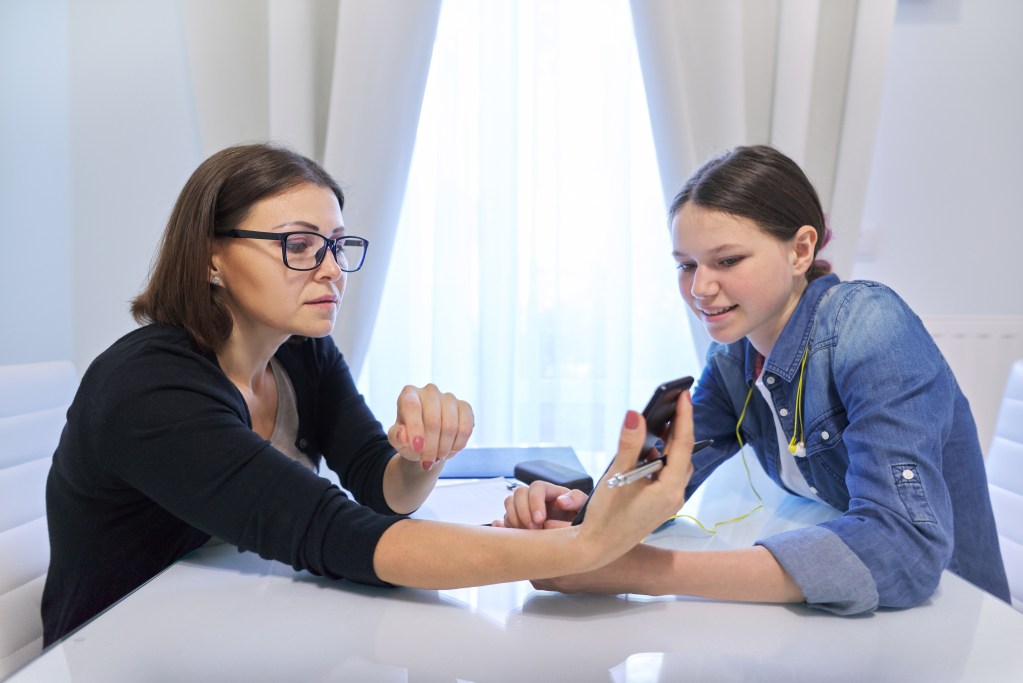
Treat app data as a conversation starter, not a diagnosis. Ask how the information was collected, what the patient noticed and whether tracking was helpful or burdensome.
Recommend digital tools selectively. A structured, evidence-informed intervention with appropriate privacy and escalation procedures is different from a product that makes broad claims without clinical support.
Set expectations before incorporating an app into care. Patients should know whether anyone is reviewing their entries, what happens if concerning information appears and which service they should contact when urgent help is needed.
Clinicians should also help shape the technology. The safest digital mental health products are built with input from professionals and people with lived experience, then evaluated in the settings where they will actually be used.
Access Still Depends on Who Is There to Answer
Good mental health apps do not distract from real care. If you use them responsibly, they can help you sooner, make symptoms easier to describe and extend support beyond the consulting room.
But every digital pathway eventually reaches a human decision: whether you are safe, what your symptoms mean, which treatment fits and who will remain responsible for your care.
Software can shorten the distance to help. It cannot become the workforce waiting at the other end.
Improving mental health access therefore depends on two forms of progress at once: better tools that help people take the first step, and many more trained professionals ready to meet them when they do.
Now stop scrolling and record your biggest takeaway in a place you can revisit easily!
