


Entrepreneur, Senior Leader & Ecosystem Builder with a degrees in Music, Psychology, Digital Mgmt & Transformation. Co-founder of the Music Factory and Earkick. Life-long learner with a deep passion for people, mental health and outdoor sports.

Have you noticed that your smartphone, once the coolest gadget you owned, now feels more like a digital ball and chain? You’re not alone. There’s a growing movement among young people who are getting tired of the constant pinging, scrolling, and screentime. Let’s dive into what this trend means for your mental health and how you can take steps to use technology in a way that supports rather than controls you.
#1 Maximum Screentime: From Cool to Uncool
Remember when getting your first smartphone was the best thing ever? Suddenly, you could do everything from chatting with friends to watching videos, all from a sleek device in your pocket. But over time, that excitement has turned into a feeling of being trapped. Many folks, especially younger ones, are starting to feel like their phones are more of a burden than a blessing, and screentime is eating away their lives.
#2 The Problem Isn’t the Phone, It’s the Incentives
It’s not necessarily the smartphone itself that’s the problem. It’s the incentives driving the apps and the way they are designed to keep you hooked. Think about the times you’ve lost hours just scrolling through TikTok, Snap, YouTube, or Instagram. These apps are built to keep you engaged for as long as possible because the more time you spend on them, the more money they make from ads. The real issue lies in the business models that prioritize screentime on these platforms, creating a loop that keeps you coming back for more.
Take Instagram as an example. You open the app to post a photo, but then you get sucked into checking out Stories, exploring the Discover page, and scrolling through your feed. Notifications about likes, comments, and new followers keep pulling you back in.
The app encourages you to keep engaging with content, not just because you want to, but because its design incentivizes you to spend more screentime on the platform. This maximizes ad revenue by keeping you hooked longer than you intended.
#3 The Dopamine Trap: What Keeps Us Hooked
Our phones can really mess with our brains, especially through social media. When you first check your phone, you get a rush of excitement, like when you find something cool or new. This is because your brain releases a chemical called dopamine, which makes you feel good. But the more you scroll, the less exciting it gets. It’s like eating too much candy—it’s fun at first, but then it’s not so great.
Social media apps, for example, are designed to keep you hooked, kind of like how gambling works. They show you interesting stuff sometimes, but mostly it’s just random and not that exciting. But you keep checking because you never know when you might find something really cool.
In the end, spending too much time on your phone can make you feel kind of obsessive, like you can’t stop checking even though it’s not that fun anymore. It’s like when a dog keeps digging for a bone even though it’s not there—it’s not healthy behavior. So, we better be mindful of how much screentime we spend and try to find a balance.
The Rise of Dumb Phones
In response to the growing frustration with screentime and phone addiction, you might have noticed a surge in the popularity of “dumb phones” – simple devices that only handle basic tasks like calls and texts. Imagine having a phone that doesn’t distract you with endless notifications but still keeps you connected. It can drastically reduce unnecessary screentime and phone usage. This radical approach could be perfect for you if you feel that it’s the only way to stay away from addictive algorithms and endless scrolling. By stripping away the features that suck up your time, dumb phones provide a clean break from the cycle of online addiction.
However, this isn’t your only solution. You can find success by working on your behavior and understanding what drives your high screentime. Becoming more resilient to the lure of addictive algorithms is possible by setting boundaries and being aware of your habits, triggers, and motivations. Try to become conscious of your media consumption and understand what drives your behavior when and why.
You can absolutely learn to use technology in a way that supports your well-being without needing to completely disconnect from the digital world. This balanced approach allows you to enjoy the benefits of technology while maintaining control over your screentime.
Mental Health And Screentime
Spending too much time on your phone can take a toll on your mental health. Recent studies have shown that excessive screentime is linked to higher levels of anxiety, feelings of loneliness depression, ADHD, stress and even obesity. If you’ve ever felt a sense of guilt or emptiness after a long session of scrolling, you’re experiencing this firsthand.
Imagine you just finished scrolling through Social Media for an hour. At first, it was fun to see what your friends or people you follow were up to. Then you catch up on memes and new trends. But after a while, you start to feel uneasy. You see everyone’s highlight reels and start comparing them to your own life. FOMO and that nagging feeling of not being good enough creeps in, and by the time you put your phone down, you feel more isolated and anxious than before. This is a common experience that highlights how too much screentime can negatively impact your mental well-being.
Tech for Good Exists
Not all apps are designed to send you down rabbit holes or show you as many ads as possible. Earkick, for example, harnesses the best technology offers while encouraging healthy habits and helping you improve mental health. Its real-time measurement of your mental health and real-time interventions via a personal AI chatbot for mental health is intended to empower you. It is designed to help you reconnect with the real world and break free from bad habits.
Another example, Zario, allows you to set up focus sessions for productive chunks of time without distraction. You have access to a wide range of challenges to replace mindless scrolling and break any vicious cycle. Over time you’ll get used to focusing on activities that truly matter to you.
Taking Action: How to Use Tech Wisely
So, what can you do to reclaim your time and improve your mental well-being? Here are some actionable steps:
- Set Screentime Limits: Regardless of whether you use an app, an old-fashioned alarm clock or pen and paper – start monitoring your current usage. Then establish realistic and achievable daily limits for screentime and stick to them.
- Embrace Digital Minimalism: Try switching to a simpler phone or use your current phone in a minimalistic way. Delete apps that waste your time and only keep the essentials to cut down on unnecessary screentime.
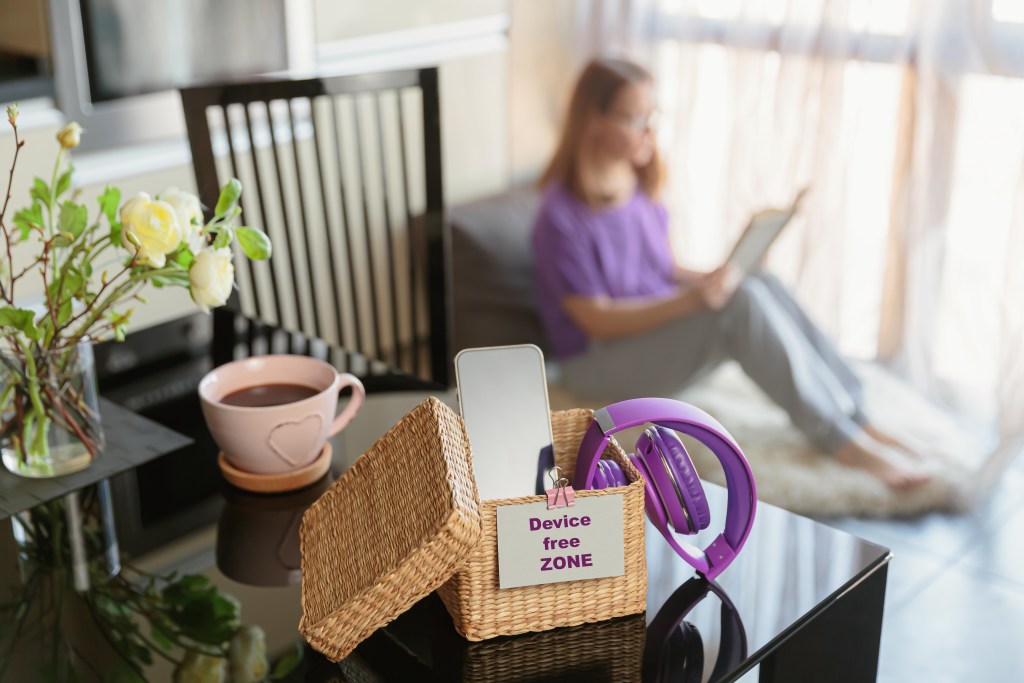
- Create Phone-Free Zones: Designate certain areas or times of the day as phone-free. For example, make your bedroom a no-phone zone to ensure you get a good night’s sleep. Get some help by seeking out a sparring partner who can keep you accountable and motivated.
- Engage in Real-Life Activities: Spend more time doing things that don’t involve screens. Hang out with friends in person, pick up a new hobby, or get outside and enjoy nature to reduce screentime. It does take a bit of time to switch habits, but the rewards you stand to gain are so much bigger than the screentime you give up. If a 14-year old student can do it, you can do it, too!
- Be Mindful of Media Consumption: Be aware of how much time you spend consuming media. Instead of binge-watching shows or endlessly scrolling, set aside specific times for these activities and stick to them, minimizing your overall screentime and claiming control over your life.
Join the Movement
By making these changes, you’re not just improving your own life; you’re also joining a growing movement of people who are redefining what it means to be cool. Just like smoking went from being seen as edgy to being considered uncool, excessive screentime is heading in the same direction. Celebrities are even getting on board, taking breaks from social media, cutting down on screentime to benefit their mental health, and showing that unplugged is the new cool.
As this movement grows, we can expect tech companies to adapt. Future devices might include features designed to help you use them less, not more. Imagine a phone or a gadget that does just one thing really well, like playing music or AI-powered mental health support, without all the distractions, thereby reducing your screentime.
Own Your Screentime, Own Your Life
Changing how you use technology isn’t about rejecting it altogether; it’s about finding a balance that works for you. By taking control of your screentime, you can enjoy the benefits of technology without letting it take over your life. So, are you ready to join the rebellion and take back your time?

Remember, the coolest thing you can do is to be present in the real world, enjoying life without constantly being tied to a screen. Let’s make smart tech use the new normal.
Now stop scrolling and make a plan to reduce screentime!
