

Entrepreneur, Senior Leader & Ecosystem Builder with a degrees in Music, Psychology, Digital Mgmt & Transformation. Co-founder of the Music Factory and Earkick. Life-long learner with a deep passion for people, mental health and outdoor sports.

Fast Facts
- Crystal and Tibetan singing bowls help reduce stress and depression, release emotions, improve sleep, and ease anxiety. The sound waves help sync brainwaves for a deep relaxation. It can also boost focus and creativity.
- Sound healing help calm the nervous system and lower stress levels.
- Singing bowls and gongs are used as tools for meditation and sound therapy.
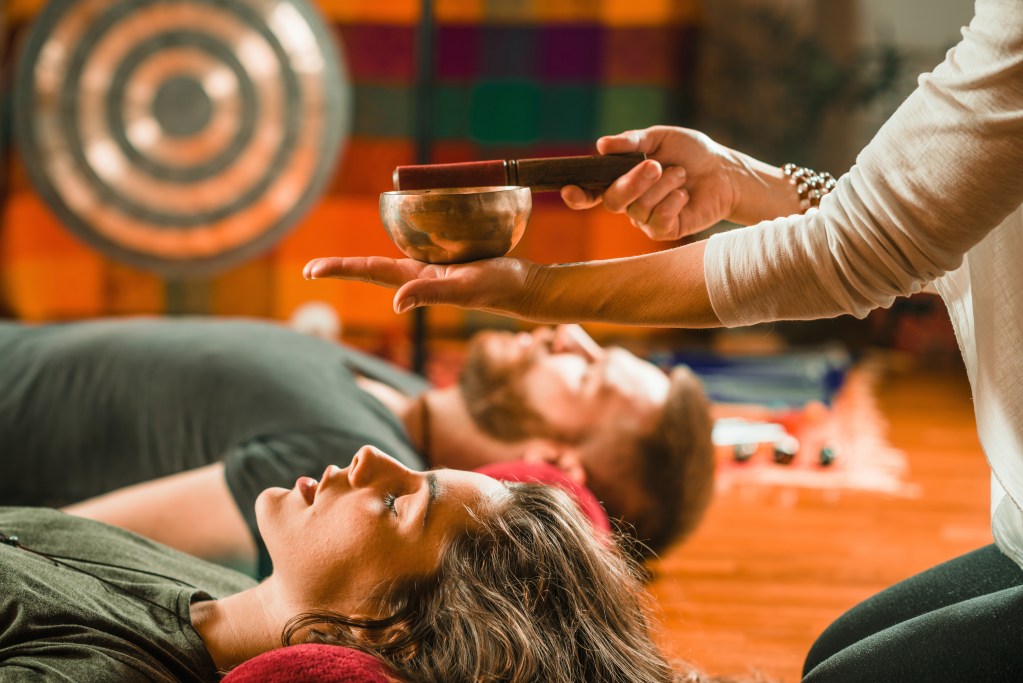
So, you finally decided to try sound healing. You lie down, close your eyes, and let the spiritual singing bowls for healing work their magic. The vibrations wash over you, filling the room with a deep, resonant hum. At first, it’s soothing—until suddenly, it’s not. Maybe you feel dizzy. Maybe an old, forgotten memory rushes back like an emotional freight train. Or maybe, for some reason, you just feel off. In moments like these, an AI therapist can help guide you back to a sense of balance.
But what is purpose of singing bowls? Sound healing is often marketed as a harmless way to relax and rebalance, but here’s the thing: not everyone reacts to it the same way. While some people leave a session feeling blissed out and refreshed, others walk away with headaches, nausea, or unexpected emotional turmoil.
Positive men’s mental health quotes can offer additional encouragement when navigating unexpected emotional responses during sound healing. Words like “Courage doesn’t always roar. Sometimes it’s the quiet voice at the end of the day saying, ‘I will try again tomorrow.’” remind us that emotional challenges are part of the healing journey.
So before you let those vibration bowls start singing, let’s also talk about the sound healing side effects and sound bath negative effects that nobody warns you about. Because yes, they exist—and no, they’re not just in your head.
What Is Sound Healing and What Are Singing Bowls Used For?
At its core, sound healing is about vibrations. Albert Einstein allegedly said
“Everything in life is vibration”
which is a fancy way of saying that nothing is ever truly still—not even you. Every atom in your body, every sound you hear, and even your thoughts are constantly moving at a microscopic level, creating unique frequencies that shape how you feel.
The idea is that certain frequencies can help the body and mind relax, rebalance, and even heal. Singing bowls, gongs, tuning forks, and even your own voice (chanting or humming) produce sounds that interact with your nervous system. They produce various sound healing side effects. If you want to learn more, a free AI chat can help instantly.
Benefits of singing bowls
Singing bowls help bring our chakras back into balance by clearing the energy blockages that can build up in daily life. In other words, they help calm your nervous system and heal. Science backs this up, too. Studies suggest that sound therapy can:
#1 Lower Stress and Cortisol Levels
Stress is a normal part of life, but when it becomes chronic, it can lead to serious health issues. Research shows that sound healing side effects can include a reduction of cortisol, the body’s primary stress hormone. In one study, participants who listened to calming sounds experienced lower heart rates and blood pressure, signaling a deep relaxation response. Tibetan singing bowls, in particular, are known to create vibrations that shift the nervous system out of a stress state and into a more restful one.
#2 Reduce Anxiety and Depression Symptoms
For those struggling with anxiety or depression, sound healing may offer a natural way to find relief. If you’re dealing with a more personal challenge, like how to stop overthinking after being cheated on, sound therapy might provide a pathway to emotional balance and clarity. Studies suggest that sessions involving Tibetan singing bowls can have sound healing side effects such as significantly reduced feelings of tension, worry, and sadness. Many people describe feeling lighter and more emotionally balanced after just one session. Unlike medication, sound healing doesn’t numb emotions but instead helps the brain enter a deeply meditative state, making it easier to process difficult feelings.
#3 Help with Sleep and Relaxation
Many people turn to sound healing when their minds just won’t shut off at night. The steady, repetitive tones of singing bowls and other sound therapy tools have sound healing side effects such as slowing brainwave activity, making it easier to drift into deep sleep. In sleep-deprived individuals, listening to certain frequencies before bed can help break the cycle of restless nights and groggy mornings.
Some therapists even use sound baths as a natural sleep aid for people with insomnia. But you don’t have to use special sounds in order to experience such sound healing side effects. Nature soundscapes and music already have a calming effect and help people fall asleep more easily.
#4 Improve Focus and Mental Clarity
In a world full of distractions, staying focused can feel impossible. Sound therapy, particularly binaural beats, has been found to help sharpen concentration and mental clarity by encouraging the brain to enter a more alert state. Some professionals and students use specific frequencies to enhance cognitive function and memory retention, making tasks feel less mentally draining. Certain frequencies are even believed to synchronize brain hemispheres, which can lead to faster problem-solving and improved creativity. Those sound healing side effects can be very positive depending on the situation.
#5 Relieve Pain for Some People
Pain, whether from chronic conditions like arthritis or post-surgical recovery, can be exhausting. Studies suggest that certain sound frequencies may help reduce muscle tension, improve circulation, and ease pain perception. Some people report sound healing side effects such as relief from headaches and migraines after a session, as the vibrations help relax tight muscles and calm overactive nerves. While it’s not a replacement for medical treatment, many use sound therapy as a complementary tool for pain management.
But just like how some people love deep-tissue massages and others find them unbearable, sound healing isn’t a universally pleasant experience. If your body isn’t a fan, it’s going to let you know. Loudly.
So, what is a sound bowl made of? What makes them sing?
What Are Tibetan Singing Bowls Made Of?
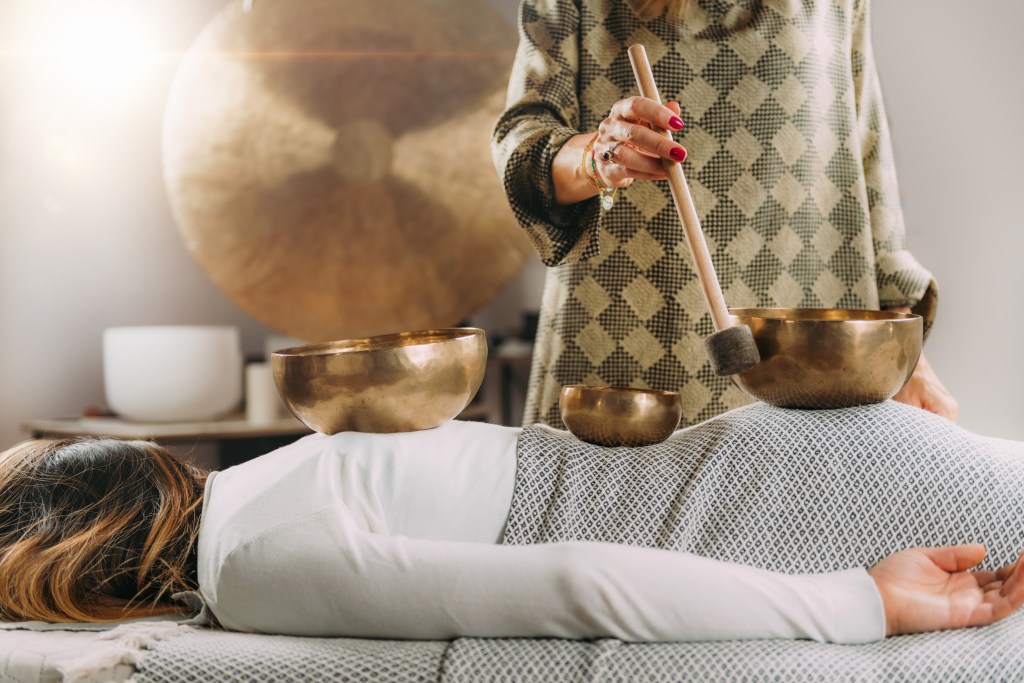
To better understand potential sound healing side effects of Tibetan singing bowls, let’s look at their materials. Also known as Himalayan singing bowls, they are used in Tibetan sound bowl therapy. Singing bowls are traditionally made from durable metals with bronze. An alloy of copper, tin, and zinc are the most common. Some versions use brass, or a mix of seven metals: copper, tin, zinc, iron, lead, gold, and silver.
Seven different metals are believed to represent a celestial body:
• Gold (Sun)
• Silver (Moon)
• Mercury (Mercury)
• Copper (Venus)
• Iron (Mars)
• Tin (Jupiter)
• Lead (Saturn)
This metal mixture gives Tibetan bowls their unique resonance and vibrational qualities. The idea is that each metal contributes to the bowl’s ability to produce healing sounds.
Crystal Singing Bowl Benefits
However, not all singing bowls are created equal. Modern versions, especially mass-produced ones, may not contain all seven metals and are often made primarily from brass. There are also crystal singing bowls, which are made from quartz and produce a clearer, higher-pitched tone compared to metal bowls. All these factors may contribute to the sound healing side effects.
Regardless of the material, what matters most is how the bowl sounds and how it makes you feel. The vibrations are what create the effects—whether beneficial or unsettling. So let’s take a closer look at the questions are sound baths dangerous? who is at risk and why?
Sound Healing Side Effects: What Can Go Wrong?
#6 Dizziness and Nausea—When Sound Throws You Off Balance
Ever felt wobbly after a sound bath? That’s because sound vibrations don’t just stop at your ears—they affect your whole body, including your inner ear, which is responsible for balance.
For some, the deep tones of a singing bowl can feel grounding. For others, it’s like standing on a rocking boat. If you’re prone to motion sickness or vertigo, sound healing can make you feel like you just stepped off a rollercoaster you didn’t even sign up for.
• Who’s at risk? People with motion sickness, Ménière’s disease, or a history of vertigo.
• How to avoid it? Start with softer tones and shorter sessions. If you feel dizzy, take a break and ground yourself (literally—lie down on the floor if needed).
#7 Sound Healing Headaches—When Good Vibrations Go Bad
You walk into a sound healing session expecting deep relaxation, but instead, you leave with a throbbing headache. What happened?
While sound healing is designed to calm the nervous system, too much stimulation can have the opposite effect. If the tones are particularly loud, high-pitched, or prolonged, they may cause tension rather than relief. The brain, especially in those sensitive to sound, can become overwhelmed by excessive auditory input, leading to headaches, eye strain, or general discomfort.
• Who’s at risk? People prone to migraines, those with heightened sound sensitivity, or anyone who experiences sensory overload easily.
• How to avoid it? Start with lower volumes and softer frequencies, and don’t be afraid to ask a practitioner to turn it down if it feels too intense.

#8 Trouble Sleeping After Sound Healing
Sound healing is supposed to help with sleep, right? So why are some people wide awake after a session? When relaxation overstys its welcome?
For many, the deep vibrations encourage restfulness, but for others, they leave the nervous system buzzing long after the session ends. If you’ve ever felt overly alert or restless after a sound bath, it could be a sign that your brainwaves were overstimulated rather than calmed. Some frequencies, especially those that are high-energy or rapid, may keep the mind too engaged instead of easing it into a sleep-ready state.
- Who’s at risk? Anyone who is highly sensitive to energy shifts, light sleepers, or those prone to feeling wired after meditation.
- How to avoid it? If sound healing keeps you up at night, schedule sessions earlier in the day, opt for lower-frequency tones, and give yourself time to wind down before bed.
Why Do Singing Bowls Give Me Anxiety?
Singing bowls are meant to relax the nervous system, but for some, they do the exact opposite. If you already feel on edge, the deep, resonant tones can intensify that sensation instead of calming it. The vibrations stimulate the vagus nerve, which regulates the body’s stress response, and if your system is already overwhelmed, the added stimulation can push it into overdrive. Instead of drifting into peaceful meditation, you might find your heart racing, your breathing shallow, or a sense of unease creeping in.
Another reason singing bowls might cause anxiety is sensory overload. Certain frequencies, especially high-pitched or prolonged sounds, can feel unsettling or even physically uncomfortable. If you’re someone who’s highly sensitive to sound, the experience may feel more agitating than soothing. In these cases, anxiety isn’t a sign that something is “wrong”—it’s simply your body’s way of saying, “This is too much right now.” If this happens, try starting with gentler tones or shorter sessions to see if your body can adjust over time.
Why Do Singing Bowls Make Me Cry?
One of the reported sound healing side effects are unexpected tears during a sound healing session. They can be confusing—especially if you weren’t feeling particularly emotional before. But there’s a reason for this. Sound vibrations don’t just affect your ears; they interact with your entire body, including areas where emotional stress is stored. Just like deep tissue massage can release physical tension, certain frequencies can unlock buried emotions, sometimes without warning.
For many people, unprocessed grief, sadness, or past experiences remain dormant until something—like sound therapy—shakes them loose. The vibrations reach deep into the nervous system, allowing emotions that have been held in for years to surface. This isn’t necessarily a bad thing. Crying is the body’s natural way of releasing emotional weight. If you find yourself unexpectedly tearing up during a session, it may be a sign that your body is letting go of something it no longer needs to hold onto. Rather than resisting it, allowing yourself to feel the emotions fully can be part of the healing process.
Should You Avoid Sound Healing Altogether?
Not necessarily! Most people can benefit from sound healing—but it’s important to know your own body and limits. If you’re pregnant or have serious PTSD or anxiety, it’s a good idea to talk to a health professional before using them.
Here’s how to make sure sound therapy and sound healing side effects works for you, not against you:
Start slow – Shorter sessions, lower volumes, softer tones
Jumping straight into a long, intense sound healing session can be overwhelming—especially if you’re sensitive to sound or prone to headaches. Instead of a full-hour sound bath with deep, resonant tones, try just five minutes with a single, gentle singing bowl and see how your body reacts before committing to longer or louder experiences.
If something feels off, stop
Some people feel immediate relaxation with singing bowls, while others experience dizziness, emotional discomfort, or even nausea. If you start feeling lightheaded or anxious mid-session, don’t push through it—take a break, step outside, or drink some water to ground yourself.
Don’t force it
Just because sound healing works wonders for your best friend doesn’t mean it will for you. Some people find the vibrations calming, while others feel overstimulated or even irritated. If it’s not helping or making you feel worse, there’s no shame in skipping it—there are plenty of other relaxation techniques out there.
Work with trained practitioners
A skilled sound healer will know how to modify frequencies, adjust volume levels, and choose specific tones to match your comfort level. If you’re sensitive to loud sounds or certain frequencies make you uneasy, let them know in advance so they can tailor the session to avoid discomfort.
Medical conditions? Epilepsy? Check with a doctor first
People with epilepsy, heart conditions, or metal implants (like pacemakers or screws) should avoid direct exposure to singing bowl vibrations, as they can potentially interfere with medical devices or trigger symptoms. If you’re unsure, ask your doctor whether sound therapy is safe for your specific condition.
But wait! What does the bible say about singing bowls?
Are Singing Bowls Christian? What Does The Bible Say About Singing Bowls?
Singing bowls have Buddhist and Hindu roots. These origins may be perceived as dangers of singing bowls for Christians. While some believe they contradict their faith, others view them as neutral tools for relaxation—similar to church bells.
The Bible doesn’t mention singing bowls, but it does reference sound in worship:
Exodus 28:33-35 – Golden bells were worn by priests.
Psalm 150:5 – “Praise Him with the clash of cymbals.”
If you’re unsure, reflect on why you want to use them. If one of the sound healing side effects includes bringing you peace without conflicting with your faith, it’s up to you to make that personal decision.
Sound Healing Side Effects: Listen to Your Body
Singing bowls might seem like the ultimate relaxation tool, but the reality is—they don’t work the same way for everyone. Maybe they leave you feeling lighter and deeply at peace, or maybe they stir up emotions, trigger headaches, or make you feel like you just got off a tilt-a-whirl. Both reactions are valid. Sound healing side effects aren’t necessarily a bad thing, but they are a reminder that your body responds to energy in its own unique way.
The real takeaway? Listen to yourself. If sound healing feels good, embrace it. If it makes you uneasy, that’s okay too—there are countless ways to relax and heal that don’t involve vibrating metal bowls. There’s no prize for forcing yourself to enjoy something that doesn’t sit right. Healing isn’t about following trends—it’s about finding what actually works for you.
Now stop scrolling and go try a short, gentle session—but keep the volume down!
Sources:
- Healthline. Dangers of Singing Bowls. https://www.healthline.com/health/dangers-of-singing-bowls.
- PubMed. National Library of Medicine. The human health effects of singing bowls: A systematic review. https://pubmed.ncbi.nlm.nih.gov/32507429/
