

Entrepreneur, Senior Leader & Ecosystem Builder with a degrees in Music, Psychology, Digital Mgmt & Transformation. Co-founder of the Music Factory and Earkick. Life-long learner with a deep passion for people, mental health and outdoor sports.


What Is a Panic Attack Hangover?
The panic is gone, but your body hasn’t caught up. That’s a panic attack hangover —the lingering effects that leave you feeling like you’ve been hit by something invisible. We’re talking weakness, brain fog, nausea, and extreme fatigue. And if you’ve found yourself googling “why do you feel so tired after an anxiety attack?” or “Is it normal to feel weird after a panic attack?” —you’ve got good reasons to do so. Ask your mental health chatbot:
Your body’s still recovering from the cortisol surge and the adrenaline crash that followed.
Extreme Fatigue After Panic Attacks?
Let’s take a second to appreciate your body’s sheer efforts. It mobilized every resource to survive something that felt like a threat, even if it wasn’t a lion in the grass, but a wave of fear in your chest. That effort is why you might feel sleepy after an anxiety attack, even if all you did was sit on the couch. The fatigue is the cost of mobilizing your whole system in full emergency mode. And no, the way you feel during a panic attack hangover isn’t a weakness on your side.
It’s called the post-anxiety crash—and it’s real. Your muscles feel rubbery, your brain’s on delay, and even small decisions feel heavy. These lingering effects of panic attacks can cost a lot of energy. You ran a mental marathon with no warm-up. So, of course, your system’s running on fumes.
And just like any other recovery, it takes time—and real rest—to feel like yourself again
Why You Feel So Tired, Sleepy, and Drained
Imagine your body like a phone that just spent hours in full brightness, GPS mode, hotspot on, camera running—while stuck on 1%. That’s what a panic attack does to your nervous system. It drains your battery from every angle, even if on the outside you “did nothing.”
During a panic surge, your body floods with stress chemicals like cortisol and adrenaline—designed to get you out of danger. Your heart races, your breathing quickens, your muscles tense. All of that burns serious energy. So when the wave passes, what’s left is an empty tank and a body that needs a recharge.
That’s why you may feel sleepy after an anxiety attack, or even dizzy and cold the next day. It’s biology, it’s your system downshifting after flooring the gas.
Panic Attack Hangover Symptoms
The day after a panic attack can feel like waking up with jet lag, after running a race you don’t remember signing up for. Your jaw might ache from clenching, your legs feel like jelly, and all you want is a nap that lasts until next week. Expect yawning, soreness, and even emotional whiplash that you may want to get off your chest by talking to AI right away.
How do you feel after a panic attack?
During panic attack hangover you may feel any combination of the following symptoms:
Physical symptoms:
- Muscle weakness or heaviness
- Shaking or trembling
- Dizziness or lightheadedness
- Nausea or upset stomach
- Headache or pressure in the head
- Rapid heartbeat (even hours later)
- Chest tightness or lingering chest pain
- Body chills or feeling cold
- Excessive yawning or sleepiness
- Dry mouth or dehydration
- Clammy skin or sweating
- Fatigue or exhaustion
- Appetite swings (either hungry after panic attack or no appetite)
- Sensitivity to noise or light
Cognitive and emotional symptoms:
- Brain fog after panic attack or trouble focusing
- Feeling disconnected from your body or surroundings (derealization/depersonalization)
- Irritability or emotional overwhelm
- Intrusive thoughts or mental replay of the panic attack
- Residual anxiety or fear of having another attack
- Trouble sleeping or restlessness
- Shame, guilt, or embarrassment
- Hyperawareness of physical sensations
- Difficulty making decisions
- Feeling emotionally raw or tearful
Can a Panic Attack Last For Days?
A panic attack might not last more than 10 to 30 minutes in its peak form, but the aftermath can drag on far longer. Think of it like a lightning strike—brief but powerful—followed by smoldering emotional debris that takes much longer to clear. While the actual surge of panic is short-lived, the impact can ripple through your body and brain for 2 to 5 days, especially if your sleep is disrupted, your nervous system is already taxed, or if you’ve experienced multiple attacks in a short span.
How long can a panic attack hangover last?
For some, the fog lifts within hours. For others, it lingers for days—tight chest, fatigue, brain fog, or even digestive issues showing up long after the panic subsides. The more overwhelmed your system, the longer the recalibration.
Alcohol & Anxiety: The Double-Hangover
An anxiety attack triggered by alcohol may look like bad luck, but it’s actually chemistry. Alcohol first boosts feel-good neurotransmitters like GABA, lulling your system into a false calm. But as it wears off, your brain overcorrects: GABA drops, cortisol spikes, and your nervous system hits the panic button. Then panic attack hangover is around the corner.

Does alcohol cause anxiety attacks the next morning?
The answer is: absolutely. It’s called “hangxiety” for a reason. Add dehydration, broken REM sleep, and the blurry memory of what you might’ve said to your ex at 1:43 a.m.—and suddenly you’re spiraling before breakfast.
Can you have a panic attack while drunk?
Yes! And it can feel even more disorienting because your body’s defenses are lowered, but your stress response still fires. Imagine you’re at a crowded bar, two drinks in, and out of nowhere your heart starts racing, hands go numb, and you’re convinced you’ll pass out—but you can’t tell if it’s the tequila, the crowd, or your brain imploding. Your body’s defenses are lowered, but your stress response is still on full alert.
Post-Panic Attack: Dealing With the Aftermath
Sure, the aftermath of a panic attack can feel random, but it’s not. Check out these body-and-brain resets that help you recover from panic attack hangover faster. They help you ground your nervous system, and get back to feeling like yourself.
Shorthand Coping List For Panic Attack Hangovers
#1 Rehydrate + electrolytes
Chug water with a pinch of salt or grab a hydration tab—your dizziness might just be dehydration in disguise. Think “hangover rules,” but for your nervous system.
#2 Protein breakfast
Skip the donut. Scramble some eggs or grab Greek yogurt with nuts. Stabilizing your blood sugar can curb that jittery, nauseous, “do I need to lie down or cry?” feeling.
#3 Gentle movement
No, you don’t need to hit the gym. Just walk around the block, stretch in your kitchen, or dance to one song. Moving helps flush out leftover adrenaline.
#4 Grounding breath
Breathe in for four, out for six. Repeat while staring at a lamp or feeling your feet on the floor. You’re telling your nervous system: “We’re safe now.”
#5 Screen dim-out
Lower brightness, use night mode, or—radical idea—look away from your phone entirely. Blue light keeps your brain in high-alert mode longer than it needs to.
#6 Power nap or early bed
If you feel cold, tired, or foggy, don’t fight it. Throw on a hoodie, crawl under a blanket, and give your system the recovery time it’s begging for.
#7 Body-scan journaling
Write in your journal or speak into your AI companion app: “My chest feels tight. My jaw aches. My brain is tired but won’t shut off.” Labeling symptoms helps your mind stop catastrophizing and start recalibrating. Also, you can revisit your entries anytime and learn from previous experiences.
#8 Progressive muscle drop-off
Start at your toes. Tense, hold, then release. Move upward—calves, thighs, hands, jaw. Progressive Muscle Relaxation (PMR) helps wring the tension out of your body, like squeezing water from a sponge. One body part at a time, you remind your system: nothing’s chasing us now.
#9 Change your scene
Your space can hold anxiety like static. Crack a window. Step outside. Rearrange your desk. Even small environmental shifts can signal safety to your brain and break the loop of lingering panic.
#10 Do something new (on purpose)
Novelty is your nervous system’s reset button. Try sketching, baking, poetry—anything that’s just left of your routine. It doesn’t have to be productive. It just has to be different. When your mind’s stuck in yesterday, doing something new brings you back to now.
How to Sleep After a Panic Attack
Sleep after a panic attack can feel like trying to nap after a car crash—your body’s still buzzing, even if your mind is begging for rest. The trick is to signal safety to your nervous system, not just silence when a panic attack hangover kicks in.
Start with your space: a cool, dark room helps reset your circadian rhythm, and a weighted blanket offers proprioceptive feedback—basically, deep-pressure input that calms the brain like a firm hug. A low-dose magnesium supplement or a guided breathing session in the Earkick app can gently ease your system out of hyperarousal without knocking you out unnaturally.
And if your brain keeps looping through the panic reel? Try voice-noting what’s playing on repeat. Putting the thoughts “out there” lowers cortical arousal (a fancy way of saying it calms your brain’s overactivity) and helps you feel less hijacked by your own mind.
Panic Attack Hangover Cure vs. Long-Term Recovery
There’s a difference between pulling yourself out of the fog and making sure you don’t end up there every week. A panic attack hangover cure is about stopping the spiral in the moment: hydration, food, rest, and grounding. But if you’re constantly asking yourself how to recover from a panic attack hangover, it’s time to zoom out.
Long-term recovery means rewiring your system. That’s where cognitive behavioral therapy (CBT), exposure work, and daily breath training come in. These approaches go beyond tools: they’re effective training for your nervous system.
Start tracking what sets off your panic, what helps, and what you do after. The more patterns you catch, the more power you get back.
FAQ Speed-Round
Why am I dizzy after a panic attack?
During a panic attack, you tend to breathe faster and shallower—a process called hyperventilation. This lowers carbon dioxide (CO₂) levels in your blood, which causes blood vessels in your brain to constrict. The result? Light-headedness, dizziness, or that “I might faint” feeling.
Why am I hungry after a panic attack?
After a high-stress event like a panic attack, your blood sugar drops as your body uses up glucose to fuel the fight-or-flight response. Then comes the cortisol rebound—your body trying to stabilize—often triggering hunger, especially for quick energy (aka carbs).
Is chest pain days after a panic attack normal?
If you’re feeling sore—not sharp—chest pain a day or two later, it’s likely muscle tension from holding your breath or tensing your chest wall during the attack. That said, new or worsening pain should always be checked out by a doctor, especially if you have any heart risk factors.
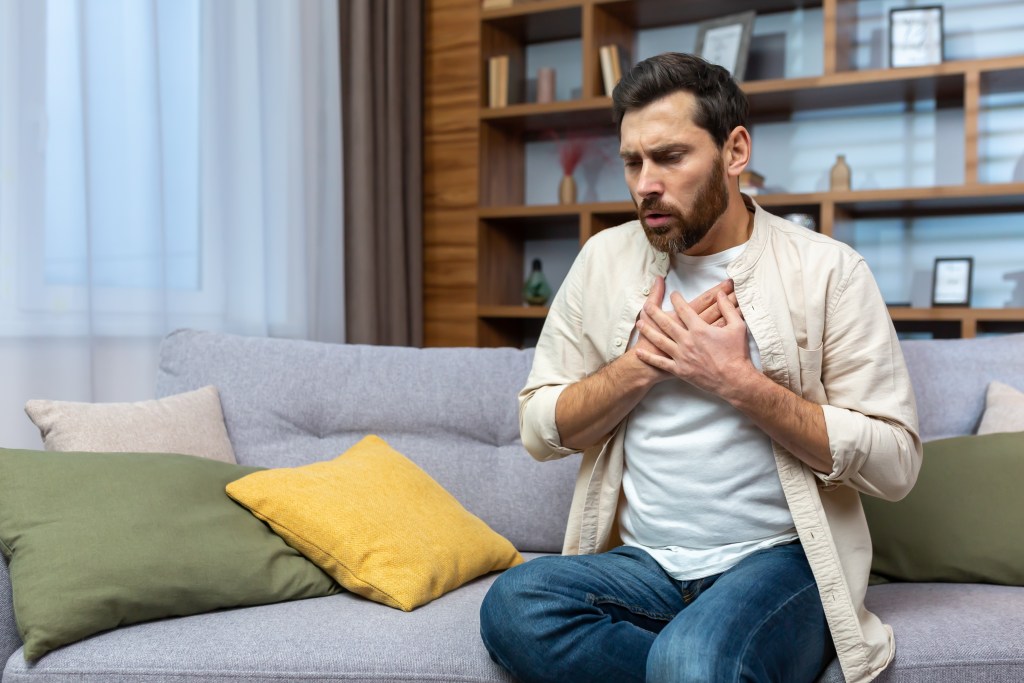
Brain fog after panic attack?
Yep, totally normal. Your brain’s prefrontal cortex—the part that helps you focus, plan, and make decisions—goes offline when stress hijacks your system. Post-panic, it needs time (and fuel) to reboot. Water, healthy fats (like omega-3s), and sleep help speed the process.
Why is my stomach a mess after a panic attack?
The gut’s not just about digestion—it’s deeply wired into your stress response. So when panic hits, your GI tract gets hit too. Bloating, cramps, or sudden trips to the bathroom? That’s your gut reacting to the cortisol flood. Your nervous system is doing its thing, and the gut is along for the ride.

Can panic attacks mess with other health issues I already have?
Yes—and not because you’re “too sensitive.” Panic attacks jack up your stress hormones, which can flare up chronic conditions like migraines, IBS, or even skin issues. If you’re noticing old symptoms flaring after an episode, it’s not random—it’s your body showing you where it’s most vulnerable when overloaded.
Your Chance To Listen
Some panic attacks roar. Others whisper, like silent panic attacks. But the following panic attack hangover always asks the same thing: pay attention. What you feel now isn’t weakness—it’s data. Your nervous system sent up a flare. Now’s your chance to listen.
Now stop scrolling and take a deep deep breath!
