

Entrepreneur, Senior Leader & Ecosystem Builder with a degrees in Music, Psychology, Digital Mgmt & Transformation. Co-founder of the Music Factory and Earkick. Life-long learner with a deep passion for people, mental health and outdoor sports.

Accessibility solutions in healthcare aren’t just a checkbox for compliance—they’re lifelines that transform entire journeys. Whether you’re managing anxiety, recovering from an injury, or just trying to keep up with everyday responsibilities, accessibility in healthcare impacts real people in real ways every single day.
For mental health in particular, where resources, stigma, and logistical barriers often prevent people from seeking help, accessibility can mean the difference between getting support and struggling in silence.

Let’s explore how accessibility solutions in healthcare make the support we deserve more approachable and how they can change lives. We’ll also discuss how you can advocate for yourself and others.
1. Accessibility Solutions in Physical Spaces
Imagine you’re a parent in a wheelchair rushing to take your child to a doctor’s appointment. You arrive at a clinic only to find that the ramp is blocked, the automatic door button is broken, and the reception desk is too high to reach without straining.
The impact of thoughtful design: At accessible clinics, you’d glide up a well-maintained ramp, press a working door button, and check in at a reception desk designed for all heights. That’s independence, dignity, and ease.
Extra touches that matter: Lower coat hooks, accessible bathrooms with grab bars, and wide hallways make navigating clinics less stressful—not just for wheelchair users but also for elderly patients and parents with strollers.
A young professional with a broken leg can still make it to therapy sessions on her own because the clinic has wheelchair-friendly elevators and parking close to the entrance. Accessibility removes obstacles so people can focus on healing, not logistics.
2. Communication for All Senses
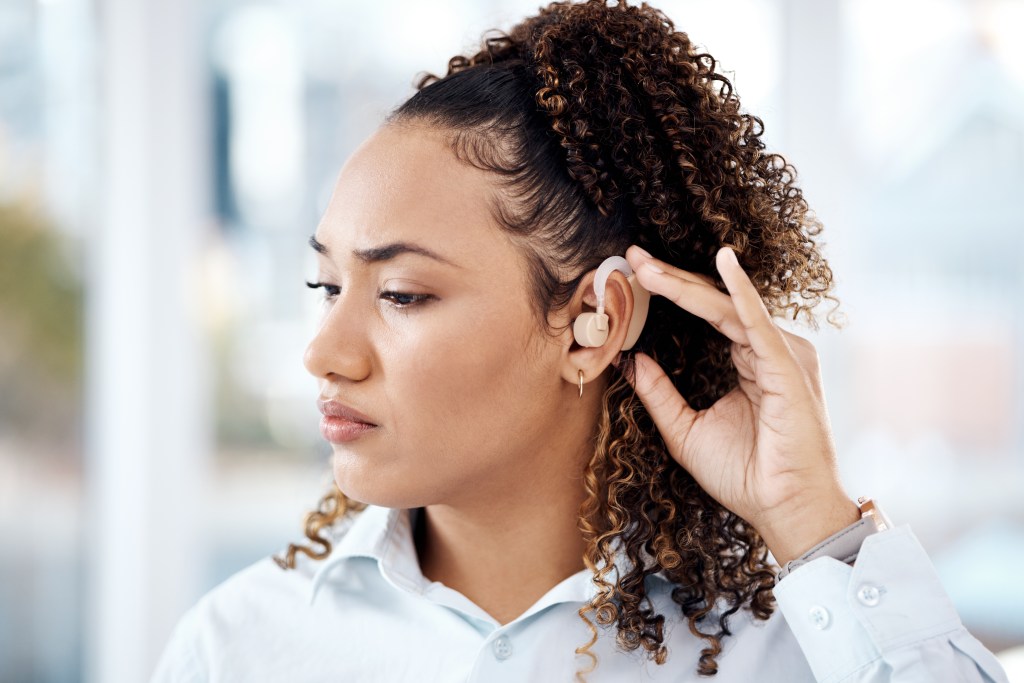
Picture this: You’re in a bustling hospital, but you have hearing loss. The receptionist calls your name, but you don’t hear it. The nurse gives instructions, but the background noise muffles her voice. You leave the appointment feeling confused and frustrated.
How accessibility helps: accessibility solutions like hearing loops allow patients to hear announcements in the clinic. Visual call screens eliminate guesswork, and interpreters or written instructions make medical advice easy to follow.
Braille and large-print materials: For visually impaired patients, clear braille signage and large-font pamphlets ensure they don’t feel lost or overlooked. These accessibility solutions are relatively easy to implement.
An elderly patient with partial hearing loss can confidently navigate her appointments because her clinic has a combination of visual call systems and staff trained to communicate clearly.
3. When Health Comes to You
Imagine you live in a rural area, miles away from the nearest clinic, and you’re juggling a demanding job and caring for an aging parent. The idea of driving three hours for a 20-minute appointment feels impossible.
Telemedicine makes it easier: Video calls and phone consultations bring healthcare to your living room. Need mental health support? Apps offering virtual therapy sessions, AI-powered mental health support, and CBT sessions make it easy to defuse the pressure cooker you’re in. It also means no more commutes or time off work. You can also explore local healthcare services that connect families to accessible providers in their communities.
Mobile clinics for deeper care: For in-person needs, mobile clinics can meet patients where they are, offering services like vaccinations, screenings, and even therapy sessions in underserved communities.
A truck driver battling panic attacks can use an AI mental health companion between shifts instead of taking unpaid leave to visit a therapist. Accessible solutions meet people where they are, physically and emotionally.
4. Financial Accessibility Solutions: Breaking Down Barriers
Think about a college student struggling with depression who avoids seeking therapy because of the high out-of-pocket costs. Or a gig worker who skips regular check-ups because they don’t have insurance.
Pressure points such as financial fear can make existing health issues worse and add avoidable stress to a patient journey.
Creative payment solutions: Some clinics now offer accessibility solutions such as installment plans or BNPL options for healthcare providers, helping patients afford necessary care without financial stress.
What’s changing: Clinics are increasingly collaborating with insurers and nonprofits to subsidize treatment for low-income patients.
A single mom with a specific phobia can finally attend therapy because her clinic offers a sliding-scale fee structure and flexible payment plans. Cost stops being a barrier to care, and she gets the support she needs to thrive.
5. Health That Speaks Your Language
Imagine being in a foreign country, sitting across from a doctor who is explaining your treatment plan—but you can’t understand a word they’re saying. You leave feeling helpless, unsure of what to do next. Here’s how accessibility solutions can make all the difference:
Breaking barriers with interpreters and apps: Many hospitals now offer live interpreters or apps that provide real-time translations of speech and text, ensuring critical information isn’t lost in translation.
Why it matters for mental health: Miscommunication in mental health care can be especially dangerous, leading to misdiagnoses or ineffective treatments.
A first-generation immigrant can comfortably share her mental health concerns because her therapist uses a translation app to ensure nothing gets lost in the conversation.
6. Accessibility Solutions for Mental Health
Imagine dealing with debilitating anxiety and calling a clinic for help, only to hear, “Our next available appointment is in three months.” For too many, this is the norm.
Flexible and fast care: Clinics that offer evening or weekend hours make it easier for working professionals or caregivers to attend appointments. Virtual options ensure people don’t have to wait for months to get help.
Staff training for inclusivity: Mental health professionals trained in trauma sensitivity, cultural competence, and empathy create safe spaces for all patients—whether they’re grappling with depression or PTSD.
A high school teacher with bipolar disorder feels safe sharing her struggles because her therapist is trained to understand mood disorders and approaches the session without judgment.
7. What You Can Do
Accessibility solutions don’t just happen – unfortunately. They are the result of voices demanding better care and leaders willing to listen. Here’s how you can make an impact and improve the rollout of accessibility solutions:
1. Speak up for your needs: If your clinic lacks an interpreter, an accessible entrance, flexible payment options, or digital mood tracker, ask for them. You have the right to accessible care.
2. Provide feedback: Let providers know what works—and what doesn’t. Constructive criticism can lead to lasting change.
3. Advocate for others: If you see gaps in accessibility for vulnerable populations, push for improvements. Everyone deserves a fair shot at good health. Everyone.
4. Leverage technology: Use telehealth platforms, AI companions, accessibility apps, or digital payment plans to reduce barriers. Once you start looking for accessibility solutions you are more likely to find them.
8. Accessibility Solutions Boost Mental Health
Accessibility solutions are not just about making physical spaces navigable or communication clearer—they’re about fostering equity in mental health care. They create opportunities for people to feel seen, heard, and supported in ways that meet them where they are. Here’s why they matter so deeply for mental health:
Reducing Barriers to Seek Help: Mental health struggles are often compounded by practical obstacles. A person with severe social anxiety might avoid seeking therapy if the clinic is in a chaotic, crowded space. Someone living with depression may lack the energy to navigate an inaccessible healthcare system. Accessibility solutions such as virtual therapy, quiet waiting areas, and streamlined appointment systems create entry points for those who might otherwise give up.
Imagine a young adult battling social anxiety can schedule a video therapy session from the comfort of their room, sidestepping the overwhelming challenge of traveling to a busy clinic.
Addressing Stigma and Encouraging Early Intervention: Mental health stigma thrives when people feel isolated or unsupported. Accessibility solutions normalize the idea that mental health care is for everyone by making it visible and readily available. Clinics that offer trauma-informed care, digital companions for the time between sessions, or culturally competent therapists send a powerful message:
You’re welcome here, and we’re ready to help.
A Black mother navigating postpartum depression connects with a culturally competent therapist who understands the nuances of her experience, thanks to a clinic that prioritizes diverse representation in its mental health staff.
Why It All Matters
Accessibility isn’t just a checkbox or policy—it’s a lifeline. It’s the reason someone with depression feels safe enough to seek help. It’s why a parent in a wheelchair doesn’t have to rely on someone else to navigate the clinic. It’s the difference between surviving and thriving.
With the right accessibility solutions in healthcare, people can focus on healing—not on overcoming unnecessary obstacles.
Now stop scrolling and start advocating for the changes we all deserve!
